

Develop a fragrance around your product, target market and purchasing requirements. AromaLeap helps brands and product teams define a scent brief, review samples and plan the approved fragrance for bulk supply.
For brand owners, importers, distributors and product manufacturers.
A promising scent is the starting point. Your team also needs a defined application, identifiable samples and a clear basis for approval and repeat orders.
Discuss custom fragrance oil for candles, diffuser products, soap, cleaning products or another specified application. Share the base or scenting system, the character you want and the commercial scope already known.
AromaLeap is a China-based manufacturer. For an existing scent range or broader bulk-supply enquiry, explore our fragrance oil manufacturing and supply options.

Start with fragrance development. If your brief also includes a finished perfume, identify the packaging and component work as an additional project scope.
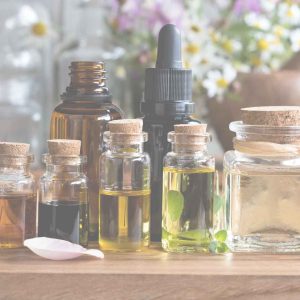
Describe the fragrance family, preferred notes, reference and changes you want to explore.
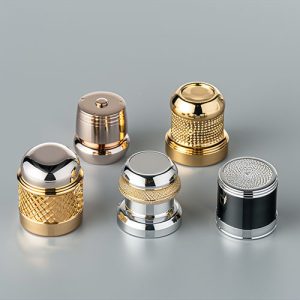
For a finished-perfume brief, specify closure appearance, material preferences and component-fit requirements.
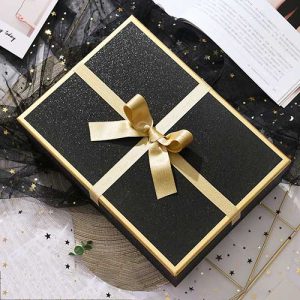
Share the pack format, artwork and presentation requirements. Confirm available materials and finishing options for the order.
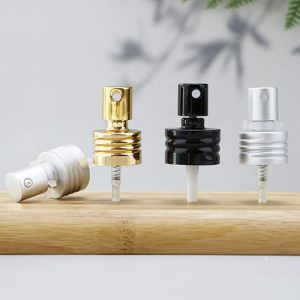
If a spray product is included, identify the bottle, dispensing requirements and component evaluation needed.
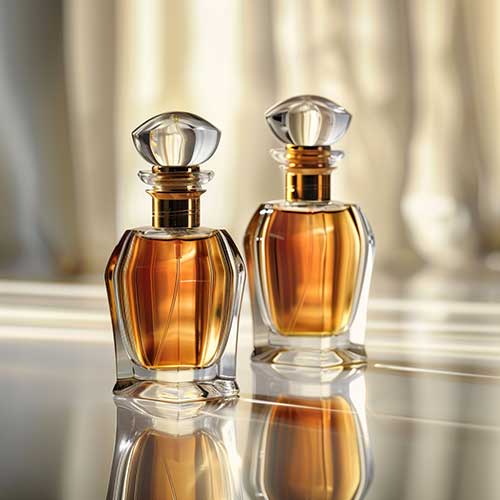
Discuss a bottle reference and desired presentation separately from approval of the fragrance itself.

Provide your logo and packaging brief so label, print and artwork requirements can be reviewed.

Give procurement and product teams a shared record of the brief, sample feedback and agreed supply details.
Identify the application, base or system, target market and scent direction. Add a reference and explain the changes you want.
Confirm the proposal, sample terms, development charges if applicable, expected stages and purchasing assumptions before work proceeds.
Keep each sample code with its version. Have your product team evaluate it in the actual base or application under defined conditions.
Explain what to retain or adjust and at which evaluation stage. Record changes so the next comparison has a clear purpose.
Record the approved reference, intended use, relevant information, quantity and packaging. Agree confidentiality, exclusivity or formula rights where required.
Confirm the current production estimate, delivery terms and order specification. Keep the approved reference available for future purchasing.
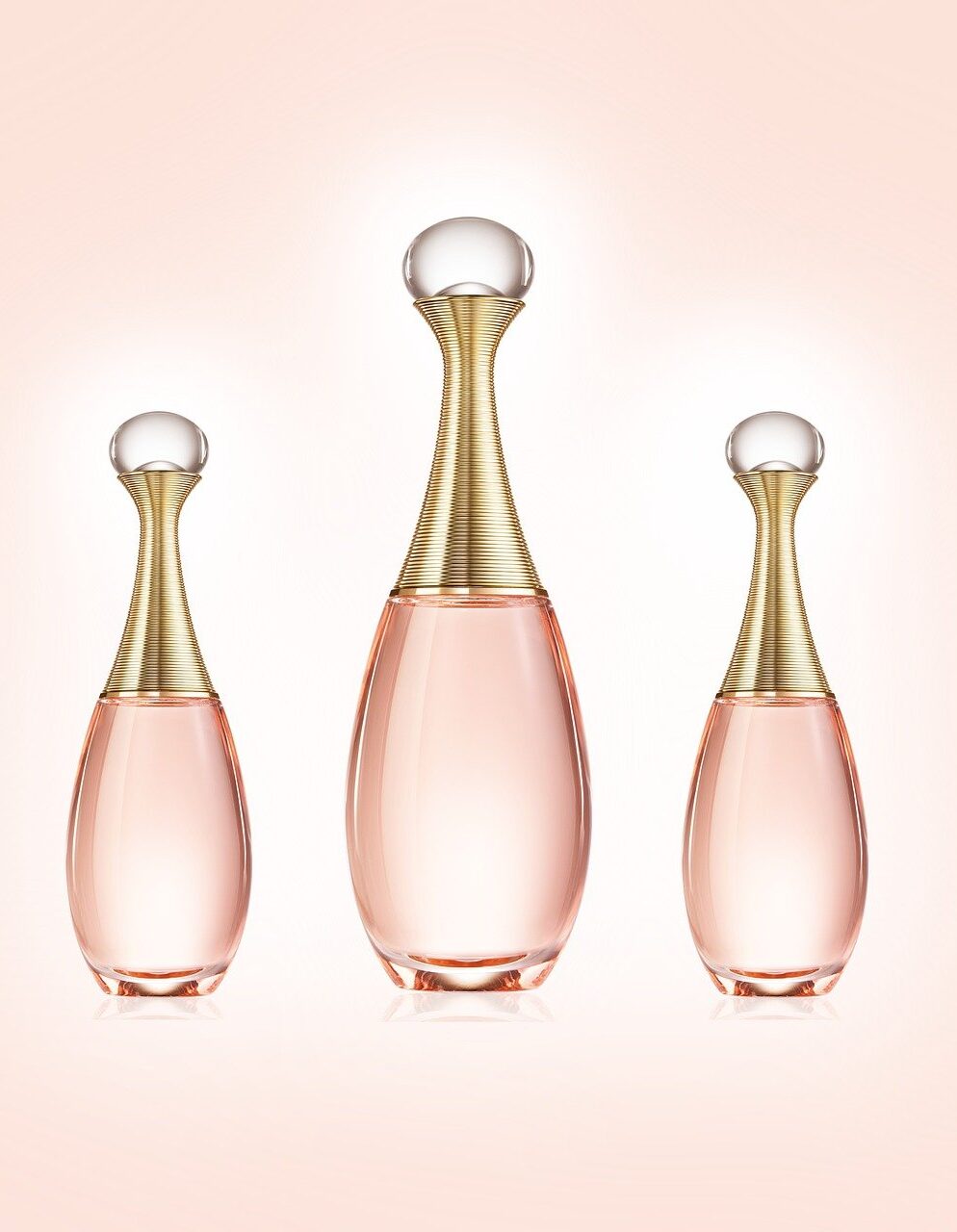
Send the details already available. A product description and scent direction are enough to begin the discussion; open questions can be identified together.
| Brief area | Useful information |
|---|---|
| Product and application | Finished-product type, base or scenting system, intended use and target market. |
| Scent direction | Preferred family or notes, a reference if available, and the impression to retain or change. |
| Evaluation priorities | The relevant scent stage, appearance targets and product requirements your team needs to assess. |
| Commercial plan | Estimated initial and repeat quantities, purchasing units and any target cost or timing available. |
| Supply and packaging | Bulk fragrance liquid, private-label presentation or a separate finished-perfume project; destination and pack requirements. |
| Information to confirm | Requested documents, sample terms, development fees if any, MOQ, schedule, payment terms and confidentiality or exclusivity requirements. |
Before approving bulk supply, ask which specifications, intended-use information and batch checks can be provided for the selected fragrance. A scent name or packaging photo does not establish composition, compatibility or document availability.
Use the relevant supply route when the finished product is already defined.
Connect the custom scent brief with your wax, candle format and finished-candle evaluation.
Explore candle fragrance supply →Identify reed diffusers or the exact scenting system before selecting a liquid and planning samples.
Explore diffuser oil supply →Share the soap process or cleansing base and define the observations needed during sample review.
Explore soap fragrance oils →Include the cleaner or detergent type, base information and the scent stage your team wants to assess.
Discuss a cleaning-fragrance brief →Preparing application-specific samples? Use our guides to choosing fragrance oils for soap and choosing fragrance for cleaning products to organize the brief and feedback.

Discuss the product, preferred scent direction and the differences you want to explore. A reference helps communicate the brief; the sample proposal and agreed approval criteria define the development work.
Discuss the shared scent direction, then review each finished-product base and intended use separately. Approval in a candle does not establish suitability in soap, a cleaner or a diffuser system.
Request the current terms for your proposed fragrance, quantity, sample work and packaging. Development stages, production scheduling and transport are separate parts of the timeline; confirm them before committing to a launch date.
Discuss samples for the intended application. Confirm sample availability, charges if applicable, delivery arrangements and the evaluation information needed before proceeding.
State any exclusivity, confidentiality or formula-rights requirements at the brief stage. Scope, duration, territories and related commercial terms need written agreement; a custom sample alone does not define those rights.
Share the requested container, label, artwork and order format. Confirm the available options and quantities for the selected order. For a complete bottled perfume, use the separate custom perfume service to discuss the finished-product scope.
Tell us the product, scent direction, estimated quantity and destination. Add your base information, packaging or document requirements if available so the sample and quotation discussion can focus on your project.
Sample arrangements, development terms, MOQ and timing are confirmed for the selected project.