

Identify the finished product and base, define which scent stage matters, review the selected fragrance’s information and compare samples in the actual formulation. Record appearance, physical behavior and scent separately before approving the supply reference.
Name the Cleaner and Its Intended Use
Begin with the finished-product type: dishwashing liquid, hard-surface cleaner, floor cleaner, laundry detergent or another defined product. A broad “fresh fragrance” request does not tell the supplier which formulation or use conditions matter.
Identify the base, product format and any formulation constraints already known to your team. Share a concise summary first; detailed formula information can follow through the appropriate project discussion.
For bulk fragrance enquiries, review AromaLeap’s wider fragrance oil supply and send your cleaning-product brief. For skin-cleansing bar soap or hand wash, use the separate soap fragrance application page.
Define the Scent at the Stage That Matters
Describe the character you want in plain terms: citrus-inspired, green, fresh, floral or a defined brand direction. Add a reference if available and explain the impression you prefer to change.
Name the evaluation stage. The smell of the concentrate, the fragrance during intended use and a later-use observation answer different questions. Laundry and surface-cleaning projects may need different comparison conditions.
Define fragrance preference and finished-product performance as separate requirements. A citrus, floral or “fresh” scent description does not establish a cleaning or disinfecting result.

Turn the Base Information Into a Useful Sample Brief
| Information, if available | Why it helps the discussion |
|---|---|
| Finished-product type and format | Identifies the actual application |
| Base or formulation reference | Links the sample to the product being developed |
| Relevant acidity/alkalinity (pH) or ingredient-system information | Helps the formulation discussion focus on actual conditions |
| Appearance target | Clarifies whether clarity, color or another visible feature matters |
| Manufacturing constraints | Identifies the process your team intends to use |
| Packaging and destination | Connects sample approval to the purchasing brief |
| Scent stage and reference | Identifies whether the brief concerns in-pack scent, the intended use stage or another defined comparison point. |
Share the information already available and identify what still needs review. Your formulation team can then define the sample proposal, trial method and approval criteria for that base.
Compare Identifiable Samples Under Consistent Conditions
Assign a trial ID to each fragrance sample and record the material name or code. Link it to the base, preparation record and evaluation schedule. Use consistent conditions for comparisons and note every relevant difference.
Have the formulator establish the preparation method, working level and any necessary formulation review. Record the amount used and its calculation basis so the comparison can be repeated and understood.
If the product base, ingredients, packaging or intended use changes, review the sample plan again. Set compatibility, appearance and stability criteria for the actual product under the conditions your team has defined.

Record Appearance, Behavior and Scent Separately
| Observation | Useful record |
|---|---|
| Appearance | Clarity, color and visible changes at the agreed evaluation points |
| Physical behavior | Separation or other behavior relevant to the formulation |
| Scent character | Preferred notes, unwanted changes and comparison with the brief |
| Scent intensity | The defined stage and consistent evaluation conditions |
| Intended-use result | What was assessed and which product-use conditions were used |
| Decision | Approve, revise, reject or request the next controlled comparison |
Use these fields to organize feedback alongside your product team’s validation plan. Agree the review conditions and acceptance criteria for the actual formulation before comparing outcomes.
Confirm the Information for the Selected Material
Ask which specification, safety data, conformity information or batch records can be supplied for the selected fragrance and intended application. Confirm document scope and availability before approving the order. See IFRA’s guidance on intended-use conformity where relevant.
An IFRA Certificate of Conformity concerns the stated intended use and does not replace a safety assessment. Keep the fragrance’s document reference with the formulation and product-approval records.
Confirm the selected fragrance, quantity, container, label requirements, schedule and delivery terms in the quotation. Preserve the approved references for repeat purchasing and review relevant changes before the next order.
Send Feedback and a Comparable Purchasing Brief
- Fragrance reference and your sample/trial ID
- Finished-product type and base or formula version
- Preparation record, working-level basis and evaluation conditions
- Separate observations for appearance, physical behavior and fragrance
- Requested scent adjustment, further trial or approval decision
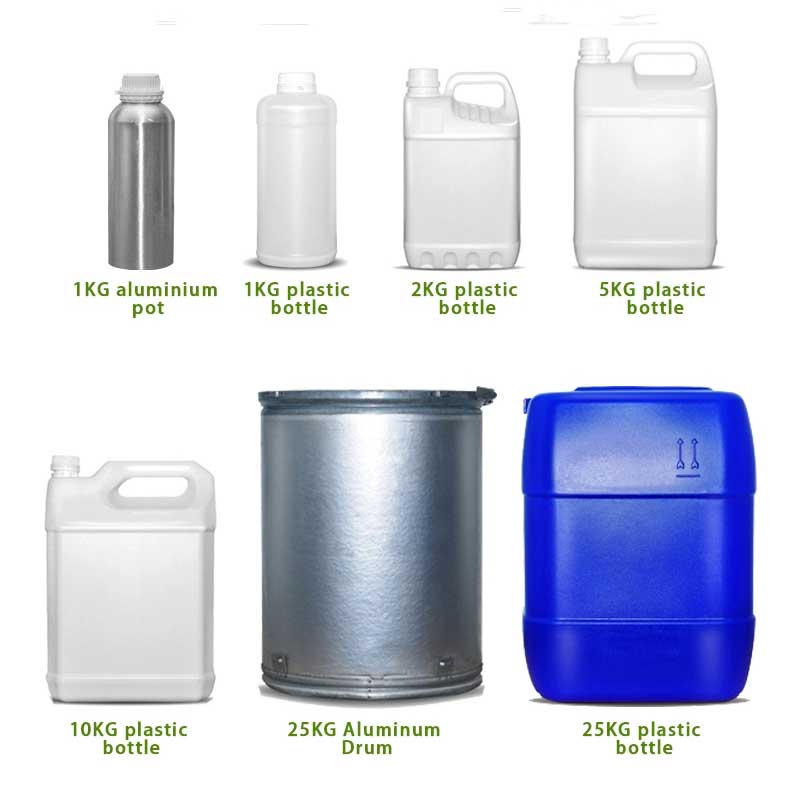
- Estimated quantity, destination and packaging requirements

Keep the approved fragrance reference and trial result with the order file. Compare quotations using the same quantity, units, packaging, customization and delivery scope. Request MOQ, timing, payment terms and available documents for the selected order.
For a signature direction across several products, discuss custom fragrance development, while evaluating each finished-product application separately.
Can the same fragrance work in every cleaning product?
Review the exact fragrance against each product base and intended use. Approval in one cleaner or detergent does not automatically cover another formulation.
Is an evaluation result from another cleaner enough?
Use it as background information, then confirm what review is needed for the actual base, process, packaging and use conditions of your product.
Does an IFRA document replace finished-product assessment?
Review the scope for the exact fragrance and intended use. An IFRA Certificate of Conformity does not replace a safety assessment or evaluation of the actual finished formulation.
Does a citrus fragrance show that a product cleans better?
A scent describes the fragrance experience. Evaluate fragrance and cleaning performance as separate product requirements.