Aroma Diffuser Quality Control and Factory Testing

How We Control Aroma Diffuser Quality

A diffuser can look perfect in a sample room and still fail after regular use. Unusual noise, weak mist, oil leakage, unstable buttons, damaged finishes, or crushed packaging usually appear after shipment—when fixing the problem becomes slow and expensive.

For wholesale buyers, quality control is therefore not one final check before loading the cartons. It begins with the approved sample and product specification, continues through material inspection and assembly, and finishes with functional and packaging tests before shipment.

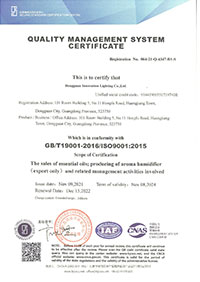
At AromaLeap, our aroma diffuser production is managed under an ISO 9001 quality-management system. The inspection requirements may vary by model, order quantity, customization, target market, and intended application.

Before production begins, buyers should confirm the model, materials, colour, capacity, functions, power specification, accessories, logo method, packaging, and required compliance documents in writing. The approved sample then becomes the reference for mass production.

Buyers reviewing standard models can explore our wholesale aroma diffuser range. Projects requiring custom colours, branding, packaging, functions, or housings can use our custom diffuser development service.

Aroma Diffuser Testing Protocol

Different diffuser models have different components and operating requirements, so the final test plan should match the actual product. Below are several of the checks used to identify functional, material, and transport-related problems before a wholesale order is released.

Testing is most useful when the acceptance standard is agreed before production. For custom or private-label orders, buyers can also discuss model-specific requirements such as mist output, noise, oil consumption, timer accuracy, app control, battery performance, logo durability, or packaging strength.

Sound Test

A diffuser may be used beside a bed, on a desk, in a treatment room, or in a hotel guest room. Even a small mechanical rattle can therefore become a customer complaint.

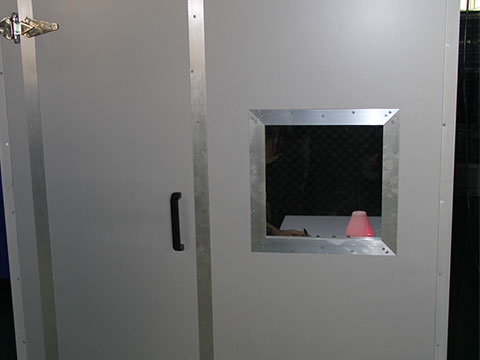
During the sound test, the unit is checked for abnormal motor noise, vibration, rattling, and other operating sounds. Under our current protocol, a reading above 30 dBA is flagged for investigation and correction.

High- and Low-Temperature Operation Test

Diffusers may be stored or operated in very different environments depending on the destination market. Temperature testing helps identify problems that may not appear under comfortable showroom conditions.

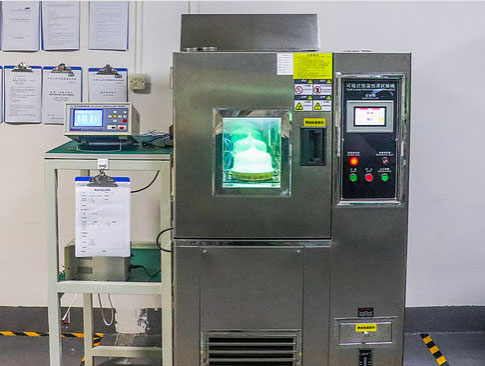
Under the current test protocol, selected diffusers are operated at 5°C and 40°C for four hours. The unit is then checked for normal operation, leakage, unstable mist output, unusual noise, control failure, or visible material changes.

Salt-Spray Corrosion Test

Metal components and decorative finishes may be exposed to humidity during shipping, storage, or daily use. The salt-spray test helps evaluate whether relevant parts are likely to show premature corrosion or rust.

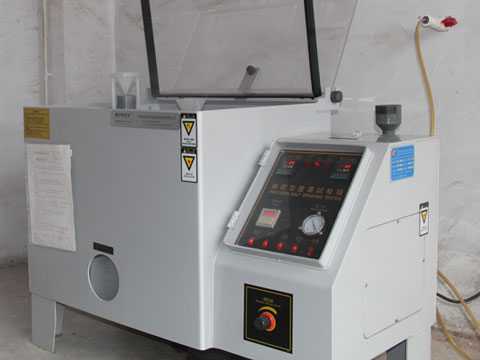
Under the current protocol, applicable components undergo a 72-hour salt-spray test using a 5% salt solution. After testing, the parts are inspected for rust, surface damage, discolouration, and deterioration of the finish.

Aging Test

A short start-up check cannot reveal every assembly or component problem. Aging tests allow the diffuser to operate continuously so that intermittent faults have more time to appear.

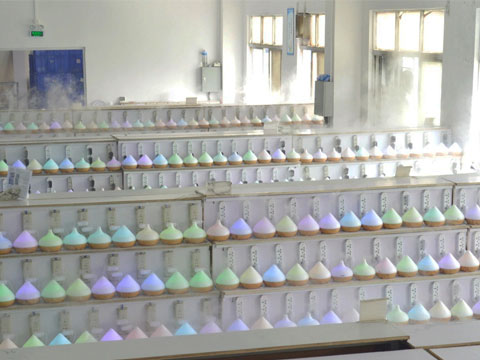
After production, selected units are operated continuously for three hours at room temperature with a full tank. The quality-control team checks mist performance, water or oil leakage, noise, heat, controls, lighting, automatic shut-off, and other functions relevant to the model.

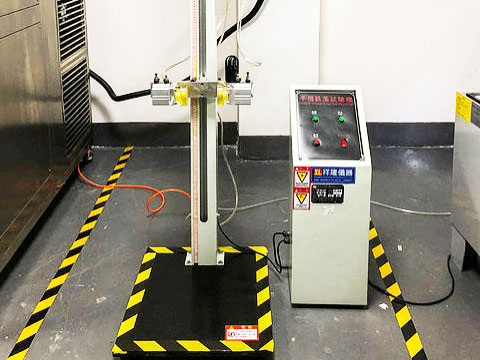
Packaging Drop Test

A diffuser can pass every factory function test and still reach the customer with a cracked cover or damaged gift box. Packaging must therefore protect both the device and its retail presentation.

Packaged units are drop-tested from the applicable ISTA 1A test heights on selected faces, edges, and corners. After the test, the carton, inner protection, diffuser body, accessories, and product functions are inspected again.

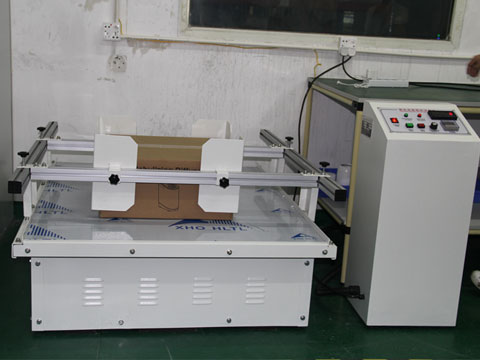
Packaging Vibration Test

Cartons experience repeated movement during truck, air, sea, and courier transportation. A vibration test helps reveal loose accessories, inadequate inner protection, surface rubbing, and packaging movement before the order leaves the factory.

Under the current protocol, packaged diffusers are vibration-tested for one hour at 240 cycles per minute. The packaging and product are then checked for movement, scratches, breakage, loose components, and loss of function.

Quality Control From Components to Finished Cartons

Quality Control From Components to Finished Cartons

Final inspection matters, but it cannot correct every problem created earlier in production. A dependable quality plan checks the order at several stages rather than waiting until the cartons are sealed.

Incoming Material Inspection

Relevant materials and components should be checked before assembly. Depending on the model, this may include housings, tanks, ceramic or glass parts, electronic boards, atomizers, pumps, fans, cables, adapters, batteries, seals, and packaging materials.

In-Process Inspection

During assembly, inspectors look for problems such as incorrect wiring, poor fitting, visible gaps, unstable buttons, loose components, cosmetic defects, logo-position errors, or differences from the approved sample.

Functional Inspection

The required functions depend on the diffuser model. Checks may include power, mist or atomization, timer settings, lighting, displays, app or remote control, automatic shut-off, oil or water leakage, noise, and operating stability.

Final Appearance and Packaging Inspection

Before packing, units should be checked for colour consistency, scratches, fingerprints, gaps, printing quality, logo position, accessories, instruction manuals, labels, and barcodes. Packed cartons are then checked against the approved packaging specification.

Buyer tip: Keep one approved sample and a signed product specification. Photographs and catalogue descriptions are helpful, but they are not precise enough to control a repeat production order.


Before Mass Production

What Buyers Should Approve Before Mass Production

The most effective quality-control conversation happens before the deposit is paid. Once production is underway, unclear specifications become expensive to change.

Before approving a wholesale or OEM order, confirm the following details in writing:

  • Product model and approved reference sample
  • Housing, tank, decorative, and internal materials
  • Colour standard and surface finish
  • Capacity, coverage, power, plug, voltage, and charging requirements
  • Mist, atomization, timer, lighting, sound, display, or app functions
  • Logo size, location, colour, and application method
  • Accessories and spare parts included with each unit
  • Retail box, inner protection, manuals, labels, and barcodes
  • Inspection method and agreed acceptance criteria
  • Required test reports and destination-market documents
  • Sample approval, production lead time, and shipment date
  • Procedure for confirmed defects and replacement parts

For waterless and commercial scenting projects, buyers should also confirm fragrance compatibility, oil consumption, coverage, programming, pump performance, maintenance, and refill access. See our waterless diffuser solutions for available commercial options.

Compliance

Product testing and market compliance are related, but they are not the same thing. ISO 9001 applies to the quality-management system, while product reports and declarations may relate to electrical safety, electromagnetic compatibility, restricted substances, batteries, or other market requirements.

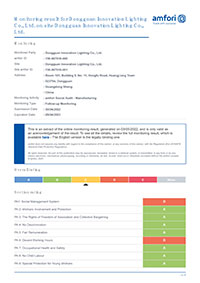
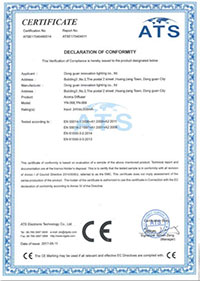
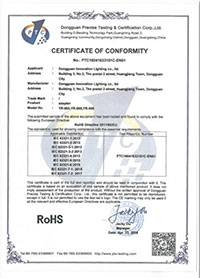
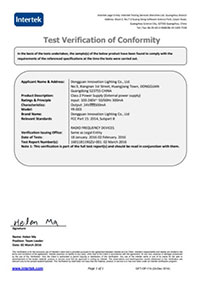
Available documents may include ISO 9001, BSCI, CE-related documentation, RoHS, and FCC reports or declarations. The exact requirements depend on the diffuser model, power supply, wireless functions, battery configuration, and destination country.

Before placing an order, ask us to confirm which documents are available for the exact model and configuration you plan to purchase. A certificate from a similar-looking product should not automatically be treated as evidence for another model.

ISO 9001:2015
BSCI
CE
ROHS
FCC

Buyer Questions

Aroma Diffuser Quality Control FAQ

Clear answers to the questions buyers often ask before approving samples, customization, and mass production.

Can I inspect a diffuser sample before placing a bulk order?

Yes. We recommend checking the product appearance, operating performance, accessories, packaging, and available documents before mass production. Custom colours, logos, packaging, or functions may require a separate pre-production sample.

How do you control consistency between the approved sample and mass production?

The approved sample should be supported by a written specification covering materials, colour, capacity, functions, accessories, branding, and packaging. Production units can then be checked against both the specification and the retained reference sample.

Can you provide a pre-shipment inspection report?

Inspection requirements can be agreed when the order is confirmed. Depending on the project, buyers may request internal inspection records, photographs, videos, model-specific test information, or a third-party pre-shipment inspection.

Which certificates and compliance documents are available?

Available documents depend on the exact model, power supply, wireless functions, battery configuration, and destination market. Share your target country and compliance requirements during the quotation stage so the correct product documentation can be reviewed.

How are defective products handled?

Warranty and replacement terms should be agreed before production. When an issue is reported, the model, batch information, affected quantity, photographs, videos, and fault description help the technical team identify the cause and recommend an appropriate solution.

Can the quality-control plan be customized for my order?

For qualifying OEM and ODM projects, buyers can discuss additional functional checks, packaging tests, logo-durability tests, acceptance criteria, or third-party inspection requirements before the order is confirmed.

Start Your Diffuser Project

Request a Diffuser Sample, Quality Checklist, or Wholesale Quote

Tell us your target market, preferred diffuser type, estimated quantity, required functions, branding, packaging, and compliance needs. Our team will help you review suitable models, sampling, customization, inspection requirements, production time, and wholesale pricing.

Sample Evaluation
OEM & Private Label
Quality Requirements
Compliance Review
Discuss Your Project

Email: info@aromaleap.com

We'd like to hear from you

 Feel free to reach out with any queries or to request a quote. Our specialists will respond within 2 hours, assisting you in choosing the perfect product to meet your needs

Send us a Message