Wholesale · OEM · Private Label

Nebulizing Diffuser Manufacturer for Wholesale & Private Label

Source classic glass nebulizing diffusers and selected enclosed two-fluid models with practical support for model selection, oil compatibility, branding, packaging, quality control and export preparation.

Model-Specific Oil Evaluation OEM & Private Label Packaging Export and Document Coordination
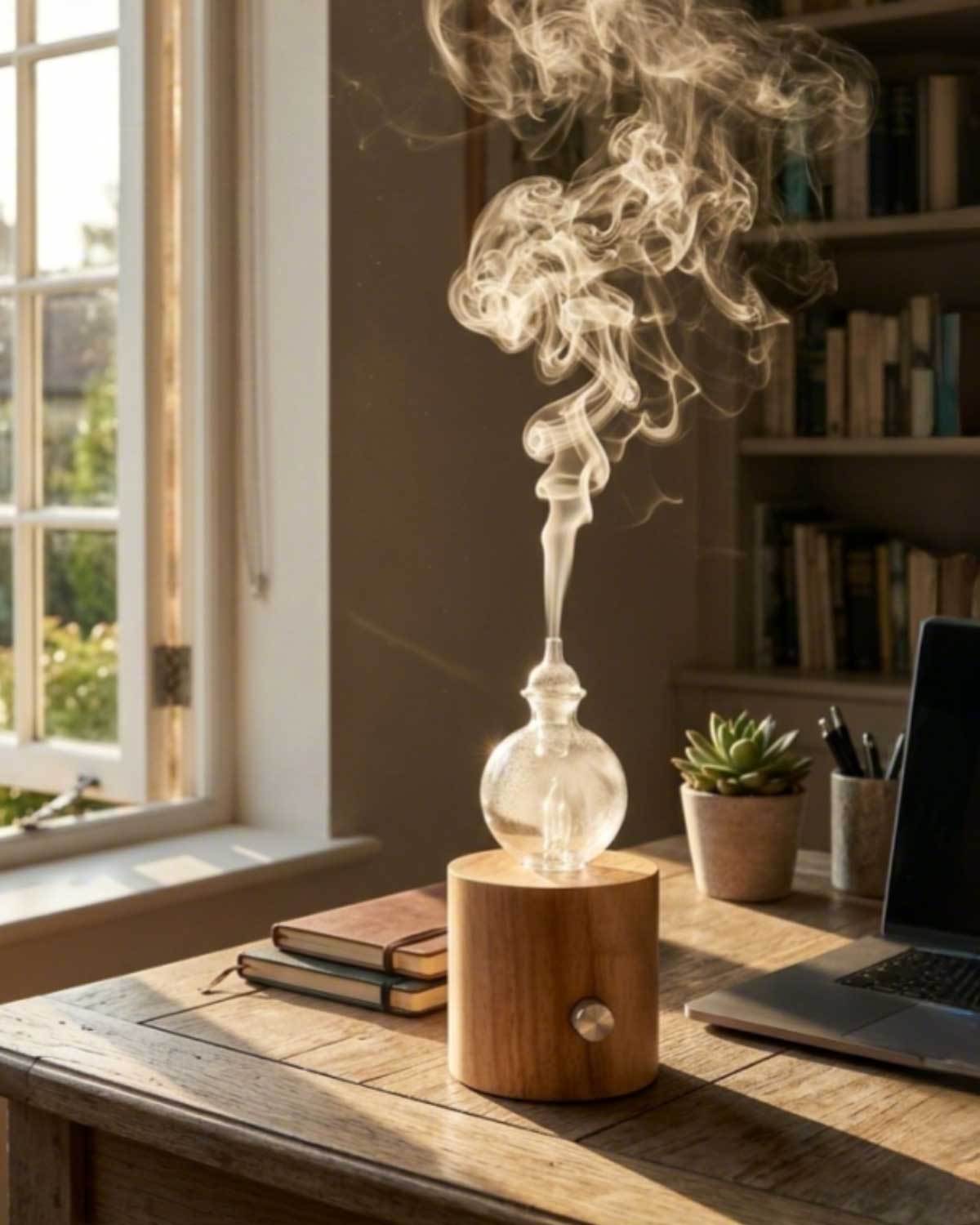
Glass nebulizing essential oil diffuser with a wood-look base on a desktop
Direct-oil atomization No water tank; output, sound and oil use remain model-specific.

Quick Technical Answer

What buyers should understand before requesting a quote

A nebulizing diffuser uses airflow and pressure to atomize a compatible aroma oil without adding water to a tank. Classic models expose a shaped glass reservoir and atomizing tubes, while enclosed two-fluid models place more of the oil pathway inside the housing. Compared with an ultrasonic diffuser, a nebulizing system normally delivers a more concentrated scent profile, but buyers should evaluate oil compatibility, pump sound, oil consumption, cleaning, spare parts and glass protection for the exact model.

Important terminology: this page concerns aroma and essential-oil diffusers. It does not describe medical nebulizers or inhalation devices.

Clear Product Definition

What Is a Nebulizing Diffuser?

Nebulizing diffusers belong to the wider waterless diffuser category. Their defining feature is direct-oil atomization using airflow or a two-fluid pressure structure rather than an ultrasonic water tank. The exact mechanism, mist path and controls vary by product.

01

No Water Reservoir

The selected compatible oil is used without filling a separate water tank. This changes scent intensity, cleaning and oil-consumption considerations.

02

Air-Driven Atomization

An air pump or pressure-air pathway draws and shears the liquid into airborne droplets. Pump design and nozzle geometry affect performance.

03

Concentrated Scent Delivery

Because the mist is not primarily water, the fragrance profile is generally stronger than a comparable water-based ultrasonic mist.

04

Model-Specific Performance

Coverage, sound, oil use, runtime, controls and cleaning cannot be assumed from appearance alone. Test the intended model and oil together.

Diagram showing the glass cover, mist outlet, maximum oil line, controls and wood base of a nebulizing diffuser
Illustrative glass-nebulizer anatomy. Controls, glass shapes and internal airflow structures differ by model.

Working Principle

How a Nebulizing Diffuser Works

The buyer-friendly explanation is simple: airflow creates a pressure difference, the oil enters the atomizing zone, and the liquid is dispersed as a fine aromatic mist.

01

Airflow Starts

A pump or pressurized-air channel moves air through a narrow pathway. The airflow and pressure level depend on the diffuser design.

02

Oil Is Drawn to the Atomizing Point

The pressure difference helps lift compatible oil through the glass tube, straw or internal liquid pathway used by the selected model.

03

Air and Oil Interact

The high-speed air stream shears the liquid into smaller droplets. Oil viscosity, residue and nozzle condition influence the result.

04

Aromatic Mist Is Released

The diffuser emits the mist through the glass outlet or enclosed nozzle. Output modes may be continuous, intermittent or adjustable.

Read the detailed working-principle guide →

Wholesale Product Categories

Nebulizing Diffuser Types for Different Market Positions

Choose the product format before discussing surface colours. The atomizing structure, glass protection, power system, sound level, oil path and cleaning method affect the customer experience more than a catalogue photograph suggests.

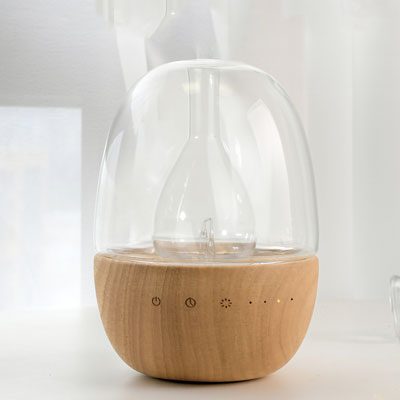
Classic Format Complete glass nebulizing diffuser with a wood-look base

Glass & Wood-Look Nebulizers

Visible glass atomization creates a distinctive premium presentation for aromatherapy retail, gifting and design-led home-fragrance ranges.

  • Review glass replacement options
  • Confirm real wood or wood-look material
  • Test pump sound and output modes
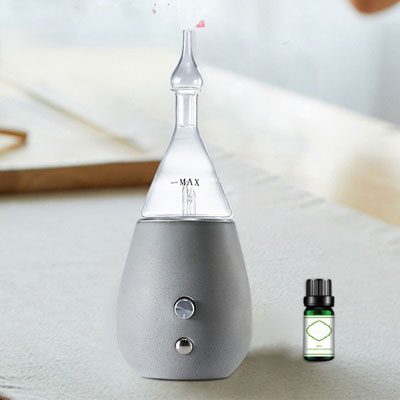
Material-Led Complete grey ceramic-style nebulizing diffuser with an essential oil bottle

Ceramic or Concrete-Look Bases

Heavier visual finishes suit natural, spa and contemporary interiors. Colour, texture, coating and production variation require approval standards.

  • Agree colour and texture tolerances
  • Check base weight and stability
  • Protect glass and surface finishes
Protected Glass Complete covered glass nebulizing diffuser with a wood-look base

Covered Glass Nebulizing Diffusers

An outer cover can improve visual protection and create a cleaner silhouette, although inner glass fit and transport protection still need testing.

  • Review cover ventilation and fit
  • Inspect glass alignment
  • Confirm cleaning access
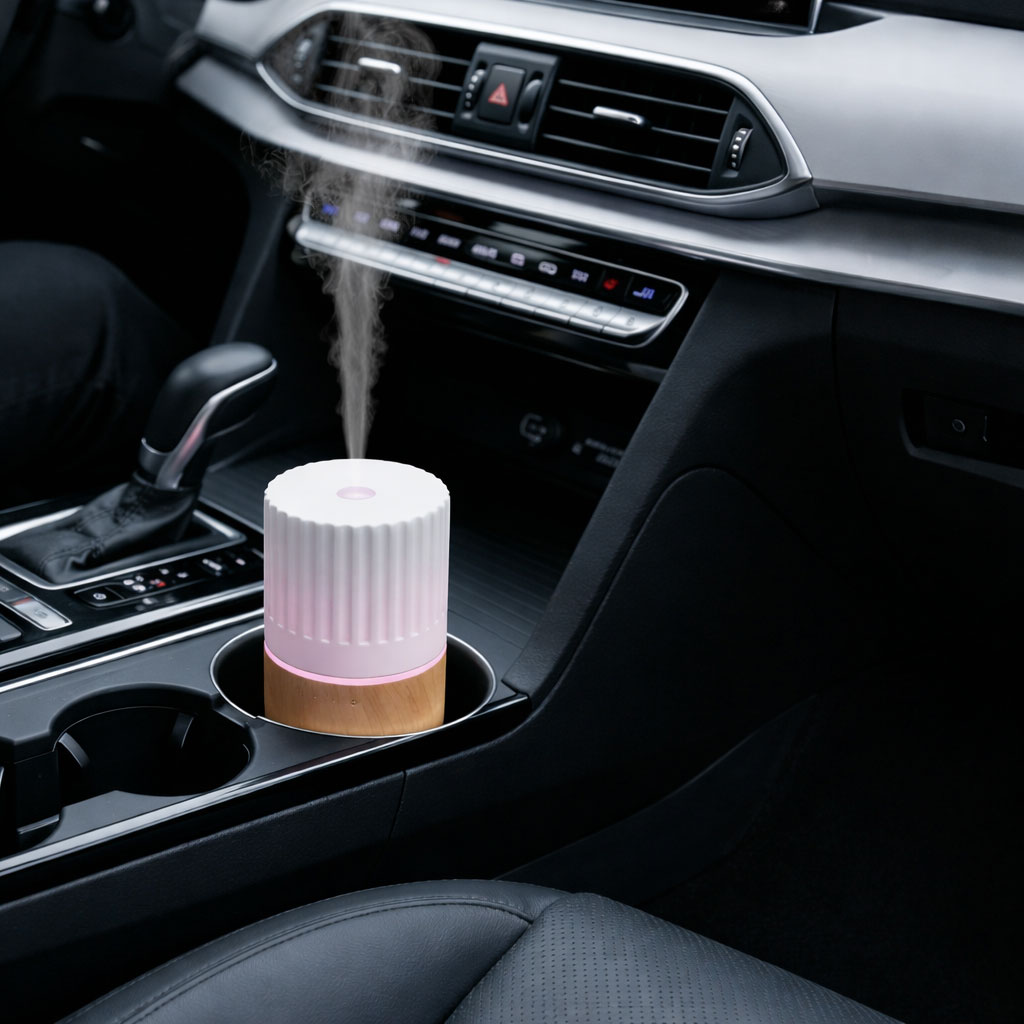
Portable Route Portable direct-oil diffuser positioned in a car cup holder

Enclosed Two-Fluid Portable Models

Selected compact models use an enclosed air-and-oil atomizing pathway for car, desk or travel applications. Confirm the exact mechanism before naming.

  • Check dimensions and spill resistance
  • Review battery or USB configuration
  • Validate temperature and transport guidance

Product names should describe the verified atomization system. Do not label every direct-oil diffuser “nebulizing” merely because it uses no water.

Buyer Comparison

Nebulizing vs. Two-Fluid Waterless vs. Ultrasonic Diffusers

This distinction prevents incorrect product naming, customer disappointment and keyword overlap between AromaLeap’s diffuser pages.

Buyer Check Classic Glass Nebulizer Enclosed Two-Fluid Model Ultrasonic Diffuser
Liquid systemCompatible oil without a water tank.Compatible oil without water; internal oil bottle, straw or reservoir varies.Water plus a suitable quantity of essential or fragrance oil.
AtomizationPressure-air atomization through shaped glass tubes.Air and liquid interact at an internal nozzle or atomizing structure.A piezoelectric ultrasonic plate creates a water-based mist.
Visible designGlass reservoir and atomization are often part of the product aesthetic.Oil pathway is usually more enclosed and protected.Tank, lid and mist outlet dominate the construction.
Scent profileGenerally concentrated; strength depends on oil and output setting.Generally direct-oil and concentrated; model output varies widely.Generally softer because fragrance is carried in a water mist.
HumidityNot designed to humidify.Not designed to humidify.Adds some moisture while operating, depending on mist output and room conditions.
SoundAir pump can be audible; test the exact unit.Pump or motor sound varies by housing and mode.Usually quieter, although fan and water sounds can remain.
MaintenanceClean glass reservoir and atomizing tubes; handle breakable parts carefully.Clean nozzle, straw, bottle and oil pathway according to model instructions.Clean the water tank, scale and ultrasonic plate according to instructions.
Best-fit positioningPremium aromatherapy, specialist retail and design-led gifting.Portable, vehicle, desk and selected compact direct-oil ranges.Mainstream home fragrance, gifting and water-mist ambience.

The table gives category-level guidance. Final output, room suitability, oil consumption, sound, maintenance and safety instructions must be confirmed for the selected model.

Read the detailed diffuser-versus-nebulizer guide →   Explore ultrasonic aroma diffusers →

1

Test the Intended Formula

Evaluate the oil that will actually be sold or supplied with the diffuser. Record the approved oil name, batch reference and test conditions.

2

Observe Output and Residue

Check startup, mist consistency, scent level, oil draw and visible residue over a realistic operating period.

3

Confirm the Cleaning Method

Use only a model-approved procedure and cleaning liquid. Glass tubes, nozzles, seals and coatings can respond differently.

4

Prepare Accurate User Instructions

State compatible oil guidance, filling level, operating modes, ventilation, cleaning and storage information for the approved configuration.

Wholesale Applications

Where Nebulizing Diffusers Fit Best

Nebulizing products work best when buyers value direct-oil scent delivery, distinctive product design and a more specialist aromatherapy story. They are not automatically the best choice for every room, buyer or price tier.

Aromatherapy & Wellness Retail

Classic glass designs can support expert-led essential-oil ranges where oil compatibility and cleaning education are part of the customer journey.

Home-Fragrance Brands

Use material, silhouette and packaging to build a premium tabletop product rather than competing only on mist output or price.

Gifting & Subscription Programs

Pair a protected diffuser, compatible oil and clear instructions in a retail-ready set. Glass protection and unboxing quality matter.

Spas & Selected Hospitality Uses

Evaluate sound, scent intensity, maintenance and room conditions before recommending a model for treatment rooms, suites or reception displays.

Glass nebulizing diffuser used in a home office setting

Honest Product Guidance

When an ultrasonic or another waterless diffuser may be a better fit

A credible manufacturer should help buyers choose the right technology, not force every project into one category.

Choose ultrasonic when added water mist is part of the experience.Ultrasonic models are often better for soft ambient mist, quieter positioning and mainstream home-fragrance gifting.
Choose another waterless format when portability or bottle integration matters more.Bottle-fit, portable and larger commercial direct-oil systems may use different atomizing structures.
Do not choose by claimed coverage alone.Room layout, ventilation, oil formulation, placement, settings and user tolerance affect real-world scent perception.

Read the wholesale diffuser selection guide →

Materials & Craftsmanship

Specify the material, finish and acceptable variation

The attached product references show wood, glass, ceramic-style and other decorative directions. For production, the material name, coating, colour standard, texture, dimensional tolerance and appearance limits should be written into the approved specification.

Natural Direction

Solid Wood or Wood-Look Housings

Confirm whether the component is natural wood, veneer, printed grain, resin or another substrate. Natural grain and tone variation should be expected and controlled.

Functional Centrepiece

Glass Reservoirs & Covers

Review clarity, wall consistency, fit, chips, cracks, visible marks, maximum-fill lines and replacement availability. Packaging must protect every exposed glass part.

Tactile Finish

Ceramic or Concrete-Look Bases

Set expectations for glaze, texture, pinholes, colour variation, weight, stability and surface protection. A visual “handmade” effect still needs inspection standards.

Engineered Surface

Resin, Plastic or Metal Components

Check material compatibility with the intended oil, coating resistance, colour consistency, moulding quality and the appearance of seams, buttons and indicators.

OEM & Private Label

Customization options that support a retail-ready product

Customization is confirmed after the selected model, target market and artwork are reviewed. A logo change is a different project from a new housing, atomizing structure, circuit or mould.

Product Identity

Logo, Colour & Finish

Review appropriate logo application, base colour, wood-grain direction, coating, button graphics and approved artwork position for the material.

User Experience

Controls, Power & Accessories

Discuss available output modes, timers, indicator lights, cables, adapters, batteries, spare glass, cleaning accessories and oil bottles.

Retail Readiness

Private Label Packaging

Coordinate the retail box, protective insert, printed manual, safety text, labels, barcodes, carton marks and destination-specific information.

Logo ApplicationBase ColourSurface FinishGlass & Spare PartsOutput ModesCable or AdapterRetail BoxProtective InsertManual & LabelsShipping Carton

Explore AromaLeap custom diffuser support →

OEM / ODM Process

From technical brief to bulk shipment

A written specification and approved sample reduce the expensive sport of “but that is not what we meant.” Timing is confirmed only after model availability, customization, packaging, quantity and testing requirements are known.

01

Define the Application

Share the target buyer, market, environment, intended oil and commercial position.

02

Shortlist the Model

Compare atomization, glass, power, controls, sound, cleaning and spare parts.

03

Evaluate Samples

Test the actual oil, output, residue, sound, maintenance and packaging protection.

04

Approve Branding

Confirm artwork, colour, printed materials, accessories, box and inner protection.

05

Freeze the Specification

Agree components, functions, acceptance points, documents and pack details.

06

Produce & Ship

Manufacture, inspect, pack and prepare the order under agreed trade terms.

Quality Control

Inspect the atomization system and the complete retail set

A nebulizing diffuser combines fragile glass or enclosed oil pathways, an air system, controls and packaging. Quality planning should address both operating performance and transport protection.

Glass Appearance & Fit

Review chips, cracks, clarity, visible marks, fit, alignment, maximum-fill marking and agreed appearance limits.

Atomization, Airflow & Controls

Check startup, output consistency, operating modes, indicators, charging or adapter functions and abnormal noise.

Oil Path & Cleaning

Evaluate oil draw, residue, sealing, approved cleaning procedure and compatibility with the intended test formulation.

Packaging Protection

Verify diffuser restraint, glass separation, accessory placement, retail box, inner insert, master carton and agreed transport tests.

Certificates and documents are configuration-specific

The supplied certificate montage should not be treated as proof for every diffuser. Available reports and declarations depend on the exact model, adapter, electrical design, battery or wireless configuration, destination market and current document status. Confirm required documents before packaging approval and production.

Review AromaLeap diffuser quality control →

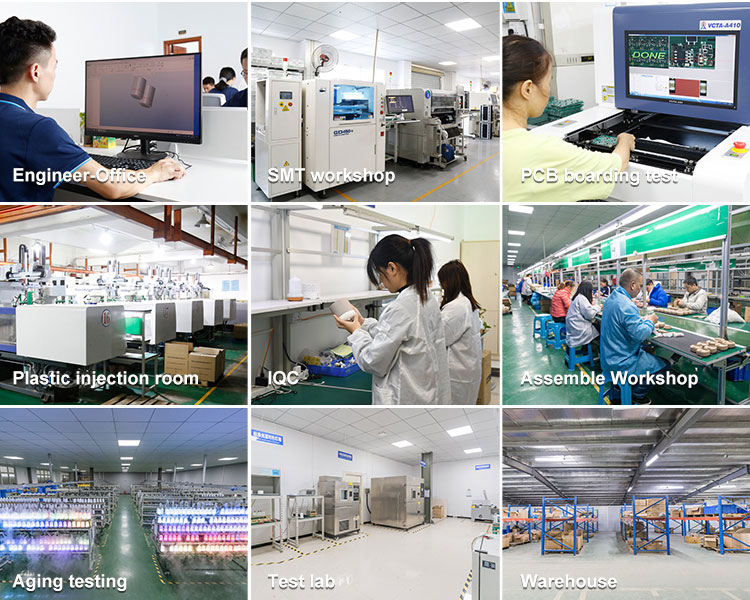
AromaLeap diffuser engineering, assembly, testing and warehouse facilities
Engineering, component production, assembly, testing and warehousing coordinated through a factory-based process.

Commercial Planning

MOQ, sampling, production and logistics guidance

There is no credible single MOQ or lead-time promise for every nebulizing diffuser project. The plan changes with product availability, components, customization, packaging, tooling, quantity, testing and factory scheduling.

01

MOQ

MOQ is confirmed after the model, component availability, logo method, finish, packaging and order scope are reviewed. Standard and customized orders may differ.

02

Sampling & Production

Stock samples, logo samples, custom colours, packaging proofs, engineering changes and ODM development follow different schedules.

03

International Logistics

Glass protection, batteries or adapters, carton dimensions, trade terms, destination rules and shipping method influence cost and preparation.

Send a useful quotation brief

A precise brief produces a more relevant model recommendation, sample route and commercial estimate.

  • Preferred model or reference image
  • Target market and application
  • Actual oil or formulation
  • Estimated quantity range
  • Logo, finish and packaging
  • Destination and document needs

Related AromaLeap Solutions

This page owns the specialist nebulizing intent. The links below cover broader diffuser technology, compatible oil, customization, quality and sampling without duplicating the same page purpose.

Buyer Questions

Nebulizing Diffuser Wholesale FAQs

Direct answers for procurement teams, private-label brands and retailers. Product performance and commercial terms remain model- and project-specific.

What is a nebulizing diffuser?

A nebulizing diffuser uses airflow and pressure to atomize compatible aroma oil without adding water to a tank. Classic designs use shaped glass tubes, while selected enclosed two-fluid models use an internal oil-and-air atomizing pathway.

Is a nebulizing diffuser the same as every waterless diffuser?

No. Nebulizing diffusers are part of the waterless category, but waterless diffusers also include bottle-fit, portable and commercial systems that may use different direct-oil atomization structures.

What is two-fluid atomization?

Two-fluid atomization describes air and liquid interacting at an atomizing point. The air stream shears the oil into droplets. The nozzle, airflow, oil pathway and controls vary by product, so the technical description should be confirmed for the exact model.

What is the difference between a nebulizing and ultrasonic diffuser?

A nebulizing diffuser uses compatible oil without a water tank and relies on airflow or pressure atomization. An ultrasonic diffuser uses water and a vibrating ultrasonic plate to create a water-based mist. Scent strength, humidity, sound and maintenance differ by design.

Can every essential oil or fragrance oil be used?

No universal compatibility should be assumed. Viscosity, ingredients, carrier oils, resinous components and residue can affect atomization and cleaning. Test the intended formulation with the selected diffuser before bulk production.

Are nebulizing diffusers quiet?

They use an air pump or motor, so some operating sound is normal. Housing, pump, output mode, placement and room acoustics affect perceived noise. Evaluate the sample in the intended environment.

Do nebulizing diffusers use more oil?

Direct-oil diffusion can consume oil faster than a water-based ultrasonic system, especially at higher output. Actual consumption depends on the model, settings, operating cycle, oil viscosity and ambient conditions.

How should a nebulizing diffuser be cleaned?

Follow the instructions for the exact diffuser and approved oil system. Cleaning may involve the glass reservoir, microtubes, nozzle, straw, bottle or internal oil pathway. Use only the manufacturer-approved method and cleaning liquid.

What can be customized for private-label orders?

Suitable models may support logo application, colour or finish changes, controls, accessories, printed materials and retail packaging. Structural, electronic, atomizing or mould changes require a separate feasibility review.

What is the MOQ for wholesale nebulizing diffusers?

MOQ varies by model, component availability, logo method, finish, packaging, tooling and order scope. AromaLeap confirms the applicable quantity after reviewing the project brief.

How long do sampling and production take?

The schedule depends on sample availability, oil testing, customization, artwork approval, packaging, quantity and factory capacity. A project-specific estimate is provided after the requirements are confirmed.

Which certificates and documents are available?

Available reports and declarations depend on the exact diffuser, adapter, electrical design, battery or wireless configuration, destination market and current document status. Required evidence should be checked before production approval.

About AromaLeap

Factory-based support for professional diffuser buyers

AromaLeap is a China-based B2B manufacturer of aroma diffusers, essential oils, fragrance oils and related home-fragrance products. The team supports model selection, OEM/ODM development, packaging, quality planning and export coordination for retailers, distributors, subscription programs and hospitality buyers.

5Production lines
B2BWholesale manufacturing focus
OEM/ODMPrivate-label project support

Start Your Project

Ready to source nebulizing diffusers for your brand?

Share your preferred product direction, intended oil, target market, estimated quantity range and packaging requirements. AromaLeap will review suitable models and the practical next steps for samples, customization and quotation.