
Essential oil diffuser guide
How to Use an Essential Oil Diffuser: 7 Simple Steps
Using a diffuser is straightforward once you identify the mechanism. An ultrasonic diffuser needs water; a waterless or nebulizing diffuser does not. The safest instruction is therefore not a universal drop count—it is the manual for the exact device and liquid in front of you.
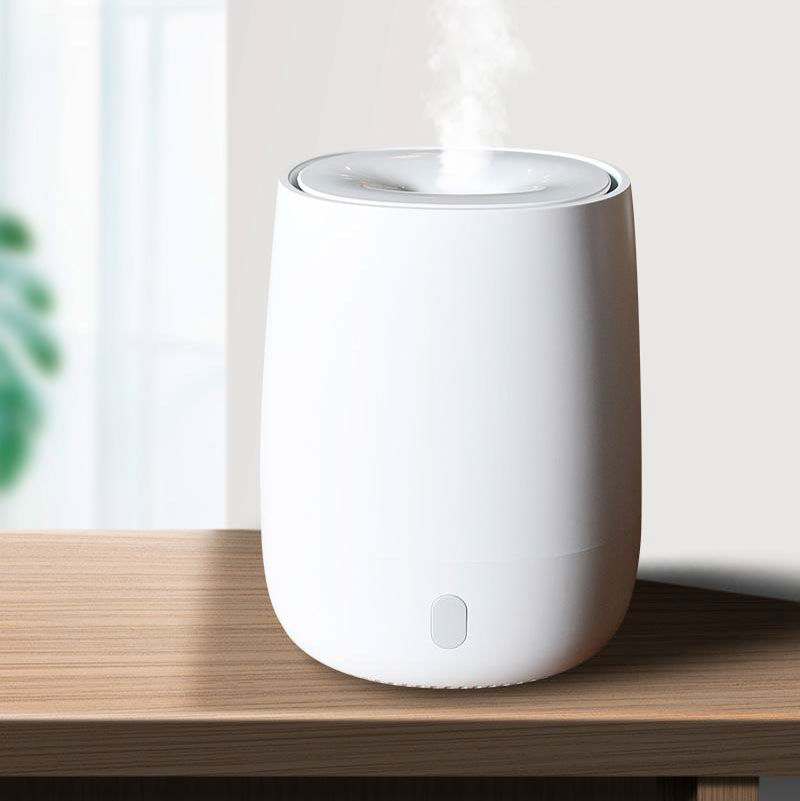
Direct answer
For a typical ultrasonic essential oil diffuser: place it on a stable surface, unplug it, remove the cover, add the water type specified in the manual up to the marked fill line, add only the recommended amount of compatible essential oil, replace the cover, connect the power and select the mist or timer setting. After use, switch it off, empty stale water and wipe the reservoir as instructed.
How to Use an Ultrasonic Essential Oil Diffuser
The following sequence applies to a common water-based ultrasonic model. Buttons, fill direction, water requirements, timer functions and automatic shutoff vary, so use this as a framework rather than a substitute for the supplied instructions.
Read the model instructions
Confirm the power supply, tank capacity, maximum fill line, permitted water type, compatible aromatic liquid, cleaning method and available controls. Do not assume that two similar-looking diffusers operate identically.
Place the diffuser on a stable surface
Use a flat, water-resistant surface away from the edge of furniture. Keep the mist outlet clear and leave space around the device. Avoid placing it directly beside computers, documents, untreated wood or fabrics that could be affected by moisture or oil.
Switch off and remove the cover
Disconnect the diffuser before filling unless the product instructions explicitly state otherwise. Lift or turn the cover in the direction shown in the manual rather than forcing it.
Add water to the marked level
For an ultrasonic model, pour in cool or room-temperature water up to—but not above—the MAX line. Use the water type specified by the manufacturer. Distilled water is not automatically correct for every sensor or atomizing system.
Add a compatible essential oil
Use the amount recommended for that tank and oil. Begin at the lowest stated level when the manual provides a range. More oil can create residue, overpower the space or reduce mist performance; it does not turn a small diffuser into a more capable one.
Replace the cover and select settings
Reassemble the cover, connect the correct adapter or cable and choose the available mist, timer or lighting mode. Only describe a device as having automatic shutoff, intermittent mist or app control when that feature is verified for the exact model.
Monitor the first operating cycle
Check for stable mist, unusual sound, leakage or condensation. Use moderate scent intensity and normal room ventilation. When finished, switch off the unit and follow the model-specific emptying and cleaning instructions.
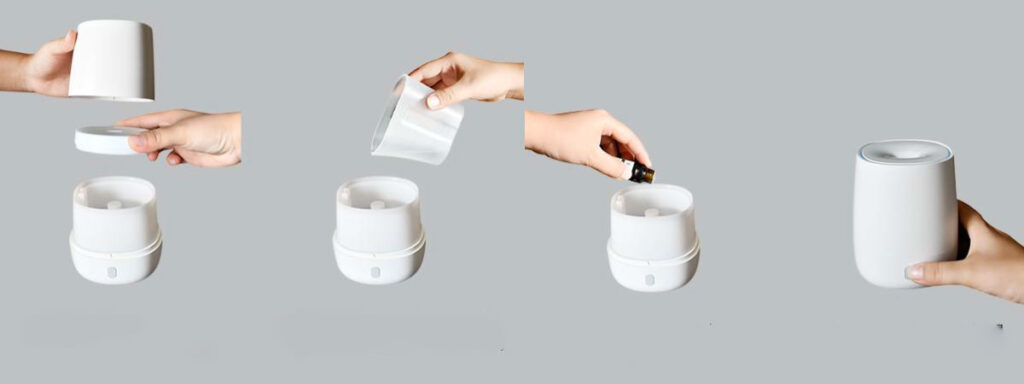
Do not heat the water or preheat the diffuser. An ultrasonic aroma diffuser normally creates a cool mist through vibration. Advice about increasing the light brightness to warm the tank is not a standard operating method and should not appear in a general user guide.
How Instructions Change by Diffuser Type
A frequent source of poor instructions is treating every diffuser as an ultrasonic water-tank model. The broad product family includes waterless, nebulizing, fan, reed and passive formats, each with different liquids and maintenance.
| Diffuser type | Add water? | What goes into it? | Basic setup | Main maintenance point |
|---|---|---|---|---|
| Ultrasonic | Yes | Water plus a model-compatible quantity of essential oil | Fill to the marked level, add oil, close the cover and select mist or timer settings | Water reservoir and atomizing plate |
| Waterless direct-oil | No | A compatible oil bottle or reservoir formulation | Fit the bottle or fill the reservoir exactly as shown, then select output and operating cycle | Bottle fit, straw, nozzle and oil pathway |
| Glass nebulizing | No | A compatible essential oil in the glass or connected reservoir | Assemble delicate glass parts correctly and begin with a low output setting | Glass atomizing tubes and residue from viscous oils |
| Evaporative fan | Usually no | Oil applied to a replaceable or reusable pad, wick or filter | Load the scented insert and operate the fan according to the device instructions | Pad replacement and airflow pathway |
| Reed diffuser | No | A fragrance formulation designed for reeds | Remove the stopper, insert the intended number of reeds and place the vessel securely | Spills, reed condition and evaporation rate |
| Passive ceramic or stone | No | A small amount of compatible oil applied to the porous surface | Apply carefully and place on a protected surface because oil may migrate or stain | Reapplication and surface protection |
For mechanism-level differences, read AromaLeap’s guide to the types of essential oil diffusers. Direct-oil users can review the waterless diffuser guide, while classic glass systems are covered in how a nebulizing diffuser works.
How Much Essential Oil Should You Put in a Diffuser?
There is no reliable universal drop count. Tank capacity, diffuser output, oil composition, room conditions and user sensitivity all affect the appropriate amount. A fixed instruction such as “always use 5–10 drops” can be too strong for one product and too weak for another.
- Follow the quantity stated in the exact diffuser manual.
- Check the essential-oil label for relevant use limitations.
- Start at the lowest recommended amount when a range is provided.
- Increase only gradually if the scent remains comfortable.
- Reduce the amount when changing to a stronger-smelling oil.
- Stop use if anyone experiences irritation or discomfort.
Essential oil and fragrance oil are not interchangeable labels. Some fragrance formulations are developed for waterless machines, reeds or other systems and may not be suitable for an ultrasonic water tank. Use only liquids approved for the device. Buyers sourcing oils for commercial equipment should match the formulation to the diffuser through compatibility testing rather than attractive naming alone.
For oil sourcing, AromaLeap provides information on wholesale essential oils and diffuser oil wholesale. Final use instructions must still reflect the selected oil and diffuser combination.
Where Should You Place a Diffuser, and How Long Should It Run?
Choose a sensible location
Place the unit where it cannot be knocked over and where mist can disperse without striking a wall, shelf or electronic device. Keep it away from direct heat, strong sunlight and airflow that immediately carries the scent outdoors.
Use the timer rather than guesswork
Runtime depends on output, room size, ventilation, oil and user preference. Begin with the lowest practical setting or a short timed cycle, then assess the room before extending operation.
Do not assume overnight use is suitable
A model may include low-water shutoff or a timer, but these features must be verified. Follow the manual and avoid leaving a diffuser operating unattended merely because similar products advertise automatic functions.
Distinguish scent from humidity
An ultrasonic diffuser releases a water-based mist, but a compact aroma diffuser is not normally a substitute for a room humidifier. See the full diffuser vs humidifier comparison.
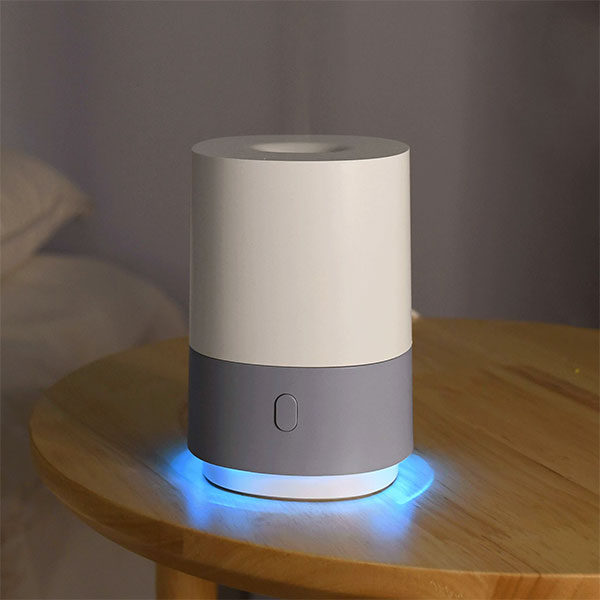
What Should You Do After Using a Diffuser?
Oil residue and standing water can change the next scent and reduce output. A quick after-use routine is useful, but the correct cleaning agent and method depend on the tank material, seals, atomizing component and electronics.
- Switch off and disconnect the device.
- Empty remaining water or oil in the direction shown by the manual, keeping liquid away from air outlets and electrical parts.
- Wipe accessible surfaces with the recommended soft cloth or cleaning method.
- Allow the unit to dry before storage or refilling.
Do not make vinegar a universal rule. Some manufacturers permit diluted vinegar or another cleaning solution; others specify water, alcohol or a dedicated method. Use only the cleaning agent approved for the model.
For the complete after-use routine and model-specific cleaning considerations, see our guide to cleaning an essential oil diffuser.
Why Is the Diffuser Not Misting?
If an ultrasonic diffuser powers on but produces little or no mist, switch it off before checking the following basics:
- Water is not above or below the operating range.
- The cover and inner parts are fitted in the correct position.
- The air inlet and mist outlet are not blocked.
- The atomizing plate is clean and free from heavy oil residue.
- The correct adapter, cable and voltage are being used.
- The unit is standing level rather than tilted.
- The oil quantity is not excessive for the reservoir.
- No water has entered an electrical or airflow compartment.
Stop using a leaking, unusually hot, damaged or erratically operating product. For a more complete diagnostic sequence, use AromaLeap’s guide to why a diffuser is not misting.
Essential Oil Diffuser Safety
A diffuser is a fragrance-delivery device, not an air purifier or medical treatment. Product copy should not promise that it removes formaldehyde, sterilizes a room, guarantees sleep, improves breathing or delivers essential-oil components into the body with a stated percentage.
Keep concentrated oils secure
Essential oils should not be swallowed and should be stored in their original containers out of reach of children and pets. Clean spills promptly and follow the product label.
Use moderate scent and ventilation
More fragrance is not automatically better. Stop the diffuser and ventilate the area if the scent causes coughing, eye or throat irritation, headache, nausea or other discomfort.
Consider pets and sensitive occupants
Animals can be more sensitive to concentrated oils and airborne scent. Keep the diffuser and bottles inaccessible, provide an exit from the scented room and consult a veterinarian for pet-specific concerns.
Respect the electrical design
Use the correct power supply, keep liquid away from connectors and never operate a visibly damaged unit. Do not open or repair electronic components unless qualified to do so.
For a deeper product-focused review, see AromaLeap’s essential oil diffuser safety guide.
For brands, retailers and hospitality buyers
What a Good Diffuser User Manual Should Explain
For a wholesale diffuser project, the instructions are part of the product—not an afterthought printed the evening before shipment. A clear manual reduces misuse, returns, support questions and inaccurate marketing claims.
- Exact model name, voltage, adapter, plug and package contents
- Illustrated cover removal and correct filling direction
- Tank capacity and clearly marked maximum water level
- Compatible and incompatible oils or formulations
- Model-specific oil quantity guidance without universal claims
- Button, mist, timer and light instructions
- Verified shutoff and safety functions only
- Cleaning method and permitted cleaning agents
- Troubleshooting for no mist, weak mist and leakage
- Warnings, storage, disposal and destination-language requirements
Commercial buyers can compare AromaLeap’s wholesale oil diffuser range and ultrasonic aroma diffusers. Confirm the manual, packaging, functions, liquids and destination requirements for the exact model before approving bulk production.
Continue Your Diffuser Research
Frequently Asked Questions
What is the correct way to use an essential oil diffuser?
First identify the diffuser type and read its manual. For an ultrasonic model, place it on a stable surface, add the specified water to the fill line, add the recommended amount of compatible essential oil, replace the cover and select the mist or timer setting. Waterless and nebulizing diffusers require different setup and should not be filled with water.
How many drops of essential oil should I put in a diffuser?
Use the amount specified for the exact tank and oil rather than a universal number. Tank capacity, output, oil strength and room conditions vary. Start at the lowest recommended amount and increase cautiously only when the scent remains comfortable.
Can I use tap water in an essential oil diffuser?
Use the water type stated in the product manual. Some ultrasonic models are designed for ordinary clean tap water, while others may recommend filtered, demineralized or distilled water. One water rule does not fit every atomizing system or sensor.
Can I put fragrance oil in an essential oil diffuser?
Only when the fragrance oil is confirmed as compatible with that diffuser. Oils developed for reeds, candles, HVAC scent machines or waterless atomizers may not be suitable for an ultrasonic water tank. Confirm compatibility through the liquid supplier and device instructions.
Can I use an essential oil diffuser without water?
An ultrasonic diffuser normally requires water. A waterless direct-oil diffuser or nebulizing diffuser does not. Never run a water-tank model dry unless the manual explicitly describes a dry operating mode.
How long should an essential oil diffuser run?
Runtime should follow the model instructions and suit the room, output, ventilation and occupants. Begin with a low setting or short timer cycle, assess the scent level and avoid continuous operation merely because the tank still contains liquid.
Can I leave an essential oil diffuser on overnight?
Do not assume overnight use is suitable. Confirm the timer, low-water detection and automatic shutoff functions for the exact model, follow the manual and avoid leaving the unit unattended when the product instructions advise against it.
Why is my diffuser on but not producing mist?
Common causes include incorrect water level, a misaligned cover, blocked airflow, oil residue on the atomizing plate, excessive oil, an unsuitable power supply or a tilted unit. Switch it off before checking, and stop using it if it leaks, overheats or appears damaged.
Developing a Diffuser Range for Your Market?
Share your intended application, preferred mechanism, materials, power requirements, functions, packaging, destination country and estimated quantity. AromaLeap can help compare suitable models and prepare model-specific instructions for review.
Discuss Your Diffuser ProjectSafety references: Poison Control: essential oils and misuse; ASPCA: essential oils around pets; NCCIH: peppermint-oil safety overview.
General educational guidance only. Follow the instructions supplied with the exact diffuser and aromatic product.