
18 Essential Oil Diffuser Benefits: What They Can—and Cannot—Do
A balanced guide to atmosphere, daily routines, diffuser convenience and commercial value, with clear limits on health claims and practical advice for choosing a suitable product.

Essential oil diffuser benefits include distributing fragrance through a room, creating a chosen atmosphere, supporting relaxation or bedtime routines, offering a flameless scent format, providing adjustable or timed operation on selected models, and giving brands a highly visual product for gifting and home-fragrance collections. A diffuser does not itself treat disease, purify all indoor air or guarantee better sleep, concentration or mood. Those outcomes depend on the oil, dosage, device, setting and individual response.
Essential oil diffusers have become popular because they turn a concentrated aromatic liquid into a room experience. Yet many online benefit lists blur three very different ideas: what the device reliably does, what the scent may help a user feel, and what has been claimed as a medical effect.
This article separates those categories. It keeps the useful lifestyle and commercial advantages while removing claims that a diffuser can heal skin, improve circulation, balance hormones, treat respiratory problems or strengthen the immune system. Readers comparing products can also explore AromaLeap’s wholesale oil diffuser range and the guide to different types of essential oil diffusers.
18 Essential Oil Diffuser Benefits at a Glance
| Benefit | What it realistically means | Important qualification |
|---|---|---|
| 1. Room fragrance | Moves aroma beyond an open bottle or personal inhalation. | Coverage depends on model, output and ventilation. |
| 2. Chosen atmosphere | Helps a space feel calm, fresh, warm or energizing. | Fragrance perception is personal. |
| 3. Relaxation ritual | Can become part of a wind-down routine. | It is not a treatment for anxiety. |
| 4. Bedtime cue | A familiar scent can signal that the day is ending. | It does not cure insomnia. |
| 5. Focus cue | A consistent fragrance can mark work or study time. | It does not guarantee cognitive improvement. |
| 6. Mood and memory association | Scent can help shape how a setting is remembered. | Responses vary by individual and context. |
| 7. Flameless scenting | Most electric and passive diffusers avoid an open flame. | Electrical and oil-use safety still matter. |
| 8. Adjustable intensity | Selected models offer mist, interval or output controls. | Functions are model-specific. |
| 9. Scheduled use | Timers and duty cycles can simplify operation. | Not every diffuser includes programming. |
| 10. Easy scent changes | Users can change oils or blends to suit the occasion. | Clean pathways before incompatible scent changes. |
| 11. Multiple technology options | Ultrasonic, nebulizing, waterless and passive formats serve different needs. | No single mechanism is universally best. |
| 12. Decorative value | The product can contribute to the room’s visual design. | Appearance should not replace function testing. |
| 13. Ambient light and visible mist | Selected ultrasonic models add a visual experience. | Light and mist are optional features. |
| 14. Portable scent formats | Battery, USB and car models can move between settings. | Check spill resistance, runtime and charging. |
| 15. Hospitality ambience | Scent can support a consistent guest or retail atmosphere. | Use must suit the space and audience. |
| 16. Brand identity | A recognizable scent can reinforce brand presentation. | Fragrance should be tested with real customers. |
| 17. Customizable product opportunity | Diffusers can carry custom colours, logos, packaging and accessories. | Options depend on model and project scope. |
| 18. Device-and-refill ecosystem | A diffuser can support repeat oil, refill or accessory purchases. | Compatibility and responsible usage instructions are essential. |
Benefits for Atmosphere, Scent and Daily Routines
These first six benefits concern the sensory experience around diffusion. They are often the reason consumers purchase a diffuser, but they should be described as supportive experiences, not guaranteed health outcomes.
Distributes Fragrance Through a Space
A diffuser carries aroma beyond the bottle and makes it easier to scent a bedroom, reception area, treatment room or desk zone. The actual reach depends on the technology, output setting, room volume, doors, ventilation and placement.
Core device benefitHelps Create a Chosen Atmosphere
Fragrance can make a room feel softer, brighter, cleaner, warmer or more distinctive. A quiet lavender profile may suit a wind-down setting, while citrus or mint notes may feel fresher during daytime use. The benefit is environmental and subjective rather than medical.
Sensory atmosphereSupports a Relaxation Ritual
Switching on a diffuser can become part of a broader calming routine that also includes lower lighting, reading, stretching or quiet music. The routine may be valuable even when the scent itself does not produce a measurable physiological change.
Potential experience benefitCreates a Familiar Bedtime Cue
Using the same gentle scent at a consistent time can help distinguish bedtime from the rest of the day. This is best presented as a routine cue, not as a cure for insomnia. Selected users may find lavender or chamomile aromas pleasant, but evidence and individual reactions vary.
Routine supportMarks Focus or Study Time
A specific fragrance can become associated with a work session, creative task or study period. That consistent sensory marker may help users enter a familiar routine. It should not be marketed as a guaranteed method for increasing concentration or productivity.
Context cueAdds Mood and Memory Association
Smell is closely connected with personal memory and place. A hotel lobby, retail store or home can become easier to recognize when the same fragrance is used consistently. This is one reason scent is valuable in hospitality and brand environments.
Emotional associationOil choice remains important. AromaLeap’s essential oil range includes commonly used aromatic profiles, while buyers interested in a classic calming note can review lavender essential oil. Suitability for a diffuser must still be confirmed against the device instructions.

Practical Benefits of the Diffuser Device
The next eight benefits are easier to verify because they relate to product architecture and functions. Buyers should still confirm every feature on the exact model rather than assuming all diffusers behave identically.
Provides a Flameless Scent Format
Ultrasonic, nebulizing, waterless, fan and passive diffusers normally release fragrance without an exposed flame. This can suit bedrooms, desks, reception areas and retail environments where candles are inconvenient. A flameless product is not risk-free: electricity, batteries, spills and concentrated oils still require proper handling.
Practical safety advantageAllows Adjustable Scent Intensity
Selected diffusers offer low, medium and high settings, intermittent mist or adjustable atomization. These controls help users adapt output to the room and personal preference. Output levels should be tested with the intended oil because viscosity and formulation affect performance.
Model-specific controlSupports Timed or Intermittent Operation
Timers, duty cycles and automatic shutoff can make routine use more convenient and reduce unnecessary continuous output. The function set varies considerably, so buyers should verify timer length, memory behaviour, low-water protection and restart logic during sampling.
Convenience featureMakes It Easy to Change the Scent
Users can move from floral to citrus, woody or seasonal blends without replacing the entire device. The oil path should be cleaned when changing strongly contrasting formulations, especially in direct-oil systems where residue can affect the next scent.
Flexible fragrance useOffers Several Technologies for Different Needs
Ultrasonic diffusers create a water-based mist; nebulizing and selected waterless diffusers use compatible oil directly; evaporative products move air over a pad; passive ceramics and reeds release scent gradually. This variety lets buyers match technology to intensity, maintenance and price position.
Product choiceContributes to Interior Décor
Glass, ceramic, wood-look, metal and minimalist plastic housings allow the diffuser to function as a decorative object. For premium collections, finish consistency, surface quality, visual proportions and packaging protection are often as important as mist output.
Design valueAdds Ambient Light or Visible Mist
Selected ultrasonic models use warm lighting, colour modes or a visible plume to create a stronger visual experience. These features can improve shelf appeal and gifting value, although some customers prefer no light at night. Lighting controls should therefore be reviewed carefully.
Visual experienceEnables Portable and Vehicle Scenting
USB, rechargeable, cup-holder and compact direct-oil models extend fragrance beyond the home. Practical evaluation should cover battery runtime, charging port, spill resistance, mounting, cabin intensity and performance under temperature changes.
Portable format
Benefits for Retail, Hospitality and Private-Label Brands
The final four benefits explain why diffusers are attractive commercial products. They combine function, fragrance, packaging and repeat-purchase potential, but only when the product is properly matched to the customer and market.
Supports Hospitality and Retail Ambience
A consistent scent can help reception areas, hotel rooms, spas, salons, showrooms and boutiques feel more considered. Product selection should account for guest sensitivity, ventilation, staff maintenance, refill access and the difference between small-room diffusers and professional scenting systems.
Commercial applicationStrengthens Sensory Brand Identity
When a recognizable fragrance appears across stores, packaging, samples and customer touchpoints, it can reinforce brand memory. The fragrance should be tested for acceptance and consistency rather than selected only by the preference of one buyer or founder.
Brand experienceCreates a Customizable Product Opportunity
Depending on the model and project, a diffuser may support logo application, colour changes, surface finishes, retail boxes, inserts, manuals, accessories and gift-set combinations. More substantial OEM or ODM changes require a separate technical evaluation. Explore AromaLeap’s custom diffuser development options.
Private label and OEMBuilds a Device-and-Refill Product Ecosystem
Diffusers can be paired with essential oils, compatible fragrance formulations, spare bottles, pads or accessories. This creates repeat-purchase and gifting opportunities, provided compatibility is documented clearly and customers receive responsible usage and cleaning instructions.
Repeat purchase potential
Which Diffuser Technology Creates Which Benefit?
The word benefit is only useful when it connects to the right mechanism. An ultrasonic model, a glass nebulizer and a passive ceramic diffuser deliver very different experiences.
| Technology | Strongest practical benefits | Main trade-offs | Common applications |
|---|---|---|---|
| Ultrasonic | Visible mist, decorative lighting, familiar operation and broad design variety | Water-tank cleaning, diluted scent and model-dependent condensation | Homes, gifts, spas and bedrooms |
| Nebulizing | Direct-oil scent, distinctive glass design and concentrated aroma | Pump sound, oil use, glass protection and cleaning | Premium aromatherapy and specialist retail |
| Enclosed waterless | Portable or programmed direct-oil operation without a water tank | Oil compatibility, nozzle maintenance and pump performance | Desk, car, retail and selected commercial use |
| Evaporative or passive | Simple construction, quiet operation and gentle local scent | Lower output and less precise control | Small spaces, travel and decorative gifting |
For a broader mechanism-by-mechanism comparison, read 9 types of essential oil diffusers. Readers deciding between the two most discussed powered formats can use the ultrasonic diffuser vs. nebulizer guide.
How to Use an Essential Oil Diffuser Safely and Realistically
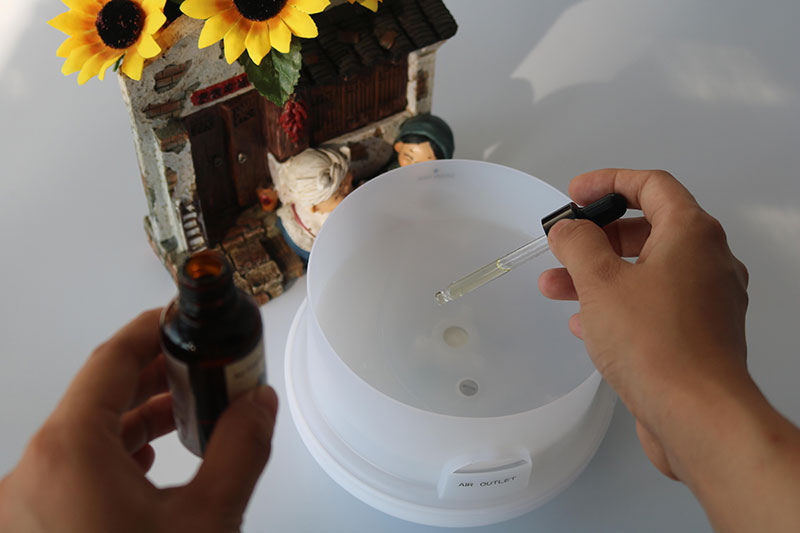
The benefits of a diffuser disappear quickly when the oil is unsuitable, the room is poorly ventilated or the unit is not maintained. Follow the exact manual for the device and the usage guidance for the oil or fragrance formulation.
Do not market a diffuser as a device that treats allergies, asthma, pain, digestive problems, skin disease, hormonal imbalance or infection. Essential oils are concentrated substances, and “natural” does not mean universally suitable.
What B2B Buyers Should Verify Before Ordering
A visually attractive diffuser can still create returns if it is noisy, difficult to clean, poorly packed or incompatible with the intended oil. Evaluate samples against a written project brief rather than choosing from photographs alone.
Before mass production, agree inspection points and acceptance standards. AromaLeap’s diffuser quality-control guide explains functional, aging, environmental and packaging checks. For product-selection planning, read how to choose the right aroma diffuser for your brand.
Frequently Asked Questions
What are the main benefits of an essential oil diffuser?
The most dependable benefits are room fragrance, atmosphere, convenient scent delivery, flameless operation, optional timers or intensity controls, decorative value and the ability to build routines around fragrance. Relaxation, sleep or mood effects vary by oil, person and context.
Can an essential oil diffuser improve sleep?
A familiar gentle scent may support a bedtime routine, and some aromatherapy studies report possible sleep benefits. Evidence is not uniform, and a diffuser should not be presented as a treatment for insomnia or another sleep disorder.
Do diffusers purify the air?
Standard aroma diffusers are not air purifiers. They disperse scent or aromatic droplets; they do not replace filtration, ventilation or a purpose-built air-cleaning system.
Can a diffuser help with stress or anxiety?
A pleasant scent and a calm routine may help some people feel more relaxed. However, results differ, and the device should not be described as treating anxiety or replacing professional care.
Is an essential oil diffuser a humidifier?
An ultrasonic diffuser releases a water-based mist and adds a small amount of moisture while operating. Most compact aroma diffusers are not designed or tested to replace a dedicated room humidifier.
Which diffuser type gives the strongest scent?
Nebulizing and selected waterless direct-oil systems often create a more concentrated aroma than water-based ultrasonic models. Actual intensity depends on the oil, atomization, setting, room and ventilation.
Can fragrance oil be used in an essential oil diffuser?
Only when the diffuser manufacturer and formulation supplier confirm compatibility. Some fragrance oils, carrier-oil blends or viscous liquids can damage tanks, seals, straws or atomizing pathways.
How long should a diffuser run?
Follow the exact model instructions and start conservatively. Room size, output, ventilation, user sensitivity and oil concentration matter more than one universal running time.
Are essential oil diffusers safe around pets and children?
Safety depends on the oil, concentration, animal species, age, health and exposure. Keep oils and devices out of reach, ventilate the space and ask an appropriate veterinarian or healthcare professional when uncertain.
What should wholesale buyers test in a diffuser sample?
Test appearance, sound, output, controls, runtime, leakage, refill method, cleaning, oil compatibility, power configuration, accessories, packaging and documentation for the destination market.
Continue Reading
About AromaLeap
AromaLeap is a China-based B2B manufacturer of aroma diffusers, essential oils, fragrance oils, candles and related home-fragrance products. The company supports product selection, OEM/ODM development, private-label packaging, quality planning and export coordination.
Planning an Essential Oil Diffuser Collection?
Share the intended market, diffuser type, preferred design, estimated quantity, oil format, packaging requirements and destination country. AromaLeap can help shortlist suitable models and define the sample tests required before a bulk order.
Discuss Your Diffuser Project