
Start with a defined buyer program, select a focused mix of botanical oils and compare approved samples. Confirm each material’s identity before discussing bulk supply or private-label packaging. A catalog name does not automatically mean a distilled, undiluted essential oil.
Start With Your Sales Channel
A distributor may need larger containers and repeat supply. A retail brand needs individual bottles, labels and cartons. A subscription business needs a coordinated assortment and packing format. Decide which route you are building before choosing the number of oils.
Use AromaLeap’s essential oil range to explore existing products, then share a shortlist with your quotation request. Begin with the products you can explain and sell clearly; expand after you have buyer feedback.
Compare Botanical Aroma Families
| Family | Catalog examples to discuss | Selection question |
|---|---|---|
| Citrus & fresh | Lemon, sweet orange, lime, grapefruit, bergamot | Do you need distinct citrus profiles or several similar variants? |
| Floral | Lavender, rose, geranium, ylang ylang | Is the exact floral material type and extraction route defined? |
| Herbal & mint | Peppermint, rosemary, tea tree, spearmint | Are botanical identity and composition requirements clear? |
| Woods & resins | Cedarwood, frankincense, vetiver, sandalwood | Which species and product profile match the brief? |
| Spice & specialty | Clove, cinnamon, black pepper, cardamom | Which plant part, specification and application requirements apply? |
The catalog groups oils for selection. Current availability and the exact offered specification are confirmed during sampling or quotation.

Separate Essential Oils From Other Aromatic Materials
Oil catalogs can include essential oils, absolutes, extracts, carrier oils, blends and formulated fragrances. Keep these categories clear in your buying brief, labels and customer communications.
- Botanical essential oil: request the botanical identity, plant part and extraction route.
- Absolute or extract: identify the material and process rather than relabeling it as a distilled oil.
- Dilution or blend: confirm its ingredients and product format.
- Fragrance oil: select for the intended finished-product application.
For a closer comparison, read the essential oil and fragrance oil definitions guide.
Plan a Sample Review That Leads to a Decision
- List the exact products and profiles you want to compare.
- Request the offered specifications with the sample options.
- Evaluate aroma against your range concept and reference material.
- Where the oil is an ingredient, have your product team evaluate it in the actual formulation or device.
- Record the approved sample, product identity and packaging choice for quotation.
A pleasant bottle aroma does not establish performance in a candle, soap or electronic diffuser. Use the intended finished product as part of your approval process.
Choose Packaging Around the Range
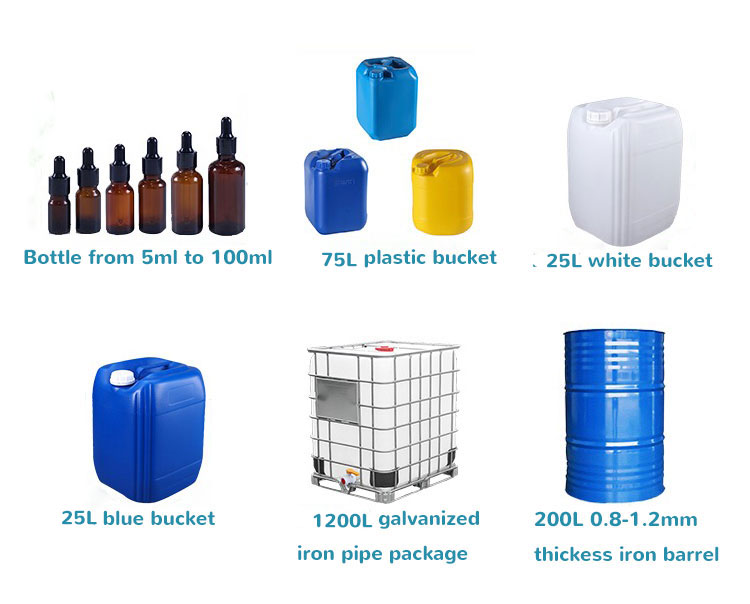
Bulk containers suit further filling or formulation; branded bottles suit retail and private-label collections. Gift or assortment packaging adds another set of artwork and packing decisions.
Agree oil names, bottle and closure options, label artwork, carton format and destination-country requirements. Container choices and quantities are confirmed for the selected project. Explore bulk and private-label buying options before finalizing your brief.
Questions to Resolve Before Placing the Order
| Decision | What to record |
|---|---|
| Product identity | Oil name, botanical designation, material type and offered specification |
| Sample approval | Sample reference and acceptance criteria |
| Packaging | Container, closure, label and outer-pack requirements |
| Commercial scope | Quantity, MOQ, price, payment and production timing from the quotation |
| Repeat supply | Approved specification and how changes are communicated |
Keep a manageable launch brief rather than asking for a price for every catalog item. The supplier checklist helps turn the shortlist into a comparable RFQ.
Range Planning Questions
Do I need to offer every catalog oil?
No. Start with oils that fit your customer, sales channel and approved product brief. A focused assortment is easier to sample, explain, package and reorder.
Can I sell every listed aromatic material as a pure essential oil?
Confirm the actual material type and composition. Essential oils, absolutes, carrier oils and formulated fragrances need accurate naming and labeling.
Can I request a mixed sample shortlist?
Ask AromaLeap about the products you want to compare. Sample availability, quantities and delivery terms are confirmed for the request.
Ready to Shortlist Your Oils?
Send the oil names, estimated quantity and destination country. Add bulk or branded packaging preferences if known.
Discuss Your ProjectAsk About Samples