

1. Start With Your Own Purchasing Requirement
Supplier selection is much easier when the buyer defines the project before asking for quotations. “Please quote lavender oil” is not a strong procurement brief. A supplier needs to know what product you are trying to buy, how it will be used commercially and what packaging or documentation your company expects.
Before contacting suppliers, prepare a simple requirement sheet covering:
- Oil or botanical required
- Intended commercial application
- Estimated order quantity
- Retail, wholesale or bulk packaging
- Private-label or unbranded supply
- Destination country or market
- Required product specification or buyer documents
- Target launch date or replenishment schedule
2. Verify the Exact Product Identity
Common names can hide important differences. A professional supplier should be able to clarify which product is being offered instead of relying on a broad name such as “orange oil,” “eucalyptus oil” or “rose oil.”
Botanical Identity
Confirm the botanical designation required for the oil being purchased.
Plant Part
Ask which plant material is used when that information is relevant to the specification.
Extraction / Processing
Confirm the actual extraction or processing route instead of assuming one method applies to every oil.
Origin Requirement
If origin matters to your customer, formulation or label, make it part of the written purchasing requirement.
For a broader view of AromaLeap's botanical range, see the Essential Oil Range.
3. Evaluate Samples Before a Large Order
A sample gives your purchasing, product-development or brand team a practical way to review the oil before committing to a larger order. Sample evaluation is especially useful when you are comparing suppliers, changing an existing supplier, developing a new SKU or approving a private-label project.
Do not judge only whether the aroma seems “strong.” Compare the sample against the agreed specification, the finished-product concept and any internal acceptance criteria your company uses.

Useful sample-review questions
- Does the sample match the oil and specification requested?
- Is the aroma suitable for the intended commercial product?
- Can the supplier identify which SKU/specification the sample represents?
- What happens if future production material differs from the approved sample?
AromaLeap has a separate sample enquiry page for buyers who want to discuss product evaluation before a larger project.
4. Review the Supplier's Quality-Control Process
“High quality” is not a useful supplier-selection criterion by itself. Ask what the supplier actually checks and how those checks relate to the oil, packaging and order being supplied.
- How are incoming raw materials or oils identified?
- What checks are made before filling or packing?
- How are buyer specifications communicated to production?
- How are packaging, labels and cartons checked?
- How are deviations or rejected goods handled?
- How does the supplier keep the approved product aligned with repeat orders?
Buyers who want to understand AromaLeap's production workflow in more detail can review the Essential Oil Manufacturing page.
5. Check Which Documents Are Available for the Product
Document requirements vary by oil, application, buyer and destination market. A reliable sourcing process starts by telling the supplier what your team needs and confirming availability for the exact product being considered.
- Current product specification
- Certificate of Analysis (COA), when applicable
- Safety Data Sheet (SDS/MSDS), when applicable
- Origin information, when it is part of the purchasing requirement
- Label or packaging information
- Other destination-market or customer-requested documents
Do not assume that every document applies to every essential oil or every order. Ask the supplier to confirm what is available for the exact SKU before the purchase order is finalized.
6. Ask How Repeat-Order Consistency Is Managed
A supplier can send an excellent first sample and still be a poor long-term sourcing partner. For wholesale buyers, the more important question is what happens on the second, fifth or tenth order.
- Approved product specifications
- Batch-to-batch review
- Changes in raw-material availability
- Changes in origin or processing when relevant
- Packaging-component availability
- Artwork and label revisions
- Communication before substitutions or changes
Your purchasing team should decide which changes require notification or re-approval before the supplier begins repeat production.
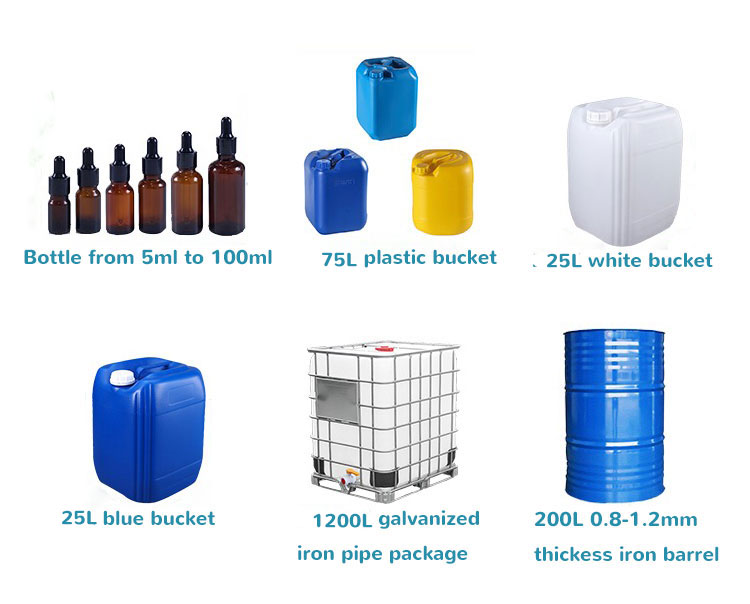
7. Evaluate Packaging and Private-Label Capability
The right oil supplier for a bulk ingredient buyer may not be the right supplier for a retail brand. If your business needs private-label products, evaluate the packaging workflow as carefully as the oil itself.
| Requirement | What to Ask | Why It Matters |
|---|---|---|
| Retail bottle | Which bottle sizes and closures can be supported for this project? | Affects unit economics, branding and downstream handling. |
| Label | Who supplies artwork and who checks size/placement before production? | Reduces rework and packaging errors. |
| Outer carton | Can the supplier support branded cartons or protective retail boxes? | Important for retail presentation and shipping protection. |
| Bulk container | Which larger formats are suitable for the selected oil and order quantity? | Important for formulation buyers and industrial handling. |
| Export packing | How will bottles or bulk containers be protected for international shipment? | Reduces leakage, damage and avoidable logistics problems. |
8. Compare MOQ, Price and Lead Time in Context
Buyers naturally compare prices, but a lower quote is not automatically a better commercial offer. Price can change with the selected oil, order size, packaging, customization, raw-material availability and shipping requirements.
| Commercial Factor | What to Compare |
|---|---|
| MOQ | MOQ for the exact oil, packaging and customization level—not a generic website number. |
| Unit price | Make sure both suppliers are quoting the same oil specification and packaging scope. |
| Sample cost | Ask whether the sample is product-only or includes custom packaging development. |
| Lead time | Separate product availability, packaging preparation and production time. |
| Freight | Clarify shipping method, destination and whether freight is included in the quote. |
| Payment terms | Confirm deposit/balance structure and payment method before issuing the order. |
9. Evaluate Supply Reliability, Not Only the First Order
International buyers need a supplier who can communicate realistically about product availability, packaging components, production scheduling and shipment preparation.
- Which products are normally available and which are project sourced?
- What can cause lead-time changes?
- How early should repeat orders be placed?
- How are packaging-component shortages communicated?
- Can the supplier support multiple oils in one purchasing project?
- What information is required before an export quotation can be finalized?
Review bulk and private-label purchasing options once you have a product shortlist and sourcing brief.
10. Essential Oil Supplier Red Flags
A supplier does not have to answer every question instantly, but it should be able to clarify what must be checked. Be cautious when you see patterns like these:
11. Use a Simple Supplier Scorecard
A scorecard makes supplier selection less subjective. Give each shortlisted supplier the same questions and score the answers from 0 to 5.
How to use it
40–50: strong candidate, subject to sample and project approval.
30–39: potentially workable; clarify weaker areas before ordering.
Below 30: compare alternatives or reduce the scope of the first order.
The score is not a certification system. It is simply a procurement tool for comparing suppliers consistently.
12. Copy This Essential Oil Supplier RFQ Checklist
You can paste the questions below into an email or supplier enquiry form. They force the discussion toward the information your purchasing team actually needs.
Supplier Enquiry Template
Please confirm the following for our project:
- Exact essential oil / botanical product being quoted
- Current product specification
- Plant part and extraction/processing information where applicable
- Origin information if relevant to the selected SKU
- Sample availability and sample specification
- COA, SDS/MSDS or other required buyer documents available for this product
- MOQ for bulk supply
- MOQ for private-label packaging, if different
- Available bottle / bulk packaging options
- Estimated production or preparation lead time
- Shipping options to our destination market
- How repeat orders are kept aligned with the approved product and packaging
Which Type of Essential Oil Supplier Is Right for Your Business?
The “best” supplier depends on your business model. A formulation company may prioritize bulk packaging and technical specifications. A retail brand may care more about private-label bottles, cartons and artwork coordination. A distributor may need a broad range and repeat supply. A hotel or spa group may focus on product selection, replenishment and branded presentation.
| Buyer Type | Prioritize |
|---|---|
| Brand owner | Private label, packaging, samples, consistency and launch support. |
| Importer / distributor | Range, documents, bulk pricing, repeat supply and logistics. |
| Product manufacturer | Exact specification, bulk format, samples and formulation compatibility. |
| Retailer / subscription box | SKU selection, retail packaging, labeling and smaller mixed-product projects. |
| Hospitality / spa | Product selection, consistent replenishment and branded presentation. |
Related AromaLeap Essential Oil Resources
If you are moving from supplier research to product evaluation, these pages cover the next stages of the sourcing process.