
Ceramic diffuser guide · Manufacturing
How Ceramic Aroma Diffusers Are Made: Materials, Finishes & Branding
The ceramic cover creates the first impression. The finished diffuser also needs the right fit, reliable operation and packaging that protects it. Here is how those parts come together—and what to look for when choosing products for your collection.
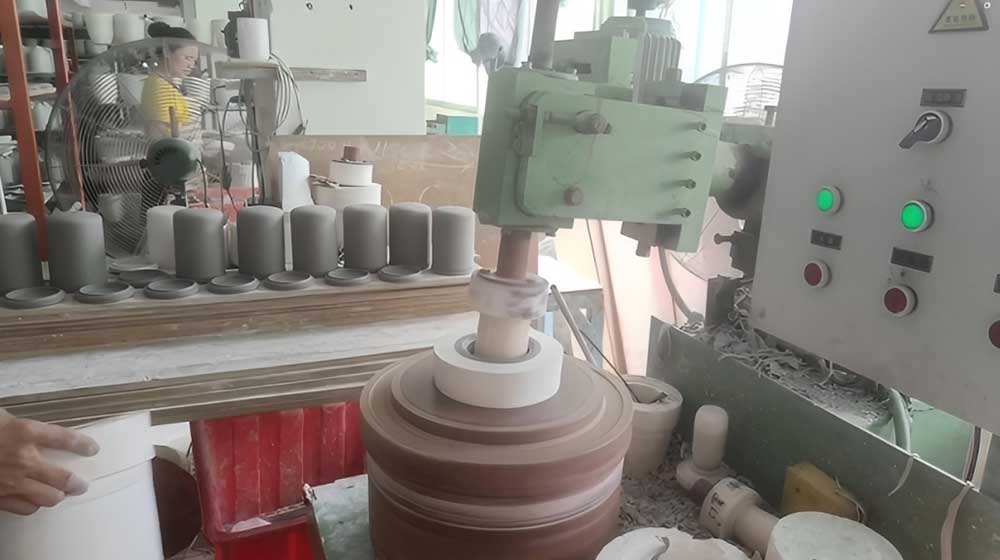
A ceramic diffuser brings together two kinds of work: making a decorative ceramic cover and building a functioning aroma diffuser.
That combination matters when sourcing a private-label collection. A finish may look attractive in a photograph, but the cover also needs to fit the base correctly. The controls should be easy to use, and the retail pack should protect the product through delivery.
In broad terms, production moves through material preparation, forming, drying and firing, surface finishing, and final assembly. The sequence varies with the ceramic material and design; some decorative treatments involve additional firing stages.
Understanding these stages helps you compare samples and discuss changes with your supplier. If you are already looking for designs, you can browse the AromaLeap ceramic diffuser collection alongside this guide.
1. Preparing the ceramic body
The cover begins with ceramic material suited to its shape and intended finish. Preparation affects how the material can be formed and how it behaves during drying and firing.
Different designs may require different materials and production routes. For buyers, the useful starting point is the finished sample: its color, texture, surface appearance and fit.
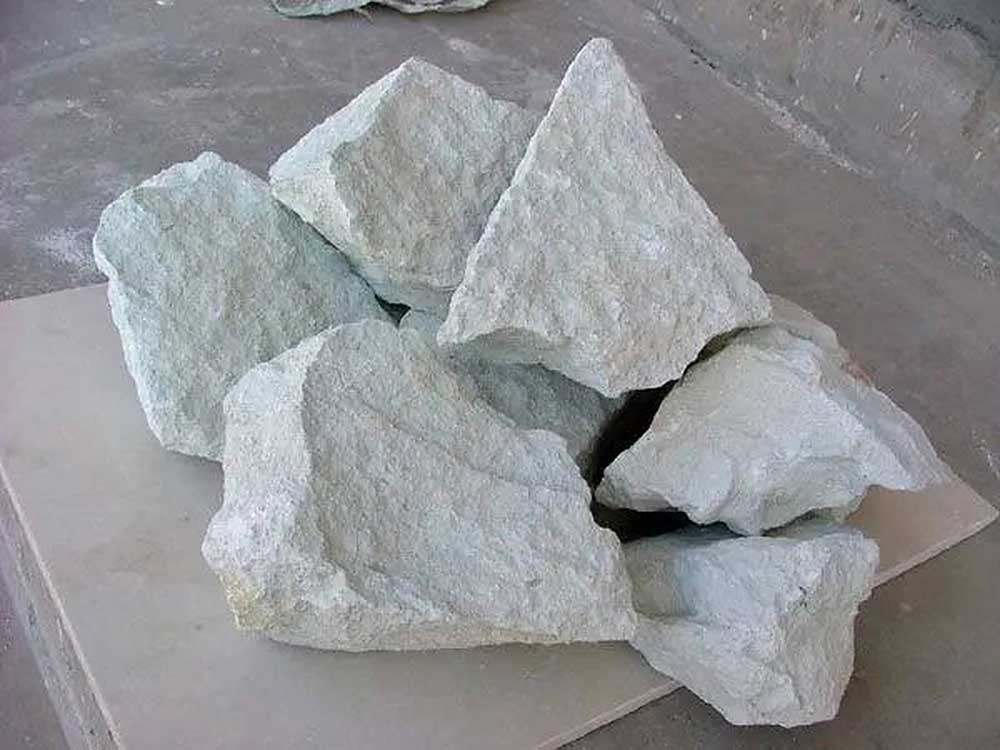
When a sample is approved, record the finish and appearance expected for the order. Keeping that physical reference is more useful than relying on photographs alone when reviewing repeat production.
2. Forming the shape and checking the fit
The prepared ceramic is formed into the selected cover shape. Mold work and the forming method depend on the size, silhouette and surface details of the design.
The ceramic cover must work with the diffuser underneath it. Its opening, base fit and mist outlet need to align, while removable parts should remain accessible for filling and care.
A new ceramic shape can require new mold development and sample work.
Adding a logo to an existing design and creating a new silhouette involve different amounts of development. Discuss a structural change early so the sampling, tooling and quotation reflect the work involved. Our custom diffuser service covers projects that need broader product changes.
3. Drying and firing the cover
After forming, the ceramic is dried and fired using a process suited to the material and finish. This stage gives the cover its ceramic structure and affects its final dimensions and appearance.
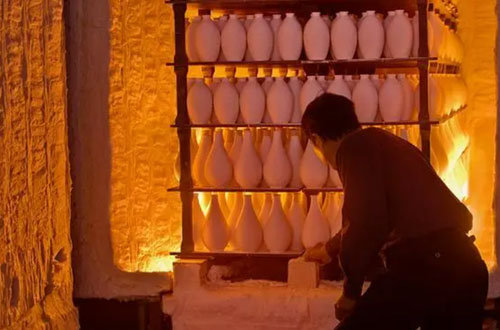
There is no single firing temperature that describes every ceramic diffuser. The body, glaze and decorative treatment can change the process.
When reviewing a finished sample, focus on the result: does the cover have the agreed shape, surface quality and fit? Those details become part of the reference for your order.
4. Creating the surface finish
The finish is where a ceramic diffuser starts to take on its retail identity. A smooth white surface can suit a restrained collection. Ribbing adds tactile detail, while patterns and sculptural shapes create a more decorative direction.
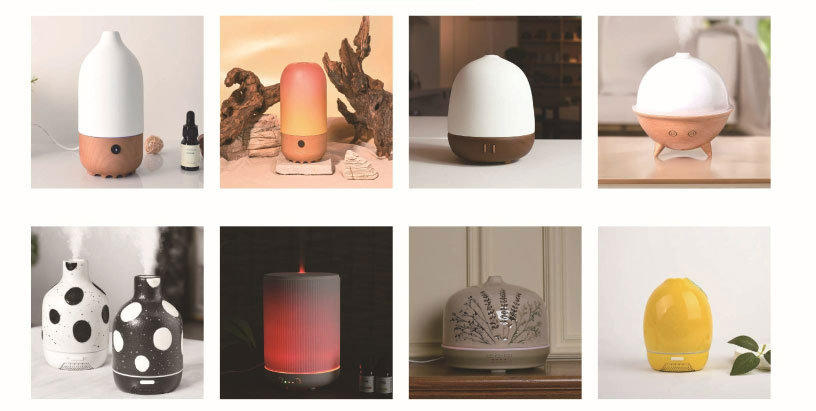
Color, gloss and texture should be reviewed on a physical sample under normal lighting. Screen images help with selection, but they cannot fully show how the surface looks and feels.
For a textured example, explore the white ribbed ceramic diffuser . If you are still deciding which material fits your collection, our ceramic vs plastic diffuser guide compares appearance, handling, packaging and customization.
5. Bringing the diffuser system together
Many tabletop ceramic diffusers use a water-based ultrasonic system inside a decorative ceramic cover. The water tank, misting components, controls and power supply determine how the product operates.
Those specifications vary by model. For example, the white ribbed ceramic diffuser has a 250 ml water tank, rechargeable battery and Type-C USB charging. Other ceramic designs may use different capacities, controls or power arrangements.
Try the actual sample you intend to order. Check filling access, the mist settings, controls and charging or power accessories. Review the supplied care instructions and how easily the cover can be removed and replaced.
You can view the white ribbed rechargeable model for its product details, or explore the wider ultrasonic aroma diffuser range .
6. Planning the logo and retail packaging
The ceramic finish, logo position and retail box work together to create the final presentation. Branding should be reviewed on the chosen product surface, where texture and shape affect the visible result.
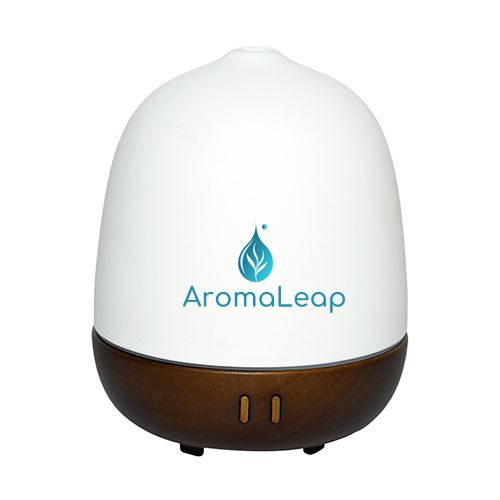
Discuss the marking method, position and size before approving the artwork. For textured covers, a suitable location may differ from that used on a smooth surface.
Review the packaging at the same time. The retail box, protective insert, accessories and manual should fit the finished diffuser and the way your customers will receive it.
The white ribbed product page includes branding and packaging references for one model. For production across other materials, read our aroma diffuser manufacturing guide .
7. Reviewing the finished sample
The sample brings the ceramic, diffuser operation, branding and packaging into one product. Use it to establish a clear reference before bulk production.
- Appearance: review the color, texture, finish and visible condition of the cover.
- Fit: check the ceramic cover, base, water tank and removable parts.
- Operation: try the mist, controls and power functions included in your order.
- Branding: approve the logo position, size and finished effect.
- Retail pack: review the box, protective insert, accessories and manual.
- Order reference: keep the agreed sample, specification and artwork together.
Ask about the product documents available for your destination market, and agree the order details with your supplier. AromaLeap’s diffuser quality page explains the broader checks for appearance, operation and packing.
Common questions
Is a ceramic diffuser made entirely from ceramic?
Usually, ceramic forms the decorative cover. An ultrasonic ceramic diffuser also contains a water tank, misting components, controls and electrical parts.
Can the ceramic have a custom logo or pattern?
The available method depends on the surface and model. Discuss the artwork with your supplier and review the finished effect on a sample.
Is ceramic the same as ultrasonic?
Ceramic describes the cover material. Ultrasonic describes the misting technology. Many ceramic diffusers use a water-based ultrasonic system, while other ceramic scent products use different methods.