B2B China Sourcing Guide

How to Source Waterless Diffusers from China

A practical procurement guide for brands, importers, distributors, retailers and hospitality buyers comparing waterless diffuser suppliers, samples, oil compatibility, customization, quality control, documentation and repeat supply.

  • Choose the correct diffuser technology
  • Compare suppliers using the same specification
  • Test the intended oil before bulk approval
  • Control samples, packaging and repeat orders
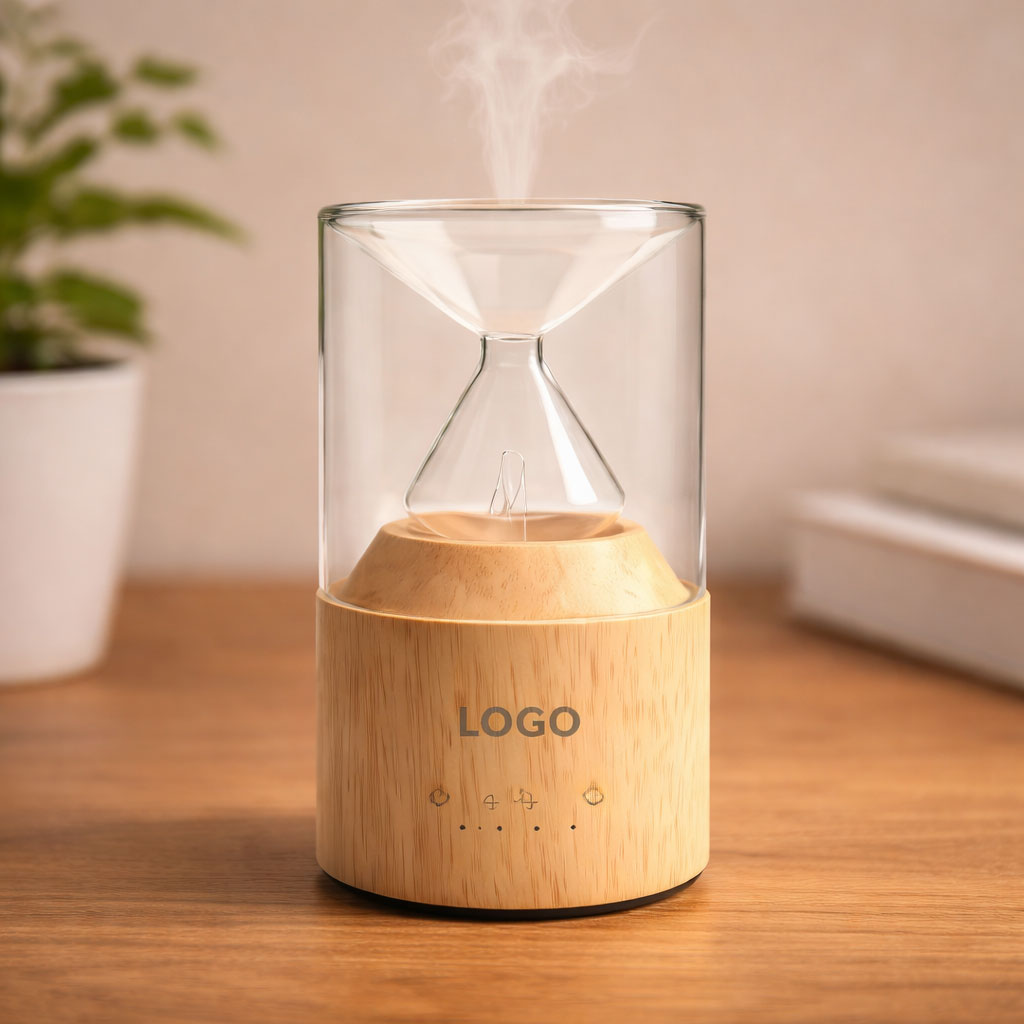
Waterless diffuser on a desk for a B2B China sourcing guide
Good sourcing starts with the product specification—not with comparing two quotations for products that merely look similar.
Quick answer for procurement teams

To source waterless diffusers from China, first define the diffuser type, intended oil, power system, target market and customization scope. Then compare suppliers using the same written specification, test the actual oil with the actual sample, approve branding and packaging, confirm model-specific documentation, and keep the final sample/specification as the reference for bulk and repeat orders.

Procurement Framework

Waterless Diffuser Sourcing Checklist

This page is deliberately different from AromaLeap's commercial waterless diffuser manufacturer page. Here the job is to help a buyer evaluate the sourcing process; the product page is where buyers compare AromaLeap's wholesale equipment and request quotations.

Step 1

Choose the Diffuser Type Before Asking for a Price

“Waterless diffuser” is a broad category. Different products can use bottle-fed systems, internal reservoirs, pumps, pressure-air pathways or other direct-oil atomization structures. A classic glass nebulizing diffuser can also be waterless, but it is a more specific technology.

If buyers send only a reference photo and ask for “the same waterless diffuser,” suppliers may quote products with different pumps, batteries, oil pathways, controls or materials. The prices then look comparable even though the products are not.

  • Define the intended environment: home, desk, car, gifting, spa, hotel or another use.
  • Confirm the intended oil or fragrance formulation.
  • Specify battery, USB, adapter or other power requirements.
  • Identify required controls, refill route, operating modes and accessories.
  • Separate general waterless products from true nebulizing technology.

For classic glass or verified air-driven nebulizer sourcing, compare the dedicated nebulizing diffuser manufacturer range.

Desktop glass nebulizing diffuser showing a specialist waterless diffuser format
Classic glass nebulizing products should be evaluated as a specialist subcategory rather than mixed into every generic waterless diffuser quotation.
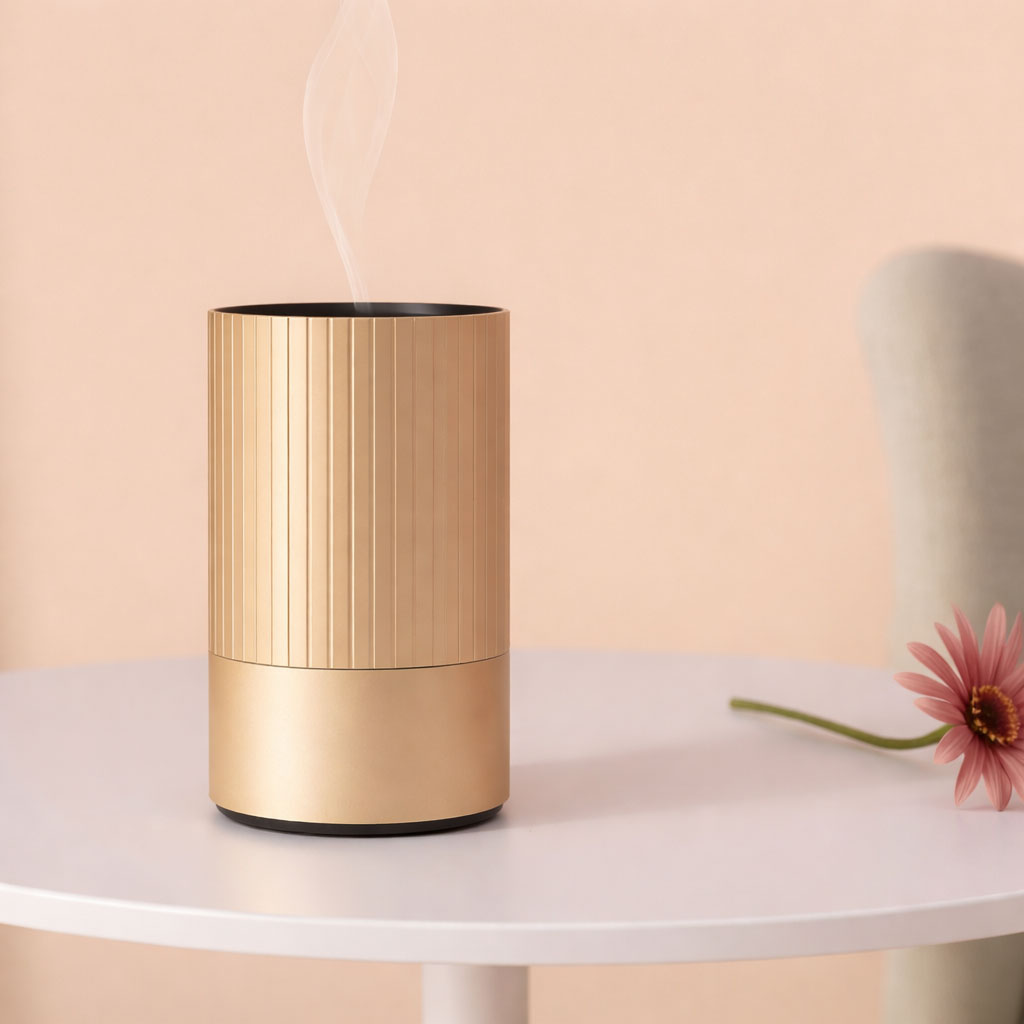
Compact waterless diffuser for retail and private-label sourcing
Compact Retail Format

Compact Waterless Diffusers

Useful for desktop, home-fragrance, e-commerce and gifting programs where size, simple operation and attractive presentation matter.

  • Check refill method and oil bottle fit
  • Confirm charging / battery details
  • Compare output and operating sound
Glass nebulizing diffuser for specialist aromatherapy and premium retail sourcing
Specialist Technology

Glass Nebulizing Diffusers

Direct-oil products with a visible glass atomization structure, often positioned for specialist aromatherapy, wellness and premium gifting.

  • Inspect glass fit and replacement route
  • Test actual oil and pump sound
  • Confirm cleaning procedure
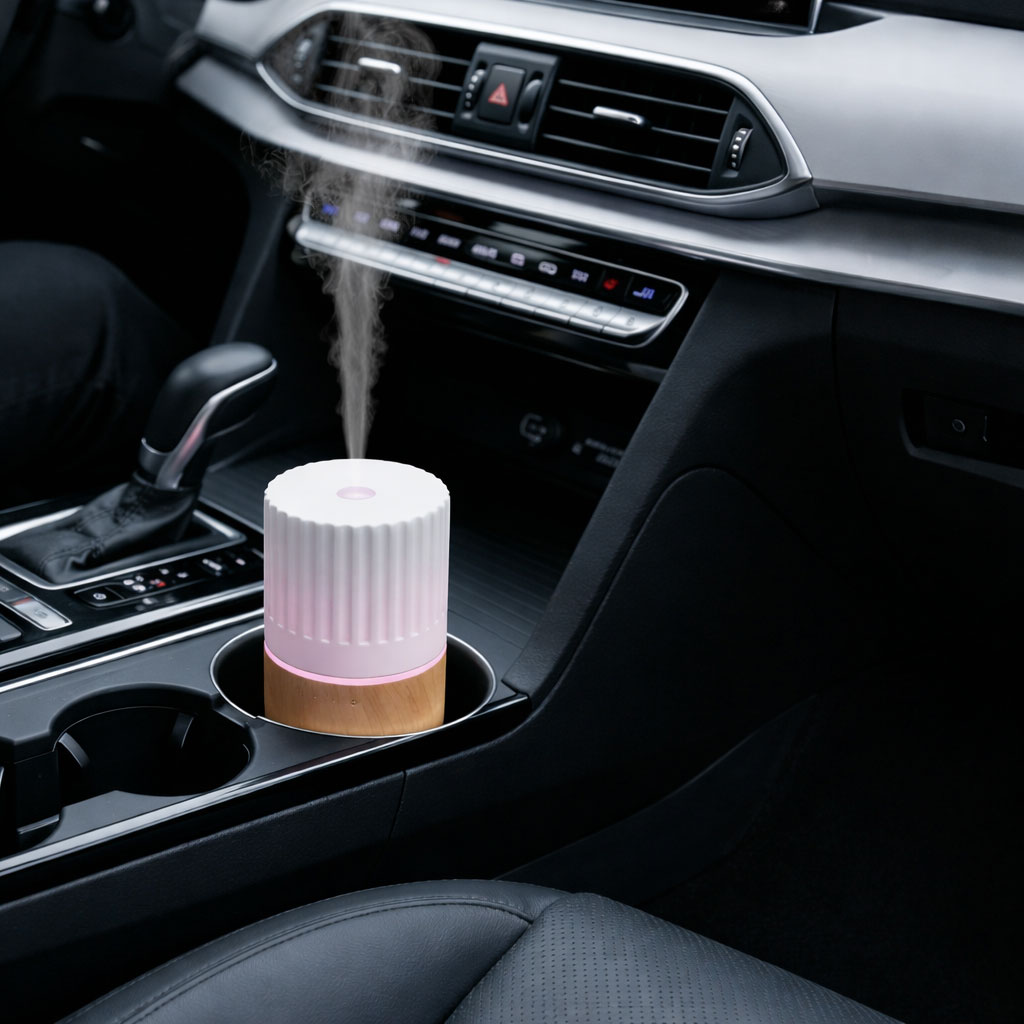
Portable direct-oil diffuser in a car for automotive fragrance sourcing
Portable / Automotive

Car & Portable Waterless Diffusers

Portable formats require additional attention to dimensions, charging, mounting, refill access, leakage protection and heat exposure.

  • Measure cup-holder / placement dimensions
  • Review battery and transport requirements
  • Test refill handling and leakage resistance
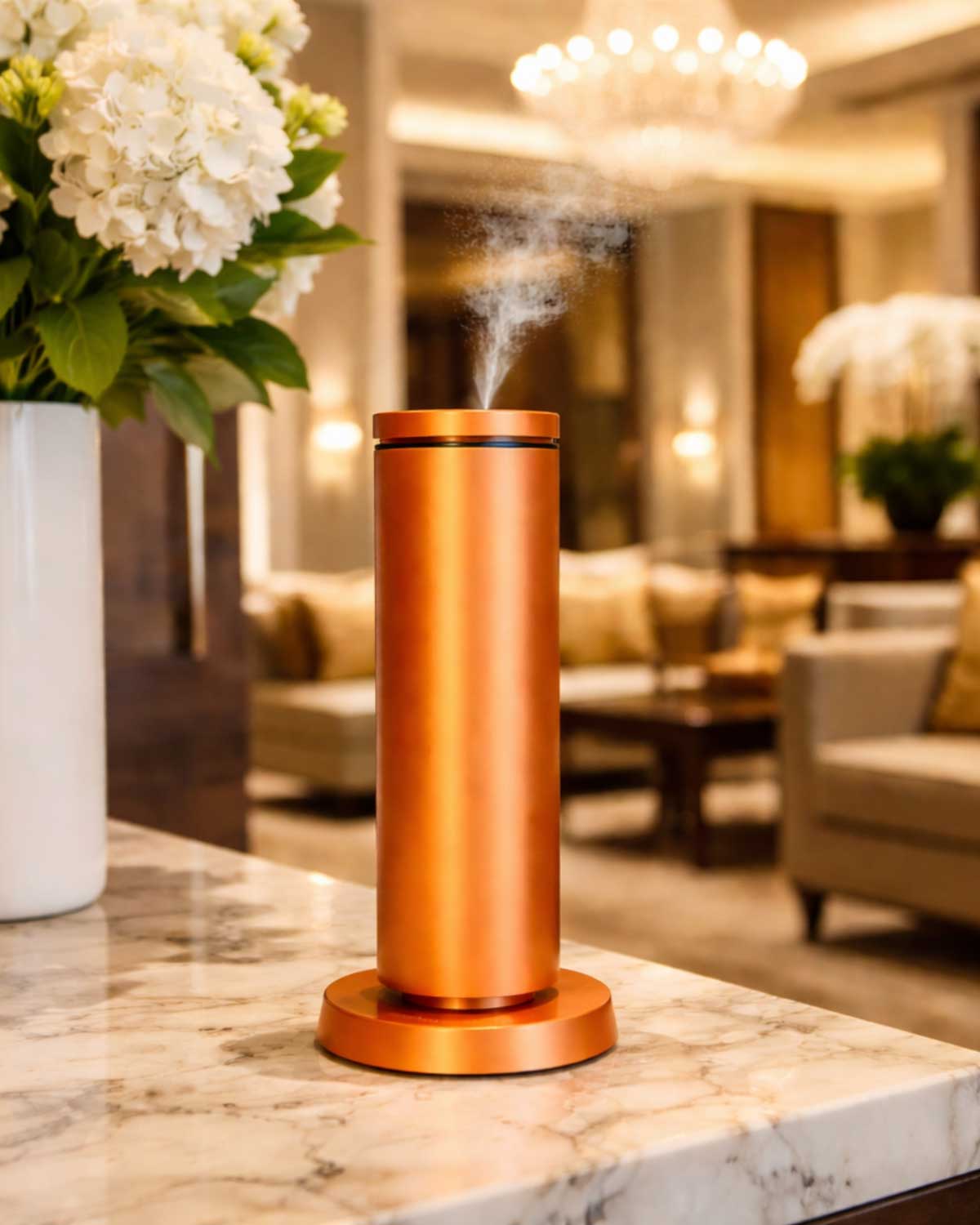
Scent diffuser in a hotel environment illustrating the need to match diffuser type to application
A hospitality application may need a different product format, maintenance plan and scent-output strategy from a home or automotive diffuser. Start with the end-use rather than the housing colour.
AromaLeap private-label diffuser lineup showing different waterless and diffuser formats

Step 2

Compare Suppliers Using the Same Written Specification

A low quotation is not useful if it describes a different battery, housing material, atomization mechanism, oil bottle, accessory set or packaging standard. Before comparing suppliers, create one specification sheet and ask each supplier to confirm it line by line.

  • Exact model or agreed reference sample
  • Housing, finish and visible materials
  • Oil pathway, bottle/reservoir and atomization method
  • Power supply, battery, cable and adapter configuration
  • Operating modes, buttons, timers and indicators
  • Accessories, manual, labels and retail packaging
  • Required destination-market documents
  • Inspection standard and approved appearance limits
Useful supplier question: “Which parts of this specification are standard for this model, and which parts require customization or new tooling?” The answer helps separate easy private-label changes from genuine OEM/ODM development.
Supplier Check What to Ask Why It Matters Evidence / Output
Product definition What atomization system, oil path and power configuration does the exact model use? Prevents visually similar products being compared as if they were technically identical. Specification sheet + sample
Oil compatibility Can the intended oil/formulation be tested before bulk approval? Viscosity and residue can affect output, cleaning and long-term performance. Sample test record / approved combination
Customization Which logo, finish, colour, control and packaging changes are available on this model? Stops “OEM” from being used as a vague promise. Artwork, colour reference, sample
Quality control Which functional and appearance checks apply before shipment? Creates measurable acceptance criteria. Inspection checklist / approved specification
Documentation Which current reports or declarations cover this exact configuration? Documents can depend on adapter, battery, wireless functions and market. Applicable document list
Repeat supply How will the approved configuration be controlled on future orders? Reduces unexpected component, finish or packaging changes. Approved sample + version-controlled specification

Step 3

Approve the Sample With the Oil You Plan to Sell

Do not approve a waterless diffuser based only on appearance. The diffuser and the intended oil should be evaluated as a working combination before bulk production.

  • Start-up and output consistency
  • Oil draw, residue and leakage
  • Operating sound and vibration
  • Buttons, modes, indicators and charging
  • Refill access and cleaning procedure
  • Appearance, finish and assembly
  • Retail packaging and accessory protection

Bulk liquid sourcing is a separate commercial task. AromaLeap's diffuser oil wholesale page covers fragrance-oil supply, while this guide focuses on evaluating equipment and the final diffuser/oil combination.

Stock Sample

Useful for checking the basic product structure, size, functions and general performance before customization.

Oil Compatibility Test

Use the actual essential oil or diffuser-oil formulation whenever possible, because similar-looking liquids may atomize differently.

Logo / Colour Sample

Confirm branding position, colour direction, finish and appearance limits before mass production.

Packaging Sample

Check box dimensions, inserts, manuals, labels, barcodes, accessories and product protection as a complete retail set.

Golden Sample

Keep the final approved reference together with the written specification and artwork for bulk inspection and repeat orders.

Step 4

Freeze Private-Label Details Before Bulk Production

The useful materials you already developed for this page belong here: not as another generic “we do OEM” sales block, but as a buyer checklist for what must be confirmed before approval.

Private-label diffuser logo customization example

Logo & Brand Marking

Confirm the logo file, size, position, application method, colour and acceptable alignment. Do not approve “logo customization” only in an email sentence.

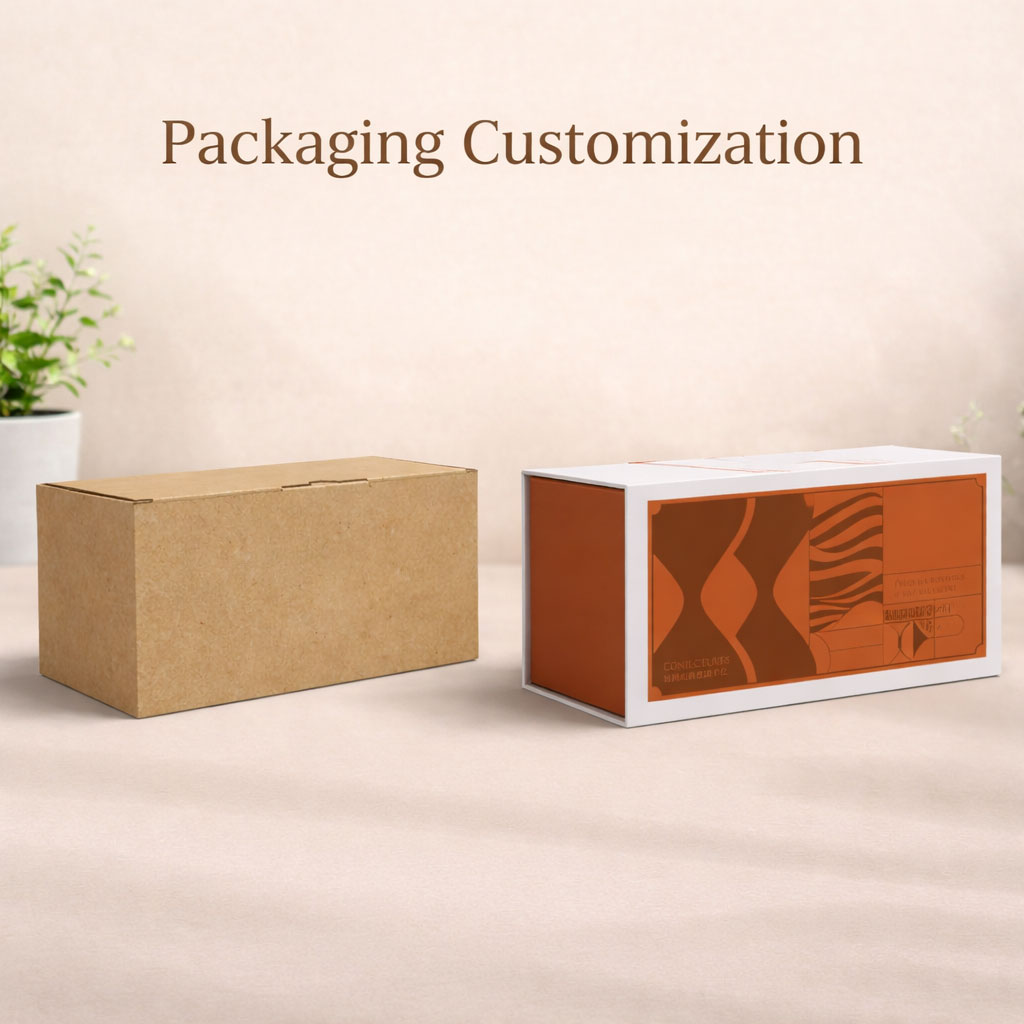
Waterless diffuser private-label packaging customization example

Retail Packaging

Freeze the dieline, artwork, insert, manual, labels, barcode placement, accessory list and master-carton requirements before production.

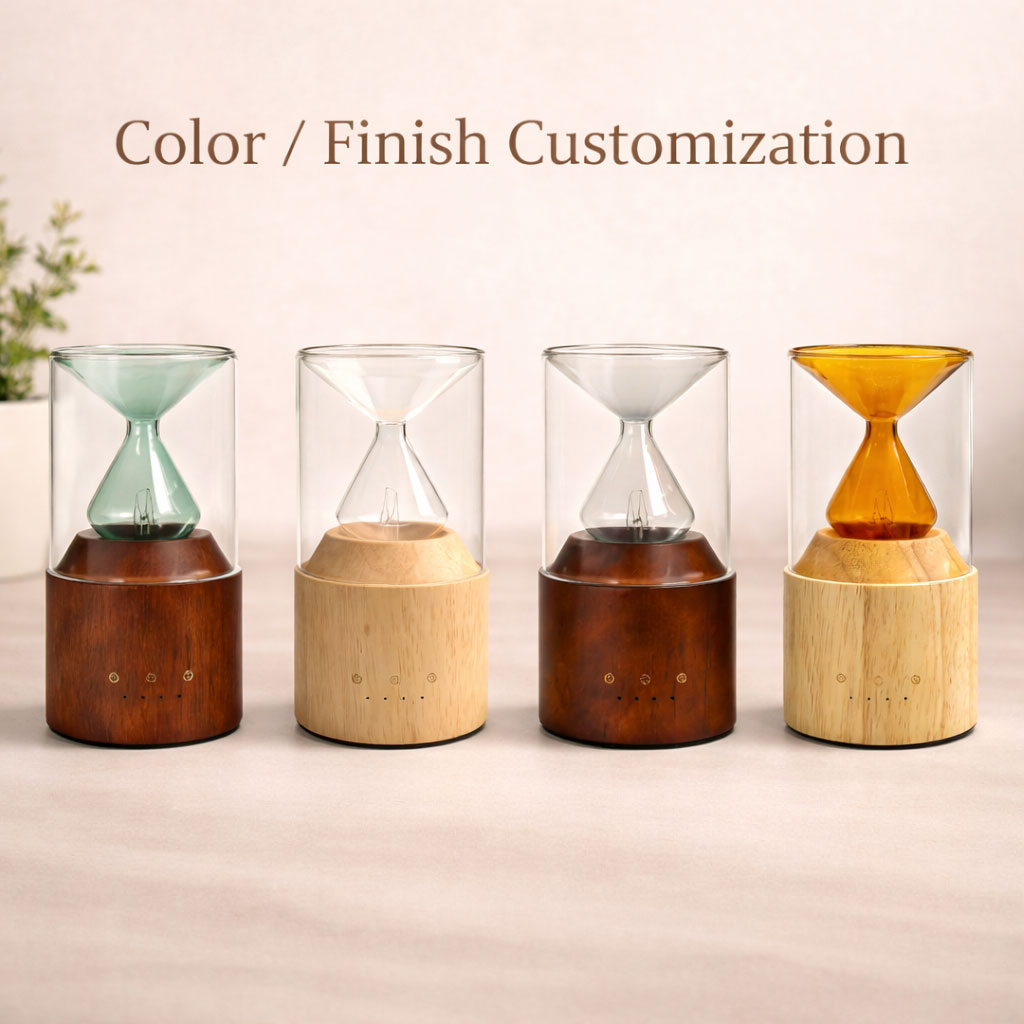
Nebulizing diffuser colour and finish customization options

Colour & Finish

Use an approved physical or agreed colour reference where possible, especially for wood-look, coating, glass colour and textured finishes that can vary visually.

Deeper development? If the project changes the housing structure, atomization system, electronics, moulds or functions rather than only branding/packaging, use AromaLeap's custom diffuser OEM/ODM service as the relevant commercial page.

Step 5

Control the Project From RFQ to Repeat Order

The goal is not to add bureaucracy. It is to ensure that the quotation, sample, purchase order, production unit and repeat order all describe the same approved product.

Send One Clear RFQ

Include application, model/reference, oil type, market, quantity range, branding, packaging, destination and required documents.

Confirm the Proposal

Compare the exact specification, not only unit price. Identify standard parts, custom changes and any tooling separately.

Approve Samples

Test functions and oil compatibility, then approve logo, colour, accessories, packaging and user instructions.

Freeze the Specification

Issue the final specification and approved artwork. Record any agreed tolerances or appearance references.

Inspect Before Shipment

Check functional performance, appearance, packaging, quantities and relevant documents against the agreed references.

Protect Repeat Supply

Reuse the approved sample, specification and artwork; review any component, document or packaging changes before repeating production.

Step 6

Confirm Documents, MOQ and Lead Time by Exact Configuration

Waterless diffuser projects should not use a universal compliance promise. Required reports and declarations can depend on the exact diffuser, adapter, battery, wireless functions and destination market. Confirm what applies to the final approved model before production.

  • MOQ: confirm after the model and customization scope are fixed.
  • Sample timing: stock, logo, colour, packaging and engineering samples follow different routes.
  • Production timing: depends on quantity, customization, components, artwork approval and factory schedule.
  • Documentation: confirm the exact model/configuration covered by each current report or declaration.
  • Shipping: review battery, adapter, packaging, carton and destination requirements before booking freight.
Do not copy documentation from a similar-looking model. Ask which product code and configuration the evidence actually covers.
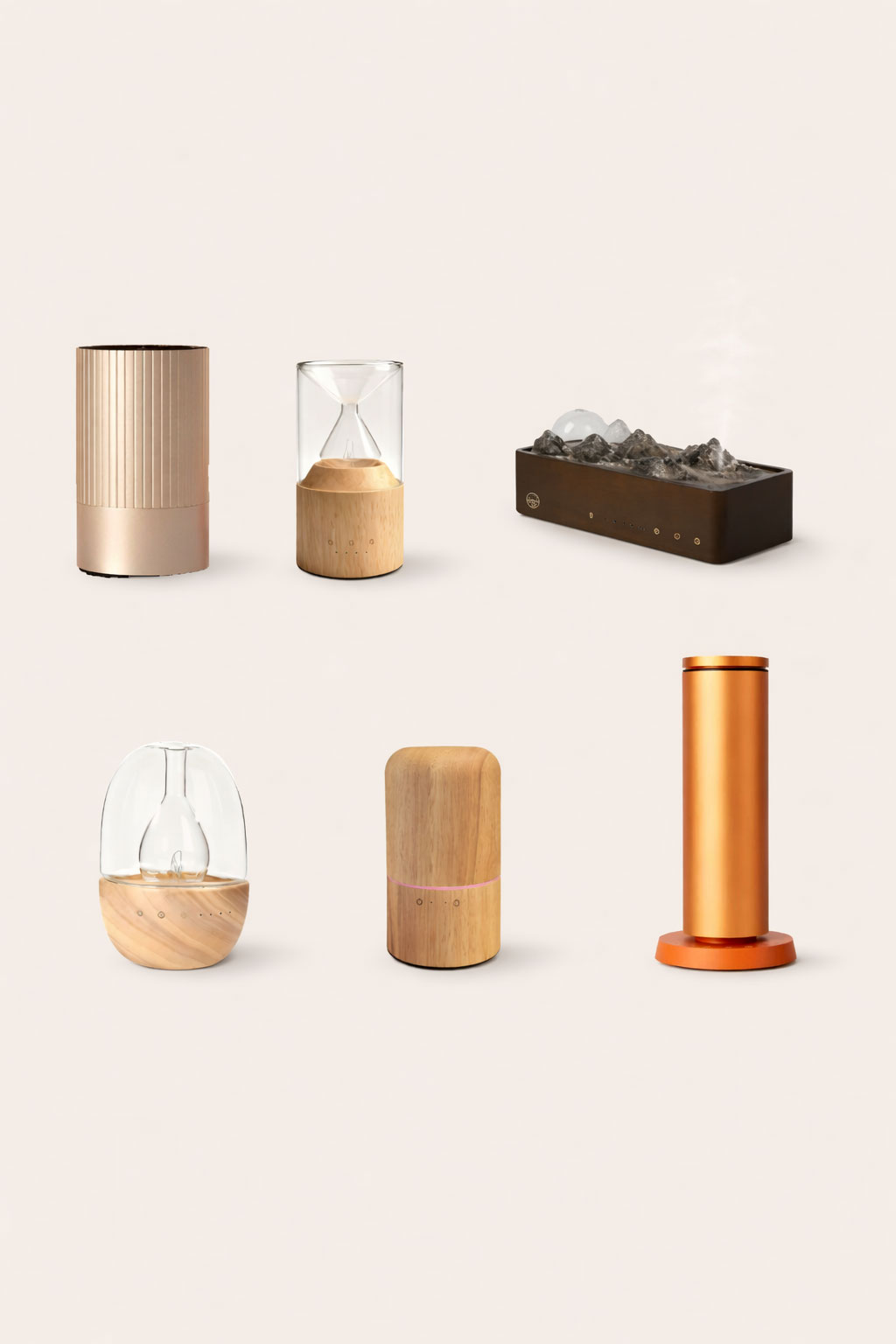
Different AromaLeap diffuser configurations illustrating model-specific sourcing requirements
Different housings, glass structures, batteries, power systems and controls can create different sourcing and documentation requirements—even inside one broader product category.

Risk Reduction

Common Waterless Diffuser Sourcing Mistakes

Comparing price before comparing specifications

Two visually similar diffusers may use different internal components, materials, accessories or packaging.

Calling every direct-oil diffuser “nebulizing”

This can create incorrect product positioning and confuse buyers about the actual atomization technology.

Testing with the wrong oil

A sample can appear satisfactory with one liquid but behave differently with the fragrance formulation intended for sale.

Approving branding but not the complete retail set

Manuals, inserts, cables, bottles, labels and cartons can create problems even when the logo itself is correct.

Assuming certificates cover every model

Adapters, batteries, electronics and wireless functions can change which evidence applies to a product configuration.

Failing to keep a repeat-order reference

Without an approved sample and version-controlled specification, future orders are harder to compare against the original approval.

Buyer Questions

Waterless Diffuser China Sourcing FAQs

Questions worth resolving before selecting a supplier or approving bulk production.

How should I compare waterless diffuser suppliers in China?
Use one written specification for every supplier. Compare the atomization system, oil path, power configuration, materials, controls, accessories, packaging, quality checks, documentation and repeat-order controls rather than comparing unit price alone.
What should I include in a waterless diffuser RFQ?
Include the target application, preferred model or reference, intended oil, destination market, estimated quantity, power requirements, controls, branding, packaging, required documents and any important appearance or performance requirements.
Should I test my own diffuser oil before bulk production?
Yes. The actual oil or fragrance formulation should be tested whenever possible because viscosity, composition and residue can affect atomization, oil draw, cleaning and long-term performance.
Is a nebulizing diffuser the same as every waterless diffuser?
No. Nebulizing diffusers belong to the wider waterless category, but other direct-oil products can use different bottle-fed, enclosed or micro-atomization systems. Verify the mechanism before using “nebulizing” as the product name.
What samples should I approve for a private-label project?
The appropriate sequence depends on the project, but buyers may need a stock functional sample, oil compatibility test, logo or colour sample, packaging proof and a final approved reference sample before bulk production.
What determines the MOQ for a waterless diffuser?
MOQ can depend on the model, component availability, housing/finish, logo method, packaging, accessories, colour requirements, tooling and the overall customization scope. Confirm it after the exact configuration is defined.
How should I confirm certifications and product documents?
Ask which exact model and configuration each current report or declaration covers. Adapter, battery, wireless functions and destination market can change the evidence required for the final product.
How can I reduce variation on repeat orders?
Keep the approved sample, final specification, artwork, oil reference and packaging files under version control. Review any proposed component, document, finish or packaging changes before approving the repeat order.


Ready to Move From Research to Sourcing?

Send AromaLeap a Clear Waterless Diffuser Brief

If you already know the intended product format, market, oil type, estimated quantity and customization scope, move from this guide to the main commercial waterless diffuser page or send the project brief directly.