
A fragrance can smell excellent from the bottle and still disappoint once it is mixed with wax. It may produce a strong cold throw but very little scent when the candle burns. It may work beautifully in one soy wax and behave quite differently in coconut, paraffin, or another wax blend.
This is why professional buyers should not select candle fragrance oil by aroma alone. The fragrance must be tested with the actual wax, wick, vessel, colour, fragrance load, and production method that will be used for the finished candle.
Buying candle fragrance oils wholesale can improve pricing and supply stability, but the larger advantage is repeatability. A candle brand needs the fragrance delivered next season to smell and perform like the fragrance approved today.
This guide explains how to test samples, compare suppliers, request the right documents, develop custom scents, and prepare for a bulk order without learning every lesson through an expensive production mistake.
The obvious reason to buy fragrance oil in larger quantities is price, but experienced buyers usually care just as much about consistency and availability.
Once a candle has been photographed, labelled, promoted, and supplied to retailers, changing its fragrance is rarely simple. Even a small difference between batches may affect how customers recognise the product.
Buying from an established fragrance supplier gives the candle maker a defined product specification and batch reference. This makes it easier to investigate changes in colour, aroma, viscosity, or candle performance if a later production batch behaves differently.
Seasonal collections often need to be produced months before the selling season begins. Buyers should therefore confirm raw-material availability, normal production time, packaging format, and whether the same fragrance can be supplied for future repeat orders.
A low price per kilogram is helpful, but it is only one part of the cost. Buyers should also consider sampling, testing, packaging, freight, import charges, storage, and the amount of fragrance required to achieve acceptable performance in the finished candle.
Wholesale projects may begin with an existing fragrance, a modified version of a standard scent, or a fully custom formula. The right route depends on budget, launch timing, required exclusivity, and how different the finished scent needs to be from products already on the market.
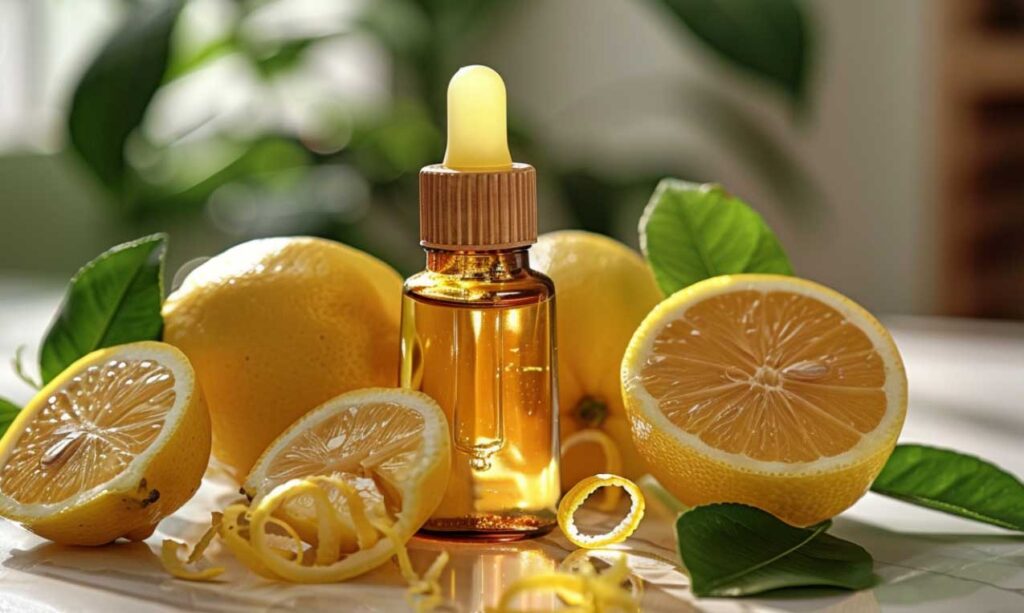
The most useful fragrance sample is not the one that smells strongest on a blotter. It is the one that performs well in your finished candle and can be reproduced consistently in production.
Use the wax, wick, vessel, dye, fragrance percentage, and production method planned for the commercial product. Changing one part of the system can change the way the candle burns and releases fragrance.
A fragrance that performs well in paraffin wax may need a different test process in soy, coconut, beeswax, or a proprietary wax blend.
There is no single fragrance-addition temperature or fragrance percentage that is correct for every wax. Start with the wax manufacturer’s recommended temperature and maximum fragrance capacity, then adjust only through controlled testing.
Do not automatically use the highest fragrance percentage the wax can hold. More fragrance does not always produce a stronger candle, and an overloaded formula may create sweating, poor combustion, wick problems, or inconsistent scent performance.
Measure wax and fragrance by weight rather than by drops or volume. Record the batch size, fragrance percentage, mixing temperature, stirring time, pouring temperature, wick, vessel, and cure period.
Without written records, it is surprisingly easy to create one excellent test candle and then discover that nobody can reproduce it.
Jojoba oil, almond oil, and other carrier oils are commonly used in personal-care or perfume-oil products, but they should not be added to a candle formula as a general fragrance-dilution method.
Any additional oil may affect wax compatibility, wick performance, combustion, and fragrance release. Use a candle-approved fragrance and follow the technical guidance supplied for the fragrance and wax.
Give the finished candle the recommended cure time before judging scent performance. Evaluate both cold throw and hot throw, and avoid approving a bulk fragrance order from the bottle aroma alone.
A proper test should examine flame behaviour, melt-pool development, soot, mushrooming, vessel temperature, wick stability, fragrance throw, and the condition of the candle as it burns toward the bottom of the container.
Repeat the test whenever you change the fragrance, wax, wick, vessel diameter, dye, fragrance percentage, or another important part of the formula.

A long fragrance list is useful, but it does not tell you whether the supplier can support a commercial candle project. Buyers also need application knowledge, batch control, documentation, sample support, and reliable communication when something does not perform as expected.
A fragrance used in soap, perfume, or reed diffusers is not automatically the best choice for candles. Ask whether the fragrance has been evaluated in wax and whether the supplier can recommend suitable starting points for testing.
Choose a manageable group of fragrances based on your collection rather than requesting dozens of unrelated samples. Test each one in the same candle system and use a simple scorecard for cold throw, hot throw, scent character, wax appearance, and burn performance.
Depending on the product and destination market, buyers may need an SDS, COA, product specification, allergen information, and an IFRA Certificate of Conformity for the intended application.
An IFRA document helps communicate conformity with the relevant fragrance standards, but it does not replace the finished-product manufacturer’s safety responsibilities or local regulatory requirements. :contentReference[oaicite:3]{index=3}
Ask how batches are identified, which quality checks are completed, how long the fragrance is normally available, and what happens if a raw material changes. For important products, retain an approved sample from the batch used during development.
The quotation should state the fragrance name or code, quantity, price, packaging, sample charges, MOQ, lead time, payment terms, documentation, and delivery terms. A cheap quotation with unclear specifications can become an expensive conversation later.
Buyers can review AromaLeap’s candle fragrance oils wholesale range before requesting samples for wax testing.

A custom fragrance project works best when the brief describes the customer and the product—not only a list of favourite fragrance notes.
“Vanilla, rose, and sandalwood” gives the perfumer three materials. “A warm evening fragrance for a premium hotel gift candle, elegant rather than sweet, with a retail price above $40” gives the development team a direction.
Include the target customer, intended market, wax type, vessel size, expected retail price, fragrance strength, launch season, and words that describe the desired mood.
It is also useful to explain what the fragrance should avoid. A buyer may want a floral scent that is clean rather than powdery, or a gourmand scent that feels sophisticated rather than sugary.
There are several practical development routes:
An original formula may require more sample rounds, development time, and a higher MOQ. For a fast seasonal launch, modifying a proven fragrance may be the more sensible choice.
Feedback such as “I like sample two” is not enough for final approval. Explain how the fragrance behaves in the candle: whether the opening is too sharp, the floral heart disappears, the base becomes too sweet, or the hot throw is weaker than expected.
That kind of feedback gives the fragrance team something useful to adjust.
Brands requiring a signature scent can review AromaLeap’s custom fragrance development process.
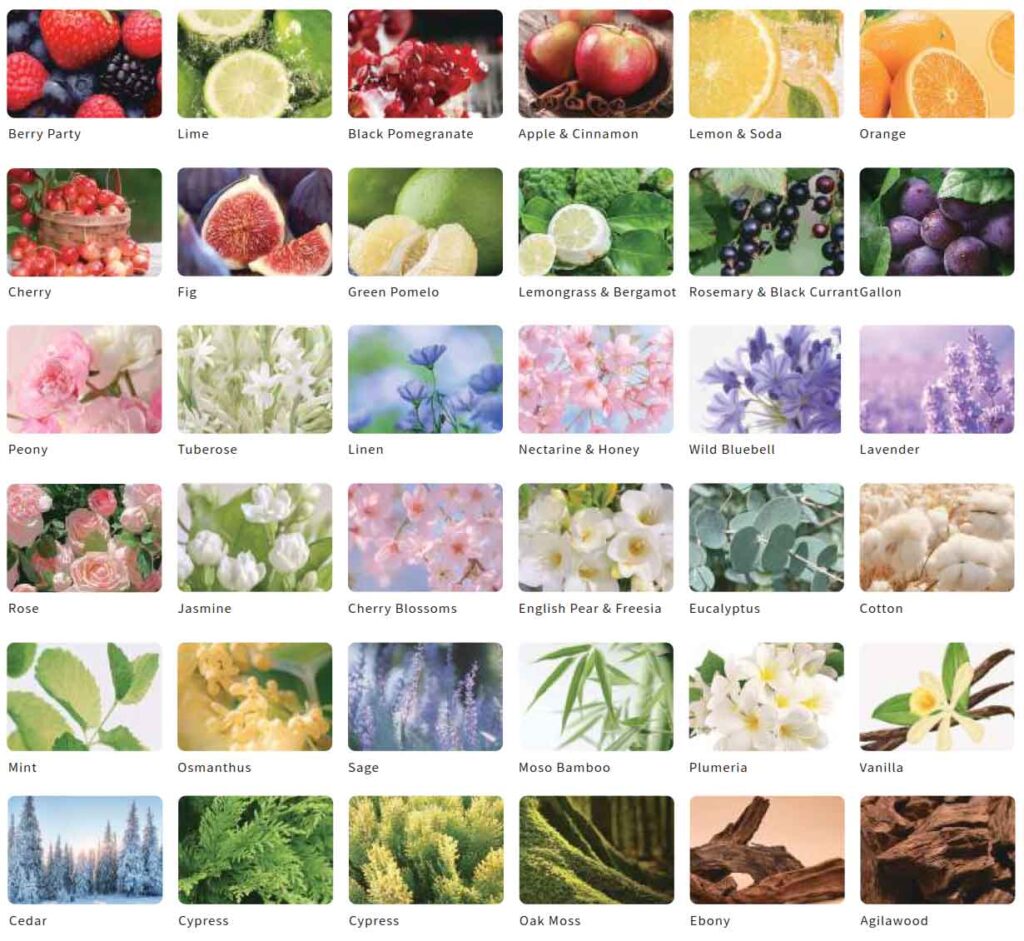
A strong candle range does not need twenty fragrances at launch. In many cases, a smaller collection with a clear purpose is easier to test, explain, merchandise, and reorder.
A balanced opening collection might include one fresh scent, one floral, one woody fragrance, one gourmand, and one relaxing or spa-inspired option. This gives customers genuine choice without making the range feel random.
Core fragrances should be suitable for repeat orders throughout the year. Seasonal scents can create urgency, but they also require earlier forecasting because the selling period is short.
Confirm seasonal fragrance availability and production timing well before the finished candles need to reach retailers.
Two fragrances may both smell attractive but compete for the same customer. Before approving a scent, decide what it contributes to the collection.
It may be the clean everyday fragrance, the evening scent, the gift-friendly option, the premium signature product, or the limited seasonal release. If every candle has a clear role, the collection becomes easier for retailers and customers to understand.
A fragrance name creates an expectation before the candle is opened. The name, packaging, colour, and scent should tell the same story.
Beautiful but vague descriptions may sound luxurious while leaving the customer unsure what the candle actually smells like. Use emotional language, but give enough scent information to make the purchase feel safe.
The best candle fragrance oil is not necessarily the strongest fragrance or the most unusual scent in the sample box. It is the fragrance that fits the brand, performs reliably in the chosen candle system, and can be supplied consistently as the business grows.
Test with the real wax, wick, vessel, and production method. Keep accurate records. Request the relevant documents. Confirm the commercial details before moving from a sample to a bulk order.
A little more discipline during development usually means fewer surprises during production—and far fewer awkward conversations after the candles reach customers.
Businesses that prefer to source the completed product rather than manufacture it themselves can also explore AromaLeap’s wholesale scented candle manufacturing service.
Tell us your wax type, target market, preferred fragrance direction, estimated order quantity, packaging requirements, and required documentation. AromaLeap can recommend existing candle fragrances or help develop a custom scent for your collection.
AromaLeap is based in China and was founded in 2010. It is engaged in the professional design and manufacturing of essential oils, fragrance oils, and diffusers. With ISO certifications and two subsidiaries, our focus is on eco-friendly, long-lasting products.