
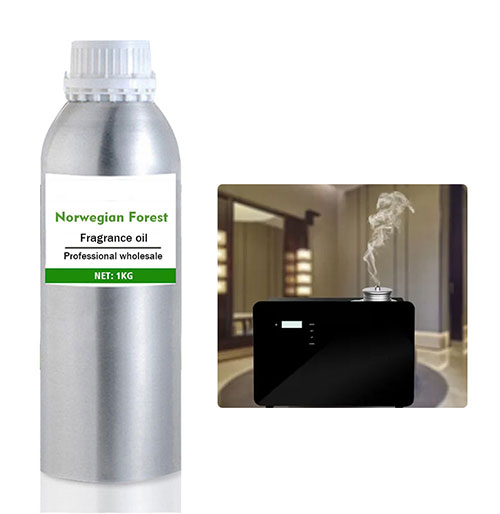
Identify the finished product and base first. Request the selected fragrance’s use information and relevant documents, define a trial with your formulation or production team, and approve the result in that product before ordering in bulk.
Identify the Product Before Using the Fragrance
A fragrance oil is a formulated scent material. Its composition and intended applications vary, so its name alone cannot establish how it should be incorporated into a finished product.
Start with the product category and the actual base or process. Soap, a surface cleaner, a candle and a diffuser use different systems and need their own evaluation. A successful sample in one is not approval for all the others.
| Your application | What to identify first | Use this route |
|---|---|---|
| Wick candle | Wax, wick, vessel, production method and fragrance-use guidance. | Candle fragrance oil supply |
| Reed diffuser | Fragrance concentrate or finished refill, base, bottle, reeds and intended use. | Diffuser oil supply |
| Waterless or commercial scenting | Exact machine model, approved liquid requirements, operating settings and cleaning instructions. | Waterless diffuser oil |
| Bar soap or liquid hand wash | Soap process, formulation/base, intended use and market-specific requirements. | Soap fragrance oils |
| Cleaner or laundry product | Product type, base, use conditions and the scent stage your team will evaluate. | Send a cleaning-product brief |
Read the Information for the Exact Fragrance
Link the supplier’s proposed fragrance to its name or code. Ask what intended-use information, specification and safety data are available for that material. Check the scope against the finished product your team plans to make.
Review fragrance-specific conformity information for the intended use where relevant. IFRA explains that a Certificate of Conformity applies to a specified intended use, is supplied by the fragrance-mixture supplier and does not replace a safety assessment. See the official IFRA guidance.
Use information for the selected material rather than copying a percentage from an unrelated recipe. A use limit is not automatically the optimum working level for scent, processing or appearance.
Evaluate a Small, Identifiable Sample in the Base
Let the formulation or production team define the appropriate sample preparation, controls and evaluation conditions. Record the fragrance code, base identity, process, trial date and what changed between comparisons.
For soap, evaluate the relevant processing behavior, appearance and scent. For a cleaner, review the formulation and intended use stage. Candle and diffuser performance need their own procedures.
| Record | Useful details |
|---|---|
| Fragrance identity | Supplier reference, sample code and version or batch identifier where provided. |
| Product and base | Finished-product type, base/formula version and process or device model. |
| Trial preparation | Trial quantity, formulation-team-approved working level, the calculation basis and relevant processing conditions. |
| Evaluation conditions | The agreed timing, use stage and comparison method for scent, appearance and relevant product behavior. |
| Decision and feedback | Results against agreed criteria, requested changes, approval status and the next sample reference. |
Compare trials under the same agreed conditions. Link every preference or requested change to an identifiable sample and base version.
Why There Is No Universal Fragrance Percentage
The appropriate working level depends on the exact fragrance, finished-product category, applicable requirements and formulation. Compatibility and desired scent performance also matter.
A suggested percentage for one fragrance or product is not a general manufacturing recipe. Review the selected material’s intended-use information, the base or equipment supplier’s instructions where relevant, and the results in your actual finished product.
Confirm what a percentage is calculated against: the finished-product mass, wax mass or another stated basis. IFRA quantitative restrictions are expressed for the finished consumer product; a working formula may also use a different basis, so keep the calculation and comparison clear.
A permitted maximum and a suitable working level answer different questions. Ask your formulation team to define the trial level within the applicable requirements, then evaluate scent, processing and finished-product behavior.
Compare Fragrance Character Separately From Performance
A bottle impression helps describe the scent direction. It does not show every finished-product result. Keep preference, processing and appearance observations distinct so your supplier can understand the adjustment you want.
A short comment such as “prefer Trial B’s citrus character; Trial A changed the appearance of our base” is useful when both trials have known identities and comparable evaluation conditions.
If you are deciding between plant essential oils and formulated fragrance materials, read the existing essential oil versus fragrance oil application guide. Confirm the actual product’s suitability separately.
Keep Handling, Storage and Order References Clear
Use the supplier’s current instructions and safety data for the selected fragrance. Confirm compatible containers, storage conditions and any stated shelf-life information rather than assuming that every oil has the same requirements.
Label samples clearly and keep their identities with the trial and purchasing records. Confirm container compatibility, storage conditions and shelf-life information for the selected fragrance through the supplier’s instructions and current safety information.
Before a bulk order, agree the fragrance reference, quantity, container, label scope, timing and delivery terms. The fragrance oil manufacturer page provides the broader supply and packaging route.
Turn the Application Into a Simple Enquiry
- Company name and destination market
- Finished-product type and base or device
- Preferred fragrance family, reference or sample code
- Estimated order quantity and packaging requirements
- Required documents and target timing, if known
Begin with the application, scent direction, estimated quantity and destination. Add a base or packaging summary if available; further technical details can follow during sampling.
How much fragrance oil should I use?
Confirm the exact fragrance, finished-product category and calculation basis. Review the relevant use information and requirements, then have your formulation team define and evaluate an appropriate working level in the actual product.
Can I use one fragrance oil in soap, candles and cleaners?
Review each intended application for the exact fragrance. A sample approved in one base or system does not automatically approve its use in another.
Can a bottle smell test replace finished-product evaluation?
Use the bottle impression to shortlist scent directions. Evaluate the selected fragrance in the actual base, process and intended use before approving its performance in the finished product.
Can fragrance oil be mixed directly with water?
Confirm the formulation and preparation requirements for the specific fragrance and water-based product. Ask your formulation team to review compatibility and appearance in the actual base instead of assuming that the name “fragrance oil” defines a mixing method.