1. Diffuser Model
Identify the exact model or system, including whether it is bottle-fed, reservoir-based, nebulizing, enclosed cold-air or connected to a larger scenting setup.

Source fragrance oil for waterless, cold-air and other direct-oil aroma systems with B2B support for fragrance selection, machine compatibility review, samples, custom scent development, private-label packaging and repeat supply.
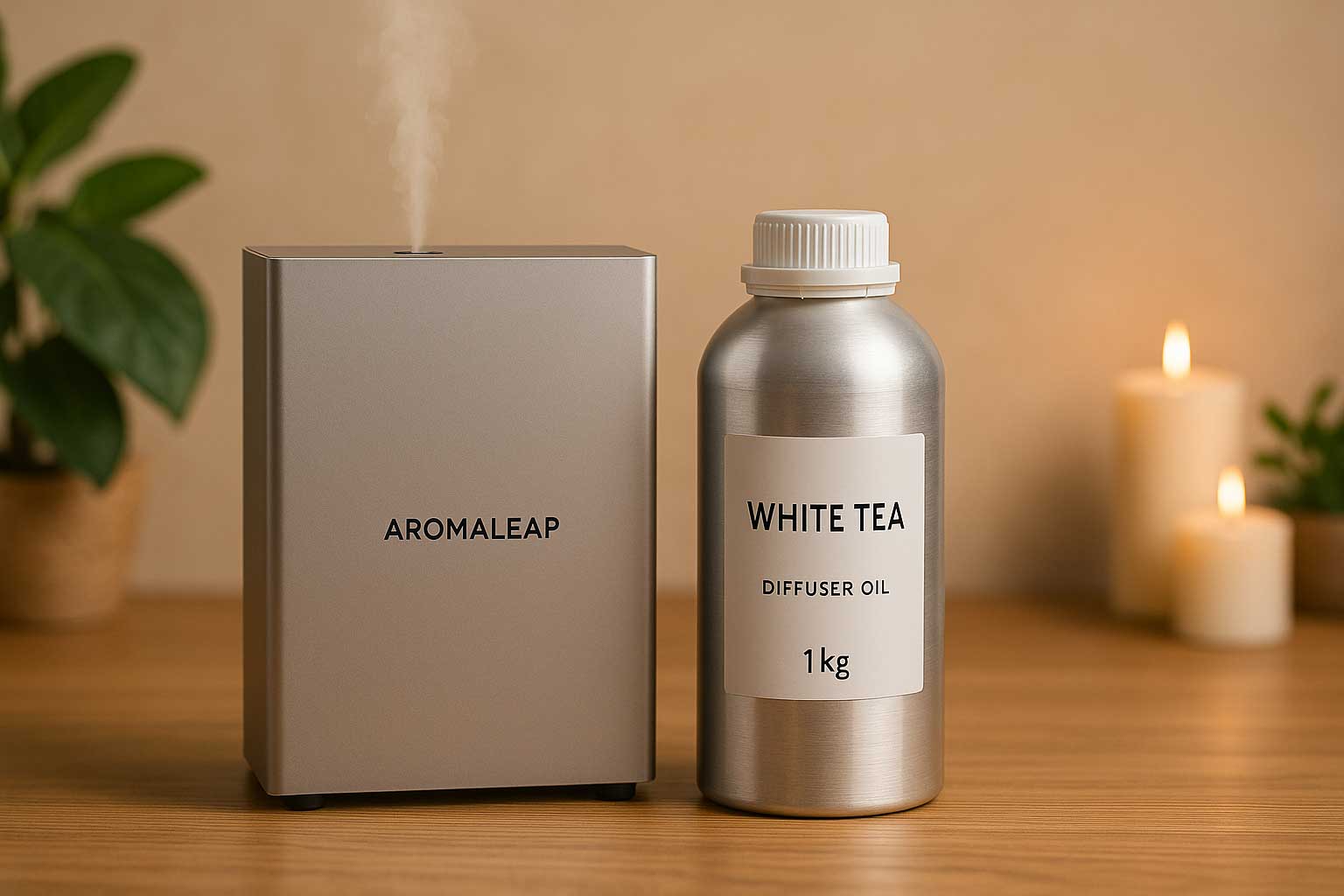
For this page, waterless diffuser oil means fragrance liquid being evaluated for a waterless, cold-air or other direct-oil scenting system. It is a liquid-supply page—not a diffuser-hardware page.
“Waterless” describes the diffusion system, not one universal fragrance formula. The device operates without adding water to a separate tank during normal direct-oil use, but the exact oil requirements still depend on the machine’s liquid pathway and atomization structure.
For general fragrance liquid supply across multiple diffuser technologies, use AromaLeap’s diffuser oil wholesale page. For equipment sourcing, use the waterless diffuser manufacturer page.
A fragrance can smell right and still be the wrong commercial choice if it is not evaluated in the intended equipment. Build the oil brief around the actual scenting system.
Identify the exact model or system, including whether it is bottle-fed, reservoir-based, nebulizing, enclosed cold-air or connected to a larger scenting setup.
Review the bottle, straw, hose, seals, nozzle or atomizer that the liquid passes through. The pathway can influence what needs to be tested.
Evaluate startup, oil draw, mist/output stability and scent performance with the actual fragrance planned for sale.
Observe residue and follow the machine supplier’s approved maintenance procedure. Cleaning frequency and acceptable liquids are model-specific.
Confirm the oil container, closure, bottle connection, refill process and downstream dispensing requirements before packaging is finalized.
State the destination country, sales channel and required documents early so current product-specific documentation can be checked before ordering.

In a waterless system, the fragrance liquid moves through the equipment without being diluted in a separate water tank during normal operation. That makes the machine–oil combination a purchasing issue, not an afterthought.
The oil contacts the bottle, straw, hose, seals, feed path or atomizer used by the selected system.
Properties such as viscosity, residue and ingredient profile can affect oil draw, atomization and maintenance.
Output and consumption depend on the exact machine, operating mode, placement and fragrance liquid used.
Keep the tested oil, machine model and agreed settings as a reference for bulk supply, instructions and repeat orders.
“Cold air,” “waterless” and “nebulizing” are related market terms, but they do not always describe the same internal structure. Confirm the actual hardware before approving an oil.
| System Type | What to Confirm | Recommended B2B Action |
|---|---|---|
| Bottle-Fed Waterless Diffuser | Bottle fit, cap/connection, straw or feed path, atomizer, oil draw, residue and model instructions. | Provide the exact diffuser model and planned bottle format, then test the selected fragrance with that configuration. |
| Enclosed Cold-Air Diffuser | Internal air/liquid pathway, nozzle or atomizer structure, operating settings, cleaning and supplier-defined liquid requirements. | Evaluate sample oil in the intended machine rather than assuming another cold-air unit uses the same requirements. |
| Nebulizing Diffuser | Air-driven atomization, oil draw, residue, glass/internal pathway, cleaning procedure and fragrance behaviour. | For hardware selection, use AromaLeap’s dedicated nebulizing diffuser page; for liquid supply, keep the project brief here. |
| Commercial / HVAC Scenting | Machine specification, connection method, oil container, installation environment, operating schedule and required liquid guidance. | Send the scent machine information and site/application details before sample selection or quotation. |
The same fragrance brief can lead to different supply decisions depending on the buyer, equipment and refill model.
For businesses supplying fragrance liquid into commercial scent machines where machine matching, refill logistics and repeat supply are central.
For hotel, spa, resort and serviced-space scenting programs that need a defined fragrance direction and practical replenishment plan.
For branded waterless-diffuser refill oils where fragrance, bottle, label, carton and customer instructions need to align.
For buyers building a repeat wholesale range and coordinating fragrance selections with one or more compatible diffuser models.
For waterless-diffuser sets, refill programs and scent collections where product presentation and clear compatibility guidance matter.
For projects requiring custom fragrance development, private-label packaging or a coordinated oil-and-diffuser sourcing discussion.
A useful private-label project begins with both sides of the brief: the fragrance identity you want and the direct-oil system that must use it.
Start from available scent directions and request a focused sample shortlist for the intended machine.
Share the target market, fragrance family, mood, reference direction and waterless application for development review.
Coordinate the approved container, closure, label artwork, carton and project-specific brand presentation.
Plan core, seasonal or hospitality scent programs with refill frequency and repeat purchasing in mind.
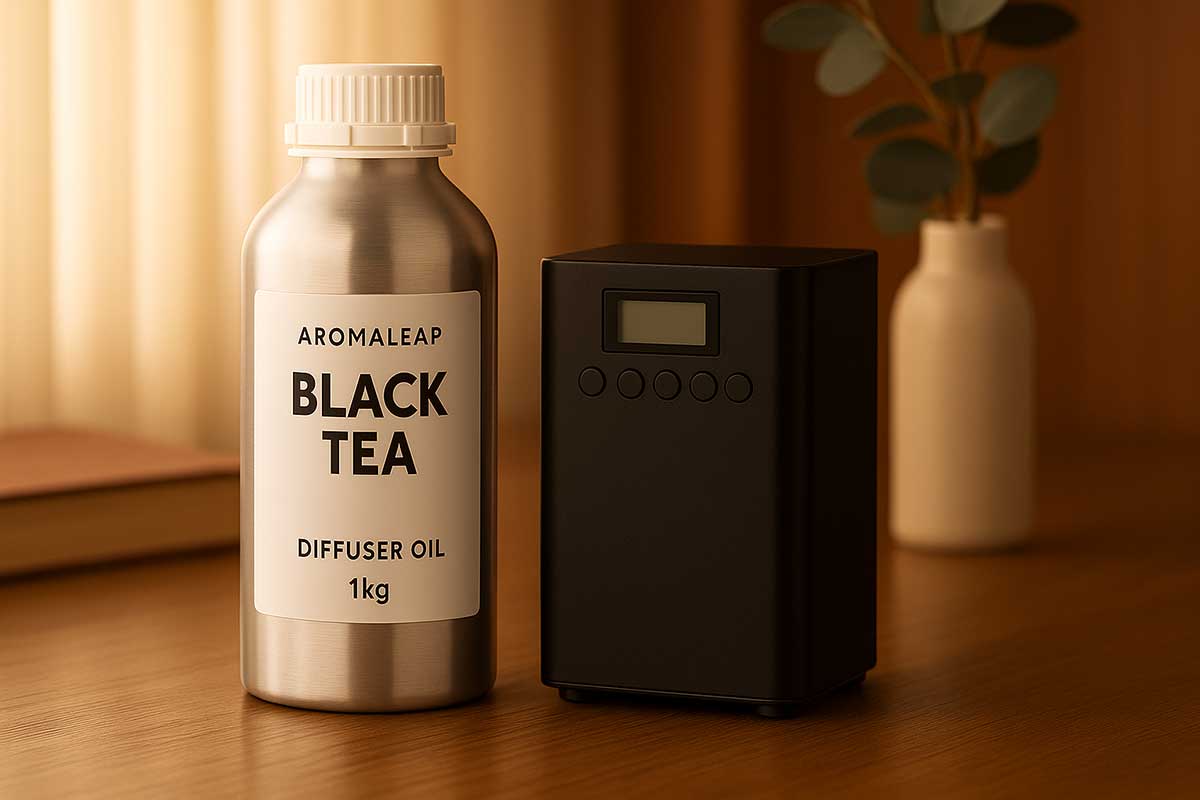
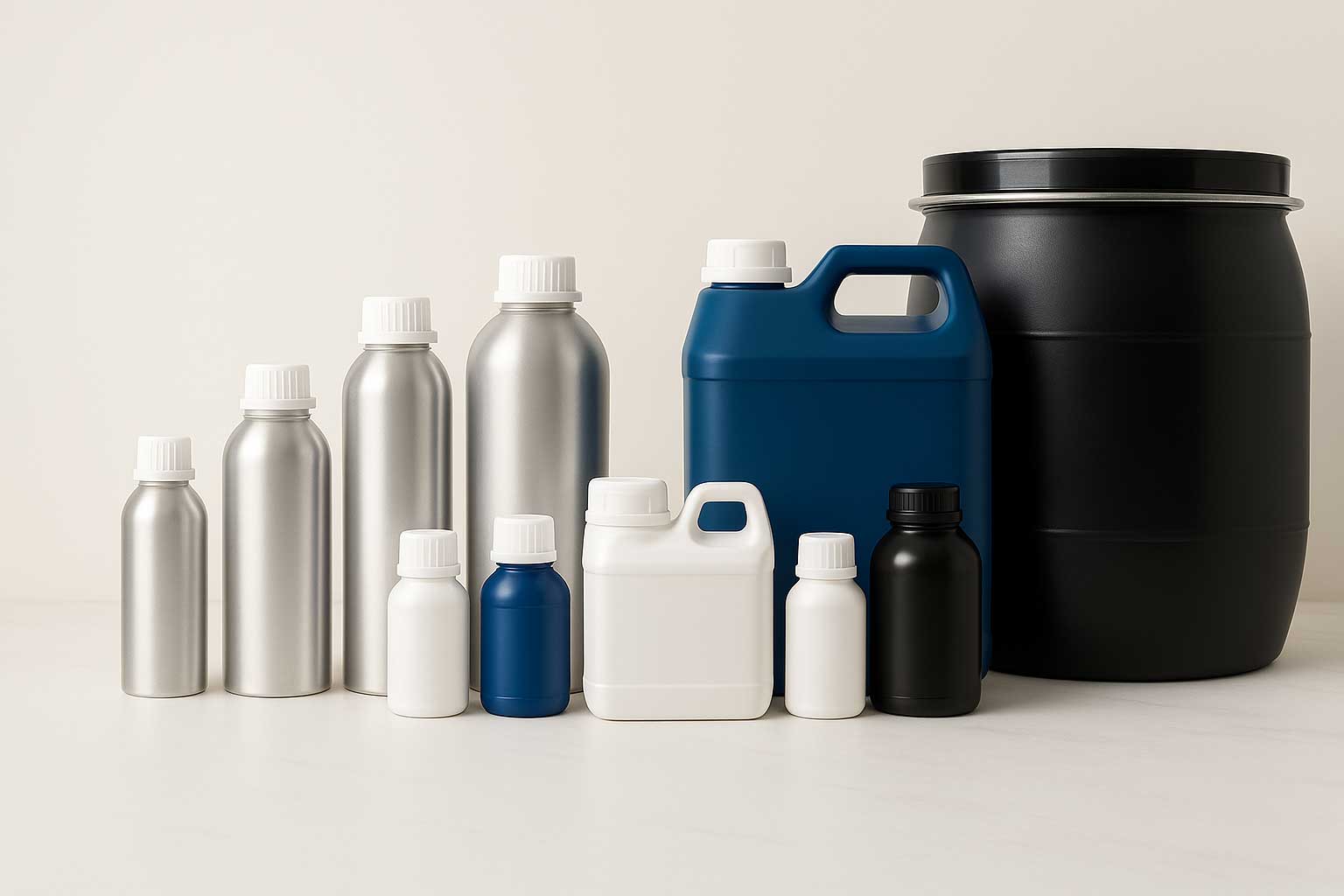
The sample stage should answer two questions at once: does the fragrance fit the market, and does the selected liquid perform acceptably in the intended waterless diffuser?
Consistent repeat supply starts with a clear commercial reference rather than a vague fragrance name.
Record the approved fragrance sample or reference and intended waterless application.
Record the diffuser model or system used for evaluation and any agreed operating or cleaning guidance.
Freeze the container, closure, label artwork, carton and protective packing requirements before production.
Confirm which product, transport or market documents are currently available for the exact item and destination before they are promised.
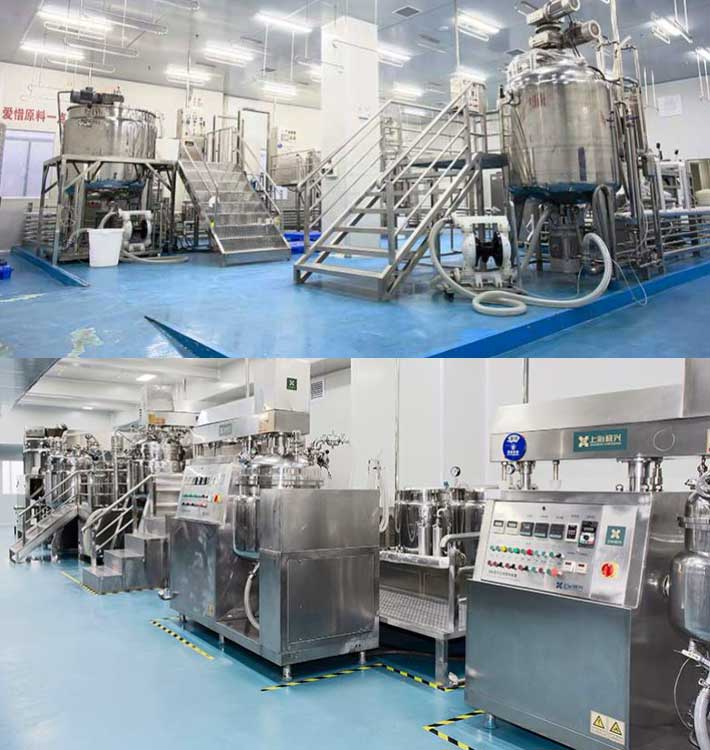
A five-step purchasing process keeps fragrance selection, machine compatibility, packaging and future reorders aligned.
Target market, diffuser model/system, fragrance direction, quantity range, destination and packaging needs.
Choose existing scent directions or start custom development, then arrange relevant fragrance samples.
Evaluate the intended oil with the intended waterless or cold-air machine where performance can be affected.
Approve fragrance reference, packaging, artwork, MOQ, documents, commercial terms and schedule.
Use approved references and order records as the control basis for production and future repeat supply.
There is no responsible universal number for every waterless diffuser oil project. Fragrance status, system testing, packaging, customization, quantity, documentation and shipping can all change the commercial plan.
Confirm after the fragrance, packaging format, private-label scope, customization and waterless application requirements are reviewed.
Confirm sample availability, quantity, preparation route, charges where applicable, machine-test needs and courier arrangements.
Confirm after fragrance selection or development, compatibility evaluation, packaging availability, artwork approval, volume and current scheduling are known.
State the destination market and required documents during quotation so current availability can be verified for the exact oil.
Keep the approved oil, machine reference, artwork and purchasing specification consistent while reconfirming material and packaging availability.
Review shipping route, Incoterm, packing, freight and destination restrictions for the actual order before shipment is finalized.
Use the oil pages for fragrance-liquid sourcing and the diffuser pages for hardware. This keeps each page useful to both buyers and search engines.
General diffuser fragrance-oil supply across broader aroma-diffusion applications.
View general diffuser oils →Hardware models, OEM/private label, equipment QC and direct-oil diffuser sourcing.
View waterless diffusers →Procurement guidance for comparing suppliers, samples, oil compatibility, documents and repeat orders.
Read the sourcing guide →Classic glass and selected air-driven nebulizing hardware for specialist direct-oil projects.
View nebulizing diffusers →For brands that need a tailored scent direction rather than an existing fragrance selection.
Review custom scent support →Broader B2B fragrance-oil manufacturing for diffusers and other finished-product applications.
Explore fragrance capabilities →Direct answers for brands, importers, distributors, hospitality buyers and commercial scenting companies sourcing fragrance liquid for direct-oil systems.
Waterless diffuser oil is fragrance liquid being supplied or evaluated for a waterless, cold-air or other direct-oil scenting system. “Waterless” describes the equipment’s normal operating method, not one universal oil formula. The exact liquid should be matched to the intended machine.
No universal compatibility should be assumed. The diffuser’s oil pathway, atomizer, bottle system, materials, operating settings and maintenance requirements can affect what liquid is suitable. Evaluate the intended fragrance in the intended machine before bulk approval.
Not exactly. General diffuser oil covers a broader fragrance-liquid sourcing intent across multiple diffuser applications. This page is narrower: it focuses on liquid projects where waterless, cold-air or direct-oil machine compatibility is an important purchasing requirement.
The terms overlap in the market, but cold-air machines can use different internal atomization structures. Use the exact equipment specification rather than relying only on the product label “cold air” when approving an oil.
AromaLeap can review a custom fragrance brief based on scent direction, target customer, market position and intended application. The actual development terms, compatibility evaluation, revisions, MOQ and timing should be confirmed for the project.
Sample evaluation is recommended. Share the diffuser model or scenting system, preferred fragrance direction, target market and application so the sample discussion is relevant. Sample quantity, timing, charges where applicable and courier arrangements should be confirmed before dispatch.
MOQ and lead time depend on the fragrance, whether custom development is needed, packaging format, private-label scope, quantity, documentation, compatibility evaluation and current production schedule. AromaLeap should confirm these after reviewing the project brief.
Document availability depends on the selected fragrance or formulation, product specification, destination market and current documentation status. Tell AromaLeap which documents you require so availability can be verified for the exact item before it is promised.
Tell AromaLeap which machine will use the fragrance, what scent direction you need, and how you want the oil supplied. A focused brief makes sample selection, compatibility review and quotation much more useful.