Waterless Diffuser Oil Compatibility Guide

What Oil Can You Use in a Waterless Diffuser?

The correct oil depends on the diffuser design. Some waterless diffusers are built for pure essential oils, some for compatible fragrance or diffuser oils, and some use a specified bottle or refill system. Do not assume that every oil labelled “essential oil,” “fragrance oil” or “diffuser oil” will work in every waterless machine.

A B2B compatibility guide for brands, importers, distributors, hospitality buyers and scenting companies.

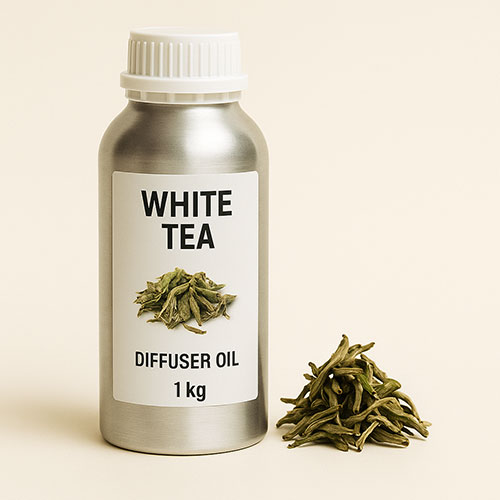
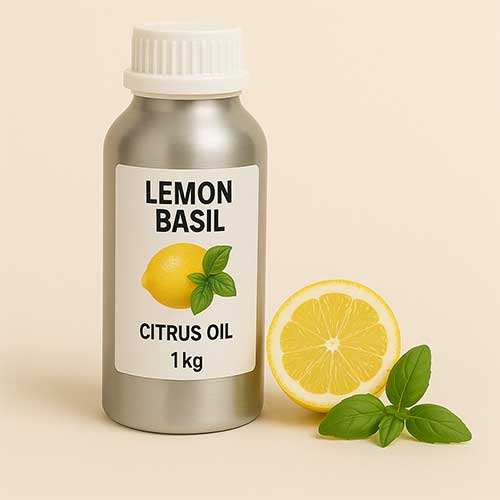
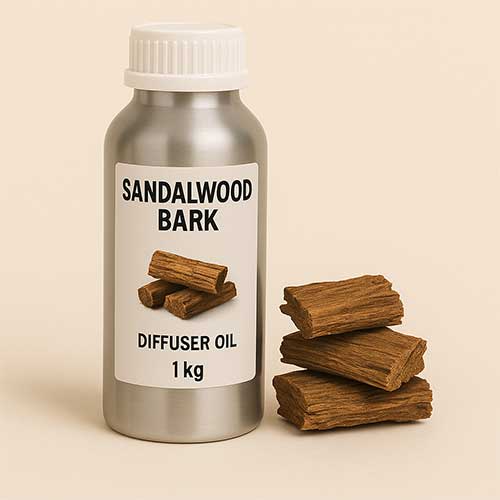
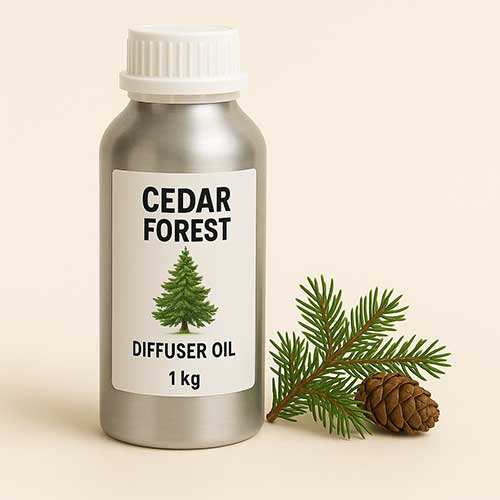
AromaLeap waterless diffuser with White Tea, Lemon Basil and Citrus, Black Tea and Cedar Forest diffuser oils
AromaLeap waterless diffuser and diffuser-oil range. The fragrance direction can be selected first, but final oil compatibility should still be checked with the exact diffuser model before bulk approval.
Short Answer

Use only an oil category that the exact waterless diffuser is designed to atomize. Depending on the model, that may be a pure essential oil, a compatible direct-oil fragrance formulation, a dedicated waterless diffuser oil, or a proprietary refill. Carrier-oil blends, topical oils, water-based liquids and improvised DIY mixtures should not be used unless the diffuser manufacturer explicitly approves them.

Compatibility at a Glance

Which Oils May Work in a Waterless Diffuser?

“Waterless” describes how the machine operates; it does not define one universal liquid formula. Start with the equipment specification, not the oil bottle marketing name.

Oil / Liquid Type Can It Be Used? What to Check B2B Recommendation
Pure essential oil Model-specific Confirm that the diffuser is designed for neat essential oil and check viscosity, residue and the atomization structure. Test the exact oil or blend in the exact diffuser model before bulk approval.
Waterless diffuser oil Often relevant Confirm formulation compatibility, bottle/refill fit, atomization, residue and cleaning requirements. For B2B liquid sourcing, use AromaLeap's dedicated waterless diffuser oil page.
Fragrance / diffuser oil Model-specific Do not rely on the words “fragrance oil” alone. Review the intended machine, oil pathway, formulation behaviour and supplier guidance. Use the exact fragrance planned for sale during compatibility evaluation.
Proprietary cartridge or refill System-specific Some machines are designed around a defined refill bottle, pod or cartridge rather than open liquid compatibility. Do not substitute another liquid unless the equipment supplier confirms compatibility.
Carrier-oil or topical blend Usually avoid Carrier oils can be too viscous for some direct-oil atomizers and may increase residue or block fine pathways. Use only if the exact diffuser instructions expressly permit that formulation.
Water-based liquid / DIY dilution Do not assume A waterless oil pathway is not automatically designed for water, alcohol, household solvent or homemade dilution. Never improvise a dilution to “make” an incompatible oil work. Use the machine-approved liquid specification.
Important: A liquid can smell excellent and still be unsuitable for a particular diffuser. Compatibility is a hardware-and-formulation question, not simply a fragrance preference.
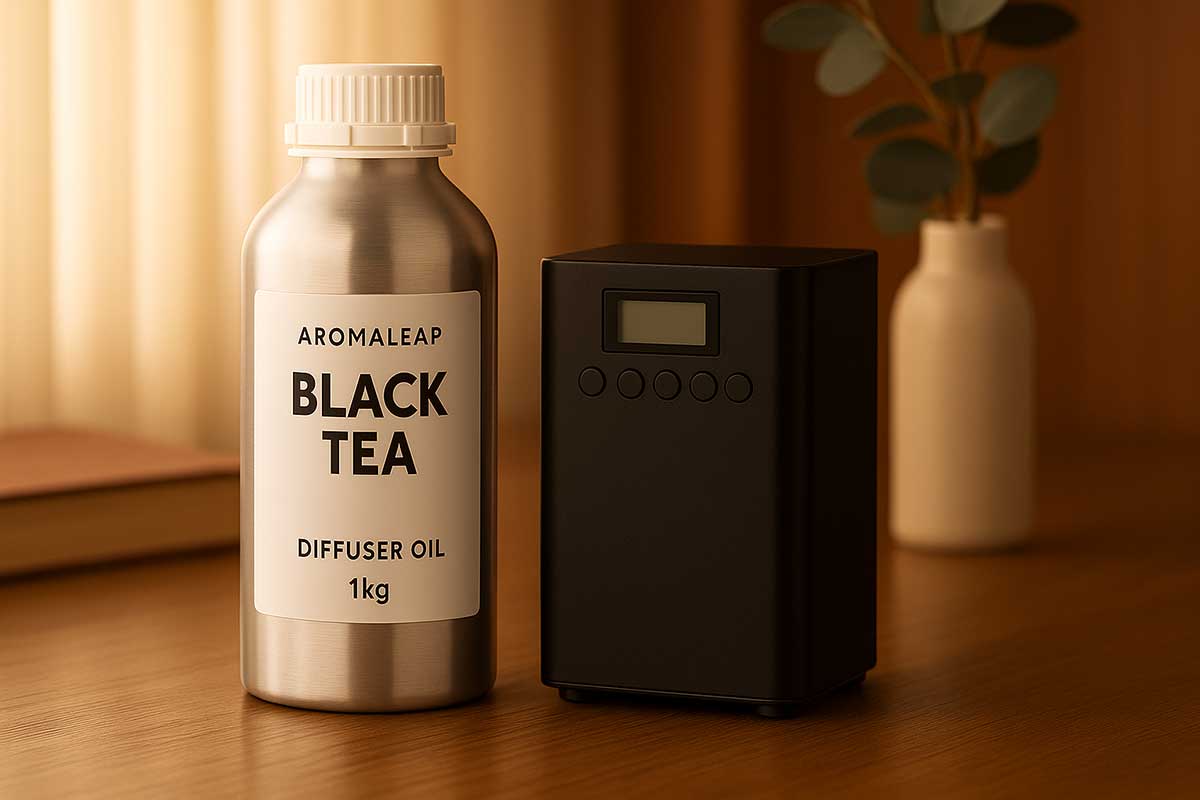
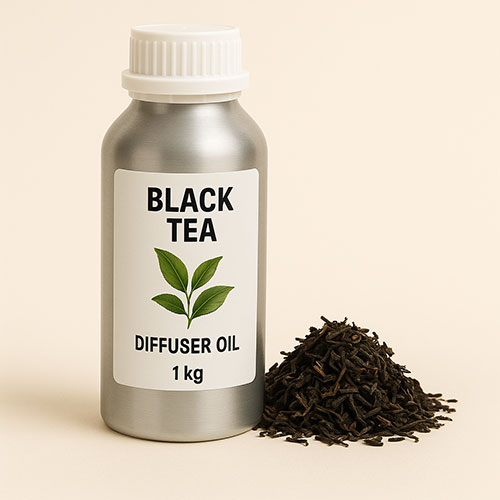
AromaLeap Black Tea diffuser oil beside a commercial direct-oil scent diffuser
Commercial direct-oil scenting example from AromaLeap. The selected fragrance, bottle connection, oil pathway, settings and cleaning requirements should be checked with the exact machine.

Start With the Hardware

Why the Waterless Diffuser Type Changes the Oil Choice

Two products can both be sold as “waterless diffusers” while using different liquid pathways and atomization systems. That is why one universal oil rule is unreliable.

  • Bottle-fed models may depend on a particular bottle neck, cap, straw or connection method.
  • Enclosed cold-air systems can use pumps, hoses, nozzles and internal atomizers with their own liquid requirements.
  • Classic nebulizing diffusers commonly use air-driven atomization and may be designed specifically for pure essential oils.
  • Cartridge or pod systems may intentionally restrict users to a defined refill format.
  • Commercial scenting systems may require a formulation selected for the exact machine, operating schedule and service plan.

AromaLeap's waterless diffuser manufacturer page owns equipment selection. This article owns the compatibility question. Keeping those roles separate avoids keyword cannibalization.

Essential Oil vs. Fragrance Oil

Can You Use Essential Oils or Fragrance Oils?

Possibly—both categories can be used in some waterless systems, but neither category is universally compatible.

Essential Oils

Pure Essential Oil

Some waterless and nebulizing diffusers are designed to atomize neat essential oils. Even then, heavier or more resinous oils can behave differently from lighter oils, so the exact model instructions and sample performance still matter.

Fragrance / Diffuser Oil

Direct-Oil Fragrance Formulations

Many commercial waterless and cold-air scenting systems use fragrance liquids developed or selected for direct-oil atomization. The formulation should be evaluated in the intended equipment rather than treated as interchangeable with every other scent oil.

Do not use “natural vs. synthetic” as the compatibility test. The machine cares about the liquid it must draw, transport and atomize. For sourcing, evaluate the formulation, physical behaviour, intended application and equipment instructions together.

What Changes Performance

Why Viscosity, Residue and the Oil Pathway Matter

Waterless systems put the fragrance liquid in direct contact with components such as bottles, straws, hoses, seals, nozzles or atomizers. The liquid therefore needs to work with the physical system, not only deliver the desired scent.

01

Viscosity

A liquid that is too heavy for a particular feed path may draw slowly, atomize poorly or increase maintenance. The acceptable range is model-specific.

02

Residue

Some formulations leave more residue in bottles, tubing or atomizing parts. Observe build-up during sample testing and follow the machine-approved cleaning method.

03

Material Contact

The liquid may contact plastics, elastomers, metals or glass. Compatibility should be evaluated for the actual components used in the selected model.

04

Operating Settings

Output and consumption are influenced by the diffuser model, operating cycle, oil, placement and environment. One oil may not behave identically across different machines.

Common Compatibility Mistakes

What Should You Avoid Putting in a Waterless Diffuser?

The safest rule is simple: avoid any liquid the equipment supplier has not approved or that you have not validated for the intended machine.

Avoid Assumptions

Topical Carrier-Oil Blends

Products formulated for skin application may contain carrier oils that are too heavy for some fine atomization systems. Do not treat “essential oil blend” as proof of diffuser compatibility.

Avoid DIY Fixes

Homemade Dilution

Adding water, alcohol, solvent or another ingredient to thin an oil can create a new formulation with unknown behaviour. Follow the approved liquid specification instead.

Avoid Guesswork

Unidentified or Unspecified Oil

If the supplier cannot clearly identify the intended application or formulation reference, it becomes difficult to control atomization, maintenance, documentation and repeat orders.

Before Bulk Approval

How to Check Whether an Oil Works With Your Waterless Diffuser

For B2B projects, approve the diffuser and oil as a combination. A disciplined sample process is more useful than relying on a supplier saying that an oil “should work.”

Identify the Exact Diffuser

Record the model, bottle or reservoir system, atomization mechanism, power/control configuration and intended application.

Confirm the Approved Liquid Category

Check whether the diffuser is intended for pure essential oil, direct-oil fragrance formulations, a proprietary refill or another defined liquid type.

Test the Actual Fragrance

Use the exact oil planned for the product program instead of assuming that a similar fragrance or colour will behave the same way.

Observe Start-Up and Output

Check oil draw, atomization, scent output, abnormal noise, leakage and whether the liquid feeds consistently at the intended settings.

Review Residue and Cleaning

Inspect the bottle and accessible oil pathway after use. Confirm the model-approved cleaning procedure and how scent changes should be handled. For the maintenance workflow, see how to clean a waterless diffuser.

Record the Approved Combination

Keep the diffuser model, oil reference, packaging/refill setup, operating settings and approved sample as a repeat-order reference.

Wholesale Buyer Checklist

Oil Compatibility Should Be Part of the Product Specification

For a retailer, distributor, hotel group or private-label brand, the oil decision affects more than fragrance. It can influence customer instructions, refill sales, maintenance, packaging and repeat-order consistency.

  • Exact waterless diffuser model or scent-machine reference
  • Intended oil category and fragrance reference
  • Bottle, cap, straw, hose or cartridge configuration
  • Target market and sales channel
  • Operating settings used during sample evaluation
  • Observed residue and approved cleaning procedure
  • Packaging and refill format
  • Required product-specific documentation to be confirmed
  • Approved sample / formulation reference for repeat orders
  • Change-control process if the diffuser or oil is modified

FAQ

Waterless Diffuser Oil Compatibility FAQ

Can you use any essential oil in a waterless diffuser?

No universal compatibility should be assumed. Some waterless or nebulizing diffusers are designed for pure essential oils, but viscosity, residue and the atomization system can affect performance. Follow the exact model instructions and test the intended oil before bulk approval.

Can you use fragrance oil in a waterless diffuser?

Yes in some systems, but only when the diffuser is designed for a compatible fragrance or diffuser-oil formulation. Commercial cold-air and direct-oil machines may use fragrance liquids that differ from oils intended for ultrasonic, reed or topical applications.

Can you put carrier oil in a waterless diffuser?

Do not assume so. Carrier-oil blends can be too viscous for some fine direct-oil atomizers. Use them only if the exact diffuser supplier explicitly approves that formulation and method.

Can you add water to oil for a waterless diffuser?

Not unless the product instructions specifically require it. A waterless diffuser is normally designed to operate without a separate water tank, and adding water to its oil pathway can create an unapproved liquid mixture.

Can I thin a thick oil with alcohol or another solvent?

Do not improvise a dilution. Adding a solvent changes the formulation and can affect atomization, material compatibility, safety information and cleaning. Use a liquid that has been approved for the intended machine.

Are waterless diffuser oil and essential oil the same thing?

No. Essential oil describes a botanical oil category. “Waterless diffuser oil” describes fragrance liquid being supplied or evaluated for a waterless/direct-oil scenting system. Depending on the machine and product program, that liquid may be an essential-oil product, a fragrance formulation or another approved refill.

Does oil viscosity matter in a waterless diffuser?

It can. A diffuser must draw and atomize the liquid through its specific oil pathway. Heavier liquids or formulations that leave more residue may behave differently, so compatibility should be checked with the actual model and settings.

Is a nebulizing diffuser the same as a waterless diffuser?

A nebulizing diffuser can be one type of waterless diffuser, but the wider waterless category includes other direct-oil designs. Classic nebulizers and enclosed cold-air machines can have different oil requirements, so identify the mechanism before selecting the liquid.

How should a wholesale buyer approve a diffuser and oil combination?

Define the exact diffuser model and intended fragrance, shortlist a few relevant scent directions, test the actual combination, review oil draw and output, observe residue and cleaning, confirm the refill/packaging setup, and keep the approved oil and machine references for production and repeat orders.

Move From Compatibility Research to Sourcing

Match the Diffuser and Oil Before You Approve the Wholesale Program

If you are developing a private-label waterless diffuser, retail refill program, hospitality scenting product or commercial direct-oil system, send AromaLeap the equipment reference and intended fragrance direction so the project can be reviewed around the actual combination.