Essential Oil vs Fragrance Oil for Candles, Diffusers & Soap | AromaLeap

Essential Oil vs Fragrance Oil for Candles, Diffusers & Soap

Wholesale Guide 2026 Edition Candle Making Soap Making Diffusers

Choosing between essential oils and fragrance oils is one of the most impactful decisions you'll make for your scented product line. The right choice affects scent throw, shelf life, cost, and how your customers experience your brand — and the answer isn't the same for every application.

This guide breaks down the differences across the three most common wholesale applications — candles, diffusers, and soap — so you can source with confidence and formulate with precision.

Wholesale buyer's note: AromaLeap supplies both pure essential oils and premium fragrance oils in bulk. Contact our team for custom quotes, MOQ guidance, and application-specific recommendations.

The Basics

What Are Essential Oils & Fragrance Oils?

Before comparing performance, it's important to understand what each oil actually is — because this determines everything from regulatory compliance to how they behave in your formulations.

🌱
100% Natural
Essential Oils

Concentrated plant extracts obtained through steam distillation or cold pressing. They capture the authentic aroma and bioactive compounds of flowers, bark, roots, peels, and leaves. Because they're 100% plant-derived, they carry genuine therapeutic properties and are highly valued for aromatherapy and natural product positioning.

Steam Distilled Cold Pressed Solvent Extracted Aromatherapy Natural & Organic
🧪
Engineered for Performance
Fragrance Oils

Lab-formulated blends of synthetic and/or natural aroma compounds, designed specifically for stability, consistency, and strong scent throw. They can replicate any scent — including ones impossible to extract from nature, like "birthday cake" or "ocean breeze" — and are engineered to hold up under heat and across large production batches.

Heat Stable Batch Consistent Unlimited Scents
Side-by-Side

Essential Oil vs Fragrance Oil: At a Glance

Feature Essential Oil Fragrance Oil
Source 100% plant-derived (flowers, bark, peel, roots) Synthetic + natural aroma compounds, lab-blended
Scent Range Limited to what nature provides (~500 extractable scents) Virtually unlimited — any scent imaginable
Scent Intensity Subtle to moderate; varies by plant & season Strong and consistent across batches
Heat Stability Low to moderate — many volatilise quickly under heat High — engineered for candle & hot process use
Therapeutic Value Yes — antibacterial, anti-inflammatory, calming, etc. None (scent only; no bioactive properties)
Batch Consistency Varies by harvest, region, climate Identical batch to batch
Cost (Wholesale) Higher — especially for florals & exotics Lower — more affordable at scale
Regulatory Natural; check allergen labelling requirements Must comply with fragrance safety standards; check usage rates per category
Shelf Life 1–3 years (varies; citrus oils oxidise faster) 1–2 years; typically more stable in formulations
Best For Diffusers, natural soap, wellness products Candles, scented soaps, room sprays, bath bombs

Source Both from One Trusted Supplier

AromaLeap supplies wholesale essential oils and fragrance oils with full documentation, flexible MOQs, and fast turnaround for manufacturers worldwide.

Get a Wholesale Quote →
Lit soy wax candles with natural botanical styling

Candle making is where the performance gap between essential oils and fragrance oils is most pronounced. When wax melts and heats to 50–80 °C, lighter aromatic molecules evaporate rapidly — which is why so many essential oil candles lose their scent quickly. Fragrance oils are specifically engineered to perform under heat, maintaining scent throw from cold (unlit) all the way through the burn.

🌱 Essential Oils — Pros
Natural, plant-derived — strong "clean candle" marketing angle
Real aromatherapy benefits when inhaled
Popular with wellness and organic product buyers
Works well with cedarwood, patchouli, vetiver (base notes)
⚠️ Essential Oils — Cons
Citrus & floral notes fade rapidly under heat
Weaker cold and hot throw vs fragrance oils
Higher cost — especially for premium florals
Batch-to-batch scent variation from natural harvests
🧪 Fragrance Oils — Pros
Superior hot & cold scent throw — engineered for wax
Consistent from batch to batch at any production scale
Lower cost; wider scent palette (seasonal, novelty, lifestyle)
Pre-tested for flash point & wax compatibility
⚠️ Fragrance Oils — Cons
No therapeutic properties
"Synthetic" label may deter some natural product consumers
Quality varies widely by supplier

🕯️ Candle Verdict

Fragrance oils are the industry standard for candles — used by most luxury and boutique brands due to their superior scent throw and consistency. For a "100% natural" positioning, use essential oils but stick to base-note-heavy blends (cedarwood, vetiver, patchouli, sandalwood) that survive heat. A fragrance load of 6–10% in soy wax and up to 12% in coconut wax is recommended for optimal performance.

Pro tip for EO candles: Anchor volatile top notes (citrus, light florals) with base notes like patchouli or cedarwood. Add essential oils at or below wax pouring temperature (around 55–60 °C) to minimise evaporation before the wax sets.

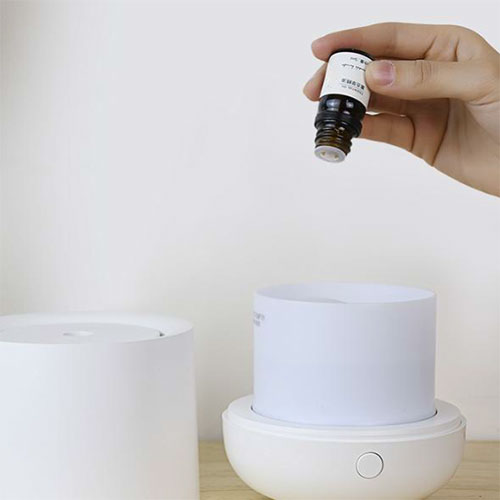
Ultrasonic essential oil diffuser with mist in a serene home setting

Diffusers disperse aromatic molecules into the air through ultrasonic vibration, nebulization, heat, or reeds — without combustion. This is where essential oils truly shine. Their natural volatility means they disperse beautifully and deliver genuine aromatherapy benefits when inhaled. Fragrance oils, by contrast, can contain synthetic compounds that aren't designed for inhalation and may damage ultrasonic diffuser mechanisms over time.

🌱
Essential Oils in Diffusers
EO Ultrasonic diffusers: Ideal. Add 5–15 drops to the water reservoir. Delivers authentic aromatherapy — lavender for calm, eucalyptus for clarity, peppermint for energy.
EO Nebulizing diffusers: Best suited for pure essential oils — no water, no dilution. Produces the strongest, most concentrated therapeutic scent.
EO Reed diffusers: Blend with a carrier oil (e.g. fractionated coconut, DPG). EO longevity is shorter than FO but provides a clean, natural result.
🧪
Fragrance Oils in Diffusers
FO Ultrasonic diffusers: Use with caution. Many fragrance oils contain fixatives or synthetic compounds that can clog or corrode diffuser components. Only use FOs labelled "diffuser-safe."
FO Reed diffusers: Works well here. Fragrance oils diluted in DPG (dipropylene glycol) wick efficiently through reeds and maintain a longer, more consistent scent.
FO Car/room diffusers: A good application for FOs — wider scent palette, longer-lasting, lower cost per unit. No therapeutic claims should be made.

💨 Diffuser Verdict

Essential oils are the recommended choice for ultrasonic and nebulizing diffusers. Their natural volatility enables clean, safe dispersion with genuine aromatherapy benefits. Fragrance oils are better suited to reed diffusers and passive room diffusers, where their stronger scent longevity is an advantage. Never use standard fragrance oils in electronic diffusers unless they are specifically formulated and labelled as diffuser-safe.

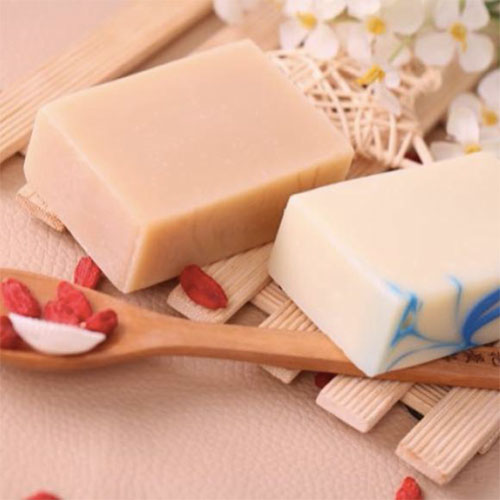
Handcrafted natural soap bars with herbs and essential oils on rustic wood

Cold process soap making creates a challenging environment for fragrance: the saponification reaction generates heat (up to 70 °C) and a highly alkaline pH (9–11). Delicate top-note essential oils — citrus, light florals, mint — frequently fade or vanish entirely during this process or the 4–6 week cure. Fragrance oils formulated for cold process soap are tested for this exact environment and hold much more reliably.

01

Anchor Volatile Essential Oils with Base Notes

Citrus oils (lemon, sweet orange, grapefruit) and light florals (lavender, chamomile) tend to fade in cold process soap. Blend them with base notes — patchouli, vetiver, cedarwood, sandalwood — to anchor the scent and extend longevity through the cure period.

02

Use Kaolin Clay as a Natural Scent Fixative

Pre-mixing your essential oils into kaolin clay for at least one hour before adding to batter helps the clay absorb and slowly release the scent throughout the bar's life. This technique significantly improves retention for volatile top notes.

03

Respect Usage Rates — Typically 0.8 oz per lb of Soap

For a strong, lasting scent in cold process soap, aim for around 0.8 oz (approximately 22 g) of fragrance or essential oil per pound of oils in your recipe. Exceeding this can cause acceleration (soap seizing) or skin sensitisation.

04

Choose Fragrance Oils Tested for Cold Process

Not all fragrance oils behave well in high-pH environments — some cause ricing, seizing, or discolouration. Always select fragrance oils that have been tested and rated for cold process soap. Reputable suppliers like AromaLeap provide full usage guidance per SKU.

05

Cure and Store Properly to Lock in Scent

Cure soap in a cool, dark, well-ventilated space. Keep finished bars individually wrapped in biodegradable shrink wrap and store scents in separate containers — soap acts as a scent sponge and will absorb surrounding aromas during storage.

🧼 Soap Verdict

Both work — but fragrance oils are more reliable for consistent commercial soap production. For a "natural" or "organic" bar, use essential oils but focus on robust base and middle notes. For scent-forward, high-volume, or novelty soap lines, fragrance oils tested for cold process will give you consistent results at a lower cost per bar. For the best of both worlds, blend a small amount of essential oils into a fragrance oil base.

Decision Framework

How to Choose: A Quick Reference

Application Recommended Choice Why Notes
🕯️ Candles Fragrance Oil Superior hot/cold scent throw; heat stable; consistent batches Use EOs if "natural" positioning is key — stick to base notes
💧 Ultrasonic Diffusers Essential Oil Naturally volatile; safe for inhalation; genuine therapeutic value FOs can damage diffuser mechanisms — only use if labelled diffuser-safe
🌾 Reed Diffusers Fragrance Oil Longer scent longevity; better wicking performance; lower cost Dilute in DPG at 20–30%; EOs work but fade faster
🧴 Natural / Organic Soap Essential Oil True "natural" label claim; therapeutic skin benefits Choose base/middle notes; anchor citrus with patchouli or cedarwood
🧼 Commercial Soap Fragrance Oil Tested for cold process; consistent scent; lower cost at scale Always verify CP-tested rating from supplier
🛁 Bath Bombs & Salts Fragrance Oil Stronger throw in water; more stable against fizzing reaction EOs work at higher usage rates; check skin safety limits
💆 Aromatherapy Products Essential Oil Only EOs carry genuine therapeutic properties; FOs are scent-only Cannot make wellness claims with fragrance oils
🏷️ Private Label / Blended Both Blend EOs for authenticity + FOs for performance and cost control Disclose clearly on label per regional cosmetics regulations

The Bottom Line for Wholesale Buyers

Essential oils and fragrance oils aren't competitors — they're complementary tools. Essential oils win in diffusers and natural product positioning. Fragrance oils win in candles, reed diffusers, and high-volume soap production. The most successful wholesale product lines use both strategically, matching the right oil to the right application.

When sourcing at wholesale scale, prioritise suppliers who provide full application guidance and batch consistency — not just price. The quality of your oil is the foundation of every product you sell.

Ready to source? AromaLeap supplies both essential oils and fragrance oils in wholesale quantities, with full documentation and application-matched guidance. Request a custom quote — our team responds within 24 hours.