
White tea diffuser oil is a clean, airy fragrance blend widely used by hotels, spas, retailers, offices, and private-label home-fragrance brands. For commercial scenting, buyers normally need a formula designed for stable diffusion, consistent batch quality, and compatibility with the intended scenting system.
For B2B sourcing, the important question is not simply which oil smells better. Buyers must determine whether a product is a diffuser fragrance oil, a true botanical essential oil, or an essential-oil-style fragrance blend. The correct choice depends on the application, required documentation, target market, diffuser equipment, and expected order volume.
Important terminology: Products marketed as “white tea essential oil” are often fragrance blends or essential-oil-inspired blends rather than a standard single botanical essential oil distilled from white tea leaves. Before ordering, ask the supplier to confirm the composition, recommended application, diffuser compatibility, and available SDS, COA, and IFRA documentation.
AromaLeap supports B2B buyers through its fragrance oil manufacturing, custom fragrance development, and commercial waterless diffuser services.
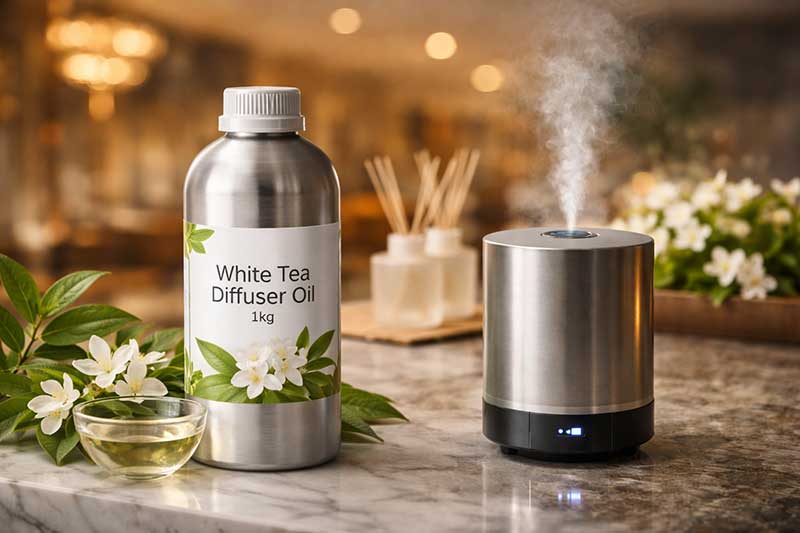
White tea diffuser oil is a professionally blended fragrance designed specifically for perfuming spaces. Unlike single-ingredient oils, diffuser blends are optimized for diffusion systems—whether that’s an HVAC scent machine, an electric diffuser or a reed diffuser—so that the scent travels well, fills a room evenly, and maintains a stable character over time. For brands, this means a reliable, consistent white tea aroma day after day, across multiple locations.
Because performance and scalability matter so much in commercial environments, many companies purchase diffuser oil wholesale or order diffuser oil in bulk to ensure consistent supply and pricing. A well-formulated white tea diffuser oil delivers a polished, hotel‑like atmosphere that guests immediately associate with comfort and quality. For larger buyers, it also solves practical problems: less trial and error, fewer complaints about weak or uneven fragrance, and a smoother rollout across all branches or properties.
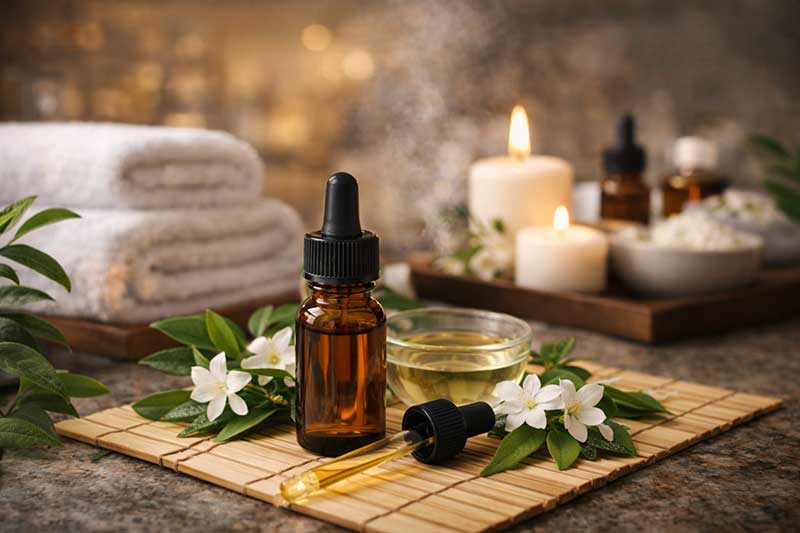
In many commercial fragrance catalogs, “white tea essential oil” is a marketing term for a white-tea-style aromatic blend. The formula may contain natural aromatic materials, selected essential oils, and fragrance ingredients, but buyers should not automatically assume that it is a single steam-distilled essential oil made from white tea leaves.
This distinction matters because ambient scenting, candles, reed diffusers, personal care products, and skin-contact products require different formulations and safety assessments. Before product development or label printing, ask the manufacturer to identify whether the material is a fragrance oil, essential oil blend, natural fragrance, or cosmetic-grade aromatic blend.
For hotels, retail stores, offices, and other large spaces, white tea diffuser oil is usually the more practical choice when it has been formulated and tested for the buyer’s specific waterless or HVAC scent system. For cosmetics, massage oils, or spa products, request a separate skin-contact formulation with the appropriate safety and regulatory documentation.
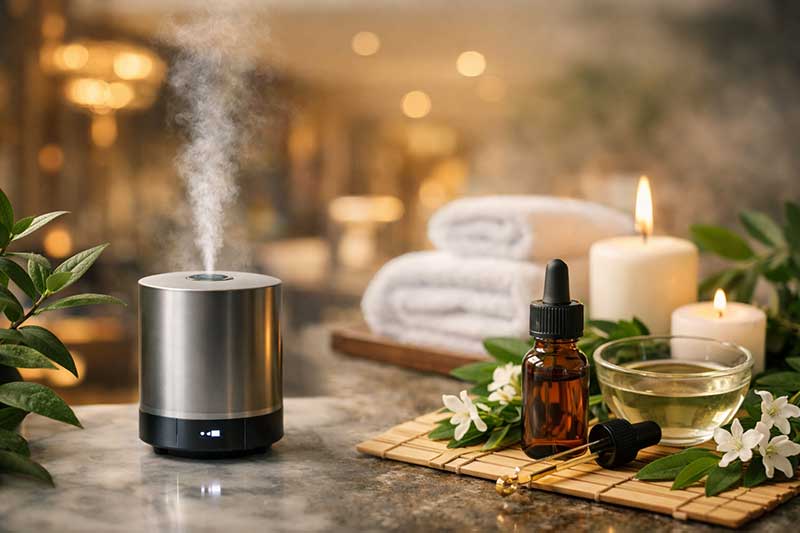
When comparing white tea diffuser oil vs white tea essential oil, the real question is not which is better, but where each one works best. For large, open spaces—hotel lobbies, corridors, retail floors, corporate reception areas—white tea diffuser oil is usually the smarter choice. It is designed to move through the air efficiently, maintain a consistent intensity, and support centralized systems that can be scaled from a single flagship location to a global network of sites.
White tea essential oil, on the other hand, is ideal when the experience becomes more intimate. In treatment rooms, wellness corners, or premium product lines, essential oil allows therapists and product formulators to create tactile, close‑up experiences that feel personal and refined. Many of the most successful brands don’t choose one over the other; they strategically combine both. Diffuser oil establishes the overall white tea ambience, while essential oil deepens the connection through skin-contact products and rituals, turning a pleasant scent into a complete, branded sensory journey.
| Buyer Question | White Tea Diffuser Oil | Product Sold as “White Tea Essential Oil” |
|---|---|---|
| Typical product type | Application-specific fragrance blend for scent diffusion | Often an aromatic blend; exact composition must be confirmed |
| Primary B2B use | Hotels, stores, offices, spas, showrooms, and commercial scenting | Depends on formulation and approved application |
| Equipment compatibility | Confirm compatibility with waterless, HVAC, reed, or other diffuser systems | Do not assume suitability for commercial scent machines |
| Documents to request | SDS, COA, IFRA information, specifications, and usage guidance | Composition category, SDS, COA, IFRA information, and skin-contact suitability when relevant |
| Customization options | Scent profile, strength, diffuser performance, packaging, and private labeling | Formula and permitted applications must be customized separately |
| Main purchasing risk | Ordering an oil that is incompatible with the buyer’s diffuser system | Making inaccurate natural, essential-oil, or skin-contact claims |
Buyer tip: Always test samples in the intended diffuser or finished product before approving a bulk order.
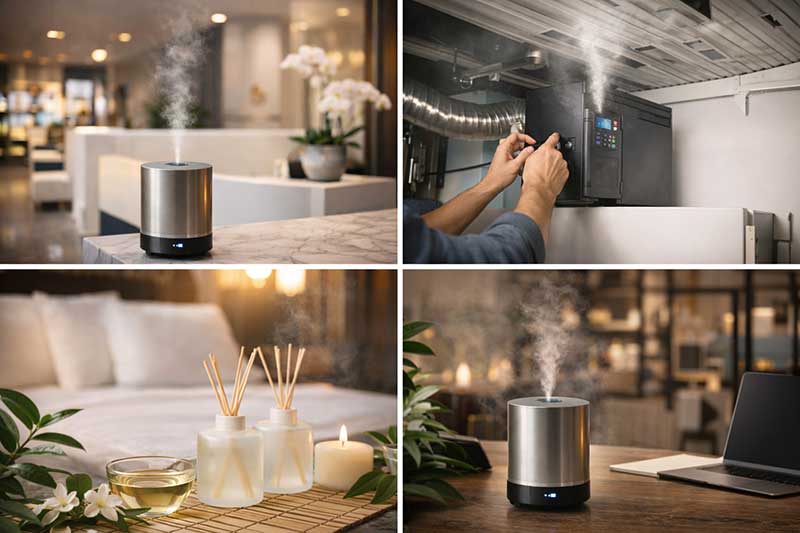
Using white tea diffuser oil in a professional setting is all about control and consistency. For lobby or store environments, most brands rely on electric or HVAC-connected diffusers, setting a schedule so the scent remains noticeable but never overwhelming throughout the day. This structured approach to how to use diffuser oil ensures that every guest walking in at any time encounters the same welcoming white tea ambience.
For guest rooms, smaller offices or boutique spaces, reed diffusers and compact electronic devices are popular choices. Here, the key is to start with a moderate intensity, monitor feedback from staff and guests, and adjust the diffusion time or concentration as needed. When brands purchase diffuser oil in bulk, they can standardize one white tea profile across multiple sites while benefiting from better cost per milliliter and simplified ordering for their operations teams
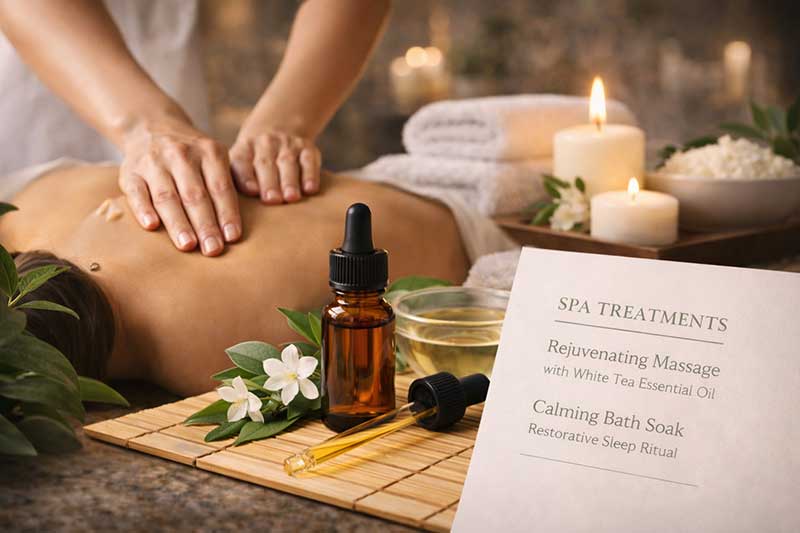
The white tea essential oil benefits go beyond aroma; they support a complete wellness and lifestyle narrative. White tea notes are often associated with calm, clarity and understated luxury, which makes them ideal for spa treatments, sleep rituals, and mindfulness-focused offerings. When therapists use white tea essential oil in massage blends or bath soaks (always properly diluted), the experience feels softer and more refined than heavier, more traditional aromatherapy oils.
From a branding perspective, listing “white tea essential oil” on packaging, menus and marketing materials reinforces a clean, contemporary image. It signals that the brand has chosen a gentle, sophisticated direction rather than something loud or trendy. For corporate wellness programs and high-end hospitality, this kind of fragrance choice tells guests and employees that the company values subtle, intentional details—an impression that can carry over to how they view the overall brand quality.
For larger buyers, working directly with a manufacturer for diffuser oil wholesale and essential oils is a strategic decision, not just a purchasing shortcut. Direct sourcing allows hotel groups, retailers and corporate clients to secure consistent quality, batch after batch, instead of relying on fragmented supplies from multiple resellers. It also opens the door to custom adjustments—fine-tuning the white tea profile with touches of citrus, floral, or herbal notes to match an existing brand identity.
Ordering diffuser oil in bulk and white tea essential oil from a manufacturer also stabilizes costs and simplifies logistics. Procurement teams can plan long-term scent rollouts, knowing that the same fragrance and performance will be available for new locations and seasonal campaigns. In collaborations with larger companies, manufacturers can provide technical support on diffusion systems, recommended usage rates, and safety documentation, which is critical for scaling scent marketing across many sites and regulatory environments
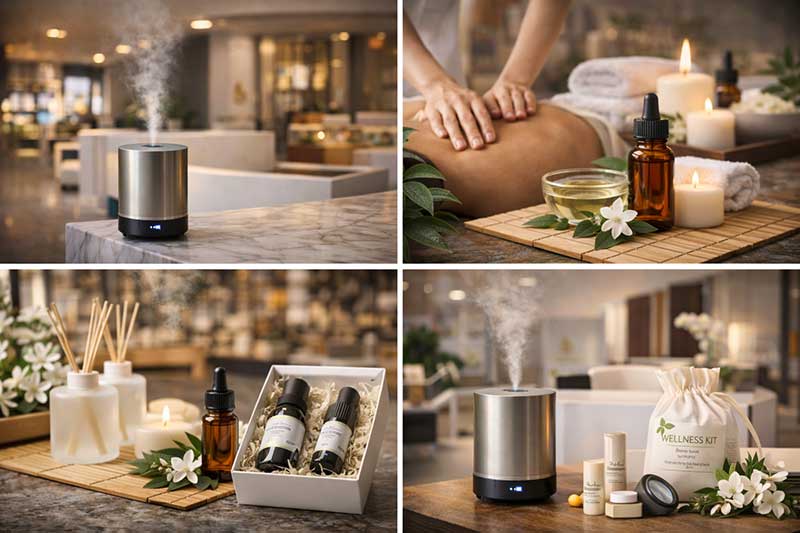
One effective scenario is a hotel group using white tea diffuser oil in lobbies, corridors and meeting spaces, while using white tea essential oil in spa treatments and amenity products. Guests first encounter the signature white tea scent as an atmospheric cue when they walk in, then rediscover it during a massage or when using a branded bath oil in their room. This layered approach reinforces memory and recognition, turning scent into a subtle but powerful part of the brand.
Retail brands can take a similar path by diffusing white tea in flagship stores and incorporating white tea essential oil into limited-edition wellness sets or loyalty gifts. Corporate offices can deploy diffuser oil in reception and key communal areas, while gifting essential-oil-based roll-ons or pillow sprays during employee wellness initiatives. In each case, the combination of ambient diffuser oil and close-contact essential oil transforms fragrance from a simple “nice extra” into a coherent, ownable brand asset
For procurement teams and brand managers, the most effective next step is to experience the difference between white tea diffuser oil and white tea essential oil firsthand. Requesting professional samples allows marketing, operations and wellness teams to test diffusion in real spaces, evaluate staff and customer reactions, and explore how white tea might anchor both ambient scenting and product development.
Large buyers considering diffuser oil wholesale or diffuser oil in bulk can then map out a full scent strategy: which zones need consistent, automated diffusion, and which touchpoints would benefit from the more intimate, story-rich feel of white tea essential oil. With a coordinated plan and a manufacturing partner capable of supporting scale, white tea becomes more than a fragrance—it becomes a signature, repeatable experience that strengthens recognition and loyalty across every location and channel
Tell us your diffuser type, target market, preferred white tea scent direction, estimated order quantity, and packaging requirements. AromaLeap can support sample testing, bulk diffuser oil supply, custom fragrance development, private labeling, and supporting B2B documentation for qualified projects.
AromaLeap is based in China and was founded in 2010. It is engaged in the professional design and manufacturing of essential oils, fragrance oils, and diffusers. With ISO certifications and two subsidiaries, our focus is on eco-friendly, long-lasting products.